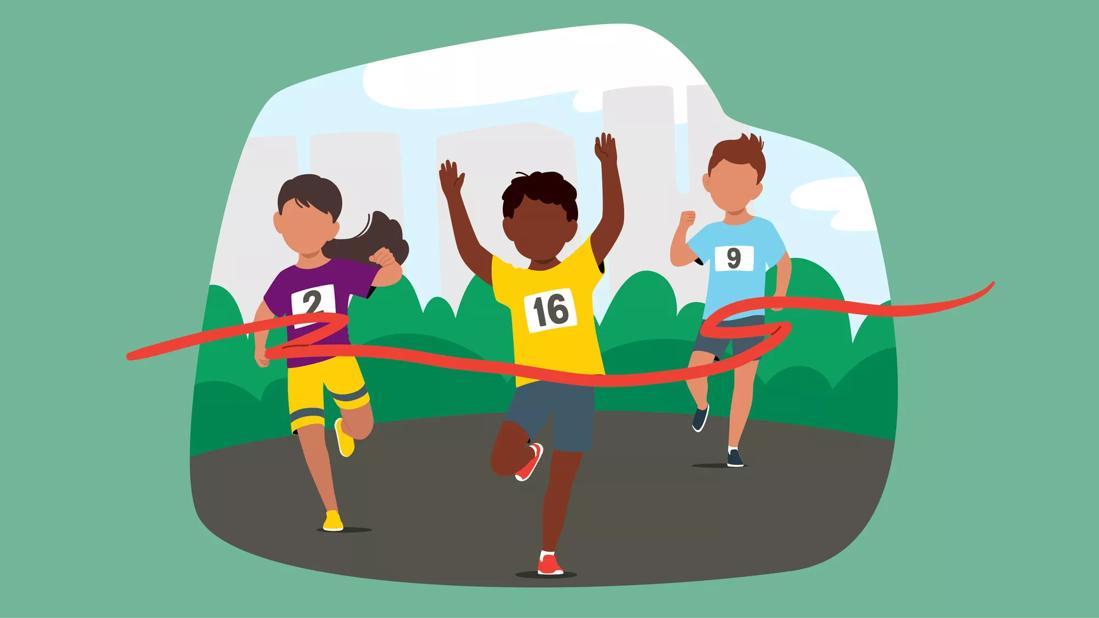
At some point, many parents watch their child sprint across the yard, chase the dog, dodge three toys, and somehow still have enough energy to ask for snacks. Naturally, the thought appears: Could this kid run a race? The answer is usually yesbut with a big, parent-shaped asterisk. Children can enjoy running events at surprisingly young ages, but the distance, structure, pressure level, training plan, weather, and the child’s enthusiasm all matter more than the number of candles on the birthday cake.
So, how young is too young to run a race? A preschooler may be perfectly fine in a short dash or playful fun run. An elementary-school child may enjoy a half-mile or one-mile event. Many tweens can safely try a 5K if they want to, and teenagers may gradually work toward longer distances. But a child is too young for a race when the event is longer than their body is ready for, when training becomes stressful, when pain appears, or when the dream belongs more to the parent than the runner. Tiny running shoes are cute; overtraining is not.
The Short Answer: Kids Can Race, But the Race Must Fit the Kid
Running is one of the simplest sports for children. It does not require a fancy field, expensive equipment, or a family van full of gear. A safe pair of shoes, a reasonable surface, good weather, water, and supervision are usually enough. Running can improve cardiovascular fitness, coordination, confidence, mental focus, and social connection. For many kids, a race is less about competition and more about the thrill of getting a bib number, hearing people cheer, and discovering that finish-line snacks are basically a food group.
The challenge is that children are not miniature adults. Their bones, muscles, tendons, coordination, heat tolerance, emotional maturity, and attention span are still developing. A race that feels easy and festive for one child may feel overwhelming to another child the same age. That is why the best youth running guidelines are flexible. They give families a safe starting point, but they still leave room for common sense.
A good rule: the younger the child, the shorter and more playful the event should be. Racing should feel like a celebration, not a tiny job interview with sweat.
Age-by-Age Guide: What Race Distance Makes Sense?
No age chart is perfect, but general guidelines help parents choose events wisely. The goal is not to see how far a child can go once. The goal is to help them enjoy running enough to keep moving for years.
Ages 4 and Under: Keep It to Dashes and Games
For toddlers and preschoolers, running should look like play. Think short dashes, obstacle games, parent-child trots, or a few hundred yards at most. At this age, children are still developing balance, rhythm, listening skills, and basic body awareness. A “race” should not involve pacing strategy, lap counting, or a parent whispering, “Negative split, buddy.” That is how you get a confused child and a suspicious grandparent.
Look for events labeled “diaper dash,” “tot trot,” “kids dash,” or “family fun run.” The distance should be short enough that walking, stopping, waving, or suddenly inspecting a leaf does not ruin the day. For very young children, success means they moved, smiled, and did not associate running with pressure.
Ages 5 to 7: Fun Runs Are the Sweet Spot
Children around kindergarten and early elementary age can often handle short fun runs, usually around a half-mile to one mile, especially when walking is welcome. Some may enjoy one to two miles in a relaxed event, but the emphasis should stay on comfort and fun. This is not the time for a stopwatch obsession. If the child finishes with a grin and asks when the next race is, that is a better result than any pace chart.
Training for this age group should be light and playful. One or two days of short running per week may be plenty, mixed with normal active play such as biking, swimming, playground time, soccer, tag, or backyard adventures. Children in this age range need recovery because growing bodies are busy doing important construction work. Apparently, bones do not build themselves between spelling homework and chicken nuggets without some downtime.
Ages 8 to 12: A 5K May Be Reasonable for Interested Kids
Many children in the 8-to-12 range can enjoy a 5K, which is 3.1 miles, if they are interested, healthy, and gradually prepared. The key word is interested. A child who asks to do a 5K, practices without pain, and is allowed to use a run-walk strategy is very different from a child who is dragged to the start line because an adult wants a family fitness photo.
At this age, training can become a little more structured, but it should still be simple. Two or three short sessions per week may be enough for a first 5K. A typical beginner approach might include alternating running and walking, slowly increasing total time on feet, and keeping the pace conversational. If the child cannot talk while running, they are probably pushing too hard.
Parents should also remember that many 8-to-12-year-olds are in different stages of growth. Two children in the same grade can have very different strength, endurance, coordination, and motivation. The best comparison is not with classmates or siblings; it is with the child’s own comfort, recovery, and joy.
Ages 13 to 15: Longer Races Require More Caution
Young teens may be ready for more structured running, especially if they participate in cross-country, track, or another endurance sport. Some teens in this age range can safely consider a 10K or even a half marathon with proper preparation, but longer distances should not be rushed. Puberty, growth spurts, school stress, sleep schedules, nutrition, and injury history all affect readiness.
For early teens, the biggest mistake is often doing too much too soon. A motivated 14-year-old may feel invincible on Monday and then discover by Friday that shins, knees, and heels have filed a formal complaint. Training should increase gradually, include rest days, and avoid year-round single-sport intensity. A teen runner should also have access to an adult who understands youth training, not just someone who once ran a turkey trot in 2009 and still tells the story at Thanksgiving.
Ages 16 to 18: Marathons Are Possible, But Not Automatically Wise
Older teens may be physically capable of preparing for a marathon, but capability does not automatically equal readiness. A marathon is 26.2 miles, and training for it requires months of consistent mileage, sleep, fueling, hydration, recovery, and emotional maturity. Some major marathons require runners to be at least 18, while others allow younger teens with restrictions or parental consent. Families should always check the specific race rules before signing up.
Even when a marathon allows a younger runner, parents should ask bigger questions: Does the teen truly want this? Have they already handled shorter distances well? Are they injury-free? Are they eating enough? Are they sleeping enough? Do they understand pacing and recovery? Can they stop if something hurts, even if social media was promised a finish-line picture? If the answer is no, the marathon can wait. The road will still be there next year, looking exactly as long.
Suggested Race Distances by Age
| Age Group | Best Race Type | General Distance Range | Main Goal |
|---|---|---|---|
| 4 and under | Dash, tot trot, running games | A few yards to 400 meters | Movement, laughter, confidence |
| 5 to 7 | Kids fun run | Half-mile to 1 mile; sometimes up to 2 miles if relaxed | Comfortable pacing and fun |
| 8 to 12 | Fun run or beginner 5K | 1 mile to 5K | Run-walk confidence and safe finish |
| 13 to 15 | 5K, 10K, cautious longer events | 5K to 10K; half marathon only with preparation | Gradual training and recovery habits |
| 16 to 18 | 10K, half marathon, marathon with caution | Varies by maturity, training, and race rules | Long-term health, not one-time glory |
Why Age Alone Does Not Tell the Whole Story
Age is a useful starting point, but it is not the full answer. A healthy, active 10-year-old who plays soccer, sleeps well, eats enough, and wants to run a 5K may be ready. A different 10-year-old who dislikes running, has heel pain, and only signed up because a parent clicked “register” during a burst of New Year motivation may not be ready at all.
Readiness includes physical, emotional, and practical factors. Physically, the child should be able to complete the distance at an easy pace without pain. Emotionally, they should understand the event and want to participate. Practically, the family should be able to support training with rest, hydration, weather awareness, and realistic expectations.
The most important signal is pain. Children should not train or race through pain that changes their stride, causes limping, gets worse during activity, continues after rest, or appears during normal walking. Pain is not a character-building side quest. It is information.
The Real Concern: Too Much, Too Soon
Running itself is not the villain. The problem is usually sudden increases in distance, intensity, frequency, or pressure. Young athletes are more vulnerable to overuse injuries because their bodies are still growing. Bones may lengthen faster than muscles and tendons adapt, which can increase stress around growth plates, heels, knees, shins, and feet.
Common running-related concerns in children and teens include shin splints, runner’s knee, heel pain such as Sever’s disease, tendon irritation, plantar fascia pain, and stress fractures. These issues are more likely when kids train too often, run too far, increase mileage too quickly, wear poor shoes, skip rest, run on hard or uneven surfaces, or specialize in one sport all year without a break.
Parents should watch for warning signs: pain during or after running, swelling, stiffness, limping, unusual fatigue, declining performance, moodiness, sleep changes, or a sudden loss of interest. Sometimes children do not report discomfort because they fear being pulled from the race. That is why parents need to observe behavior, not just ask, “Are you fine?” Many kids will say “fine” while walking like a pirate with a pebble in his boot.
How Much Should a Child Train?
For young runners, training should be gradual, varied, and age-appropriate. The goal is to build a durable, happy athlete, not a small exhausted adult with a race calendar. Kids should have at least one complete rest day each week, and many younger children need more. Running days should be balanced with other activities that develop strength, balance, coordination, and flexibility.
A helpful beginner principle is to avoid increasing workload too quickly. Workload includes distance, pace, hills, speed sessions, race frequency, and total weekly activity. A child who adds longer runs, harder workouts, and a weekend race all at once is stacking stress like a wobbly tower of pancakes. Something will eventually slide.
For many children under 14, running three days per week or less is enough if they are training for a short race. Older teens may handle more days, but only if they recover well and remain healthy. Training should include easy days, warm-ups, cool-downs, stretching or mobility, and strength work appropriate for age. Most children do not need intense speed workouts to finish a fun run or first 5K. They need consistency, patience, and adults who can resist turning every sidewalk jog into the Olympic Trials.
Signs Your Child Is Ready for a Race
A child may be ready for a race when they show genuine interest, can comfortably run or run-walk a similar distance in practice, recover normally afterward, and understand that walking is allowed. They should also be able to follow basic instructions, stay with a parent or group when needed, drink water, and tell an adult if something hurts.
For a first race, choose an event that welcomes children, offers a short distance, has good safety support, provides water, and does not create a high-pressure atmosphere. Local charity 5Ks, school fun runs, community races, and youth-specific events are often better starting points than massive crowded races. Smaller events are less intimidating, easier to navigate, and more forgiving when a child suddenly decides the best pre-race strategy is tying and retying one shoe for seven minutes.
When a Child Should Not Race
A child should skip or postpone a race if they are injured, sick, exhausted, unusually anxious, or not interested. They should also avoid racing in extreme heat, poor air quality, unsafe course conditions, or events without appropriate supervision. Children who have chronic medical conditions, a history of fainting, chest pain, breathing problems, eating concerns, repeated injuries, or significant growth-related pain should check with a pediatrician or sports medicine professional before training for longer races.
Parents should also be careful with children who are perfectionistic or highly pressure-sensitive. Some kids love competition; others absorb it like a sponge and squeeze out stress. If a child becomes upset about pace, placement, or performance, it may be time to step back and rebuild running as play.
Race-Day Tips for Young Runners
On race day, keep everything simple. Choose comfortable clothing that has already been tested. Do not introduce brand-new shoes, mystery energy gels, or a breakfast experiment called “Dad’s Power Oat Surprise.” Young runners do best with familiar foods, enough water, good sleep, and a calm adult nearby.
Arrive early so the child can use the bathroom, warm up gently, and understand where the start and finish are. If the event is crowded, decide whether an adult will run alongside the child. Review basic safety rules: stay on the course, listen to volunteers, slow down if needed, drink when thirsty, and tell an adult about pain, dizziness, nausea, or breathing trouble.
During the race, encourage an easy start. Kids often bolt from the line like someone announced free pizza at the finish. That early excitement is adorable, but it can lead to a dramatic slowdown three minutes later. A run-walk approach is perfectly acceptable, especially for first races. The finish should feel like an achievement, not a survival documentary.
What About Heat, Hydration, and Weather?
Weather matters more for children than many adults realize. Young kids may not cool themselves as efficiently as teens or adults, and they may not recognize early signs of heat illness. Hot and humid days require extra caution. Race directors and parents should watch temperature, humidity, shade, start time, water availability, and the child’s behavior.
Hydration should begin before the race, not during a frantic parking-lot speech five minutes before the start. Children should have access to water and be encouraged to drink when thirsty. In hot weather, short events, shaded routes, early start times, water breaks, and lower intensity are smart. If a child becomes dizzy, confused, chilled despite heat, nauseated, unusually tired, or stops sweating, treat it seriously and seek medical help.
How Parents Can Keep Running Fun
The best thing parents can do is protect the joy. Praise effort, courage, pacing, kindness, and listening to the body. Avoid making every conversation about time, ranking, or future potential. A child who learns that running is a healthy, flexible, lifelong activity wins more than a child who collects medals for three years and burns out before high school.
Let children choose some of their running goals. Maybe they want to run with a friend, wear a silly costume, raise money for a cause, or beat their own previous time. Maybe they only want the pancake breakfast after the race. Honestly, many adults are motivated by the same thing, and society continues to function.
Parent and Runner Experiences: What Families Often Learn the Hard Way
Many families discover that a child’s first race is less about athletic performance and more about logistics, emotions, and snack timing. A parent may imagine a heroic finish-line moment, only to spend the morning searching for safety pins, negotiating over socks, and explaining why cotton hoodies are not ideal for running in July. This is normal. Youth racing is a family adventure, and sometimes the adventure begins with someone crying because the race shirt is “too blue.”
One common experience is the surprise burst at the start. Young runners often sprint the first 200 yards with pure superhero confidence. Then reality arrives, wearing running shoes. Parents can help by practicing pacing before race day. A simple phrase like “start slow, finish smiling” works better than a complicated lecture on aerobic efficiency. Children understand feelings more than formulas. If they can talk while running, they are probably moving at a sustainable pace.
Another lesson is that walking breaks are not failure. In fact, run-walk intervals can be the smartest strategy for new runners. A child who runs two minutes and walks one minute may finish happier and stronger than a child who tries to run nonstop, gets discouraged, and spends the final mile questioning the family’s life choices. Teach kids that smart runners adjust. Walking is a tool, not a defeat.
Parents also learn that comparison can steal the fun quickly. One child may finish a 5K in 24 minutes while another takes 45 minutes and stops to pet three dogs. Both can have a great race. The goal for most young runners should be personal progress, safe effort, and enjoyment. If a child asks, “Did I do good?” the best answer is not a data report. It is, “You listened to your body, kept going, and finished strong.” Then maybe add, “And your shoelaces stayed tied, which is more than some adults can claim.”
In families with multiple children, readiness can vary dramatically. An older sibling may love racing while a younger sibling prefers cheering, volunteering, or doing the kids dash. That is perfectly fine. Forcing equal participation can backfire. A child who is allowed to choose may eventually become curious. A child who is pressured may decide running is just homework with sweat.
Many experienced parents recommend choosing the first event carefully. A small community race with a friendly atmosphere is often better than a huge event with crowds, loud speakers, complicated parking, and long waits. Look for races with youth divisions, clear course markings, medical support, accessible bathrooms, and a forgiving attitude toward walking. Bonus points if the race has medals for kids, because a shiny medal can turn a normal Saturday into a legendary family story.
The post-race conversation matters too. Instead of asking only, “What was your time?” try asking, “What was your favorite part?” “Did anything hurt?” “Would you do it again?” “What would you change next time?” These questions teach reflection, body awareness, and ownership. They also reveal whether the child is excited or quietly relieved it is over.
Finally, families learn that running can become a beautiful shared ritual when handled gently. Weekend jogs, school fun runs, charity 5Ks, and neighborhood walks can build confidence and connection. The best youth racing memories are rarely about finishing position. They are about muddy shoes, proud smiles, high-fives from strangers, silly race photos, and the moment a child realizes, “My body can do hard things.” That lesson is worth far more than any plastic trophy.
Conclusion: So, How Young Is Too Young?
A child is not automatically too young to run a race just because they are small. Children can safely enjoy running when the distance is age-appropriate, the pace is comfortable, the training is gradual, and the experience stays positive. Very young kids should stick with short dashes and playful events. Elementary-age children do best with fun runs and, for some, beginner 5Ks. Teens may progress to longer races, but only with maturity, recovery, and genuine motivation.
The real question is not, “Can my child finish this race?” It is, “Will this race help my child build a healthy relationship with movement?” If the answer is yes, lace up, cheer loudly, and bring snacks. If the answer is no, choose a shorter event, wait a season, or go play tag in the park. Running will wait. Childhood should not have to sprint.