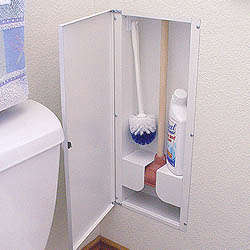
Every bathroom has a secret. Some secrets are elegant, like heated floors or a perfectly folded stack of guest towels. Others are less glamorous, like the toilet plunger sitting in the corner like it has been grounded for bad behavior. The Hy-dit Toilet Plunger Storage Cabinet was designed for exactly that problem: keeping necessary bathroom cleaning tools close enough for emergencies, but hidden well enough that guests do not have to make awkward eye contact with them.
At its simplest, Hy-dit is a recessed in-wall bathroom storage cabinet made to hold a toilet plunger, toilet brush, and small cleaning supplies. But its real appeal is bigger than storage. It solves a design problem, a hygiene problem, and a social problem all at once. Nobody wants to display a plunger next to the toilet like a decorative sculpture. Nobody wants to dig through the garage when a clog appears. And absolutely nobody wants a guest to whisper, “Do you have a plunger?” during dinner.
This article takes a practical, in-depth look at the Hy-dit toilet plunger storage cabinet: what it is, how it works, where it fits best, what to know before installation, and why this humble hidden cabinet might be one of the smartest small-bathroom upgrades you have never considered.
What Is the Hy-dit Toilet Plunger Storage Cabinet?
The Hy-dit Toilet Plunger Storage Cabinet is a recessed bathroom cabinet built specifically to hide toilet cleaning tools inside the wall. Instead of placing a plunger and bowl brush in an open floor caddy, the unit mounts between wall studs and sits nearly flush with the wall surface. The front looks like a small cabinet door, often with a raised-panel design and a wood-grain-style texture that can be painted or stained to blend with existing bathroom cabinetry or trim.
The typical Hy-dit setup includes a cabinet body, a door, a toilet plunger, a toilet brush, mounting hardware, and a removable drip tray or reservoir. Many versions also include a small shelf for toilet bowl cleaner, deodorizer, or other compact bathroom cleaning products. The idea is refreshingly simple: put the ugly-but-essential tools where they belong, then close the door on the whole situation.
Why This Product Exists
Bathroom storage has always had a hierarchy. Towels get pretty shelves. Soap gets glass dispensers. Candles get spa-like trays. The plunger? It gets banished to a plastic caddy, shoved behind the toilet, or hidden under the sink next to mystery bottles from 2019. Hy-dit addresses the neglected category of “dirty tools that must remain available.”
A plunger is not optional in a functioning home. It is one of those items you rarely think about until the exact moment you desperately need it. The challenge is storing it in a way that is sanitary, discreet, and accessible. Hy-dit’s recessed design gives the plunger a dedicated home without taking up floor space, which is especially useful in powder rooms, small bathrooms, guest baths, apartments, and remodels where every inch matters.
Main Features of the Hy-dit Cabinet
1. Recessed In-Wall Design
The standout feature is the in-wall cabinet design. The Hy-dit is intended to fit into a standard framed wall, commonly between 2-by-4 studs. Once installed, the cabinet does not protrude much into the room. This makes it far less bulky than a freestanding bathroom storage unit and much cleaner-looking than a visible plunger holder.
For small bathrooms, this is a major advantage. Floor space near the toilet is often limited, and anything placed there tends to collect dust, moisture, and the occasional accidental kick. By moving the plunger and brush into the wall, Hy-dit turns unused stud-bay space into practical hidden storage.
2. Holds a Plunger and Toilet Brush
The cabinet is designed to store the two bathroom cleaning tools that are usually the hardest to make attractive: the toilet plunger and the toilet bowl brush. Some homeowners try decorative baskets, ceramic pots, or stainless-steel caddies, but those still leave the tools visible. Hy-dit conceals them completely while keeping them close to the toilet where they are actually needed.
3. Small Shelf for Cleaner or Deodorizer
Many Hy-dit models include a shelf sized for a toilet bowl cleaner bottle or small deodorizing product. This is a clever detail because a plunger rarely travels alone. A good bathroom cleaning system usually includes a brush, bowl cleaner, disinfectant, and sometimes disposable gloves. Keeping those items together prevents the classic under-sink scavenger hunt.
4. Paintable or Stainable Door
The molded raised-panel door is designed to blend into the bathroom rather than announce itself. Homeowners can paint it the same color as the wall for a nearly invisible look, or finish it to coordinate with the vanity, baseboards, or trim. In a white bathroom, it can disappear quietly. In a more traditional bathroom, the raised-panel style can look like a built-in detail rather than an afterthought.
5. Removable Drip Tray
A removable drip tray is one of the most practical parts of the cabinet. After use, plungers and brushes may retain moisture even after rinsing. A drip tray helps catch leftover water and makes cleaning easier. It is not magic, though. The tray still needs to be removed, washed, and dried regularly. Hidden storage should not become forgotten storage.
6. Ventilation for Moisture Control
Good plunger storage should not trap moisture indefinitely. A damp plunger sealed in a dark container is basically an invitation for odors to start writing their memoir. Ventilation helps tools dry more effectively, reducing the chance of musty smells and keeping the cabinet fresher between cleanings.
Why Hide a Toilet Plunger at All?
There are two honest answers: appearance and dignity.
From a design perspective, a toilet plunger is visually loud. It does not matter whether the handle is wood, plastic, black, white, or “modern brushed nickel.” It is still a plunger. In a guest bathroom, leaving it out can make an otherwise polished space feel unfinished. You might have beautiful tile, a framed mirror, designer lighting, and thenboomrubber cup in the corner.
From a hosting perspective, however, hiding the plunger too well can also backfire. A guest should not have to conduct a humiliating search mission during a bathroom emergency. The best solution is discreet but discoverable. Hy-dit does that nicely: it hides the tool in a dedicated cabinet, but the cabinet remains in the bathroom where it can be found if needed.
Hy-dit vs. Traditional Plunger Holders
Freestanding Caddies
Freestanding caddies are inexpensive, easy to replace, and available in many styles. Some include both a plunger and brush in one base. They are convenient, but they still take up floor space and remain visible. In small bathrooms, they can feel crowded. They also tend to collect dust, lint, hair, and moisture around the base.
Under-Sink Storage
Under-sink storage hides the plunger, but it is not always ideal. The cabinet under a bathroom sink is often crowded with pipes, cleaning bottles, extra toilet paper, hair tools, and the occasional product you bought with optimism and abandoned after two uses. Storing a used plunger in that environment can feel unsanitary unless it is completely dry and separated from other items.
Decorative Baskets or Pots
Some homeowners disguise a plunger in a tall basket or decorative container. This can look better than leaving it bare, but it may reduce airflow and make cleaning the container more annoying. It is a decent temporary solution, especially for renters, but it is not as integrated as a recessed cabinet.
Hy-dit’s Advantage
The Hy-dit cabinet wins when you want a permanent, built-in, space-saving solution. It is cleaner visually, more intentional, and better suited to a finished bathroom design. It is especially appealing during a remodel because the wall is already being opened or updated, making installation easier to plan.
Installation Considerations Before You Buy
Before falling in love with the idea of a hidden plunger cabinet, you need to check whether your bathroom wall can actually accept one. Recessed storage depends on what is inside the wall. Studs, plumbing lines, electrical wiring, HVAC components, insulation, and exterior wall conditions all matter.
Choose the Right Wall
The best location is usually an interior wall near the toilet with open stud space. Avoid assuming that every blank wall is empty. Bathrooms often contain supply lines, drain vents, electrical runs, or blocking. Use a stud finder, inspect carefully, and when in doubt, call a professional. Cutting into a wall without checking is how a simple storage upgrade turns into a plumbing opera.
Think About Door Swing
Many recessed storage cabinets offer reversible door swing options, allowing the hinge to be placed on the left or right. That matters in tight spaces. Make sure the door can open without hitting the toilet, vanity, towel bar, or your knees.
Plan the Height
The cabinet should be low enough for the plunger and brush to be practical, but not so low that it interferes with baseboards or flooring. It should also be positioned where a guest can reasonably identify it as a storage cabinet. If you paint it to vanish completely, consider whether people will know where to find it when needed.
Paint Before or After Installation?
For the cleanest finish, many homeowners prefer to lightly sand, prime, and paint the door before final installation, then touch up after mounting. If you are matching wall paint, painting after installation can help the cabinet blend seamlessly. If you are matching trim or vanity color, test the finish first.
Cleaning and Maintenance Tips
A hidden cabinet is only as good as the habits behind it. The Hy-dit Toilet Plunger Storage Cabinet can make a bathroom look cleaner, but it still stores tools used for toilet cleaning. That means maintenance matters.
Rinse Tools After Use
After using a plunger or toilet brush, rinse it thoroughly in clean toilet water after the clog or cleaning task is handled. Some homeowners follow with a disinfecting cleaner according to product directions. The goal is to remove residue before the tool goes back into storage.
Let Tools Drip and Dry
Even with a drip tray, it is wise to give tools a moment to drain before placing them back in the cabinet. Moisture is the enemy of freshness. If your bathroom has an exhaust fan, run it after cleaning to help reduce humidity.
Clean the Drip Tray Regularly
The removable reservoir tray should be cleaned often, especially after heavy use. Wash it with an appropriate bathroom cleaner or disinfectant, rinse it, and let it dry before reinstalling. Do not wait until the tray develops a personality.
Do Not Overload the Cabinet
The shelf is useful, but it is not a pantry. Keep only compatible bathroom cleaning items inside. Avoid storing personal care products, towels, medications, or anything that should not share space with toilet tools. A dedicated cleaning-tool zone is more sanitary and easier to manage.
Who Should Consider a Hy-dit Toilet Plunger Storage Cabinet?
Homeowners With Small Bathrooms
If your bathroom is short on floor space, Hy-dit is a strong option. It removes a clunky item from the floor without relocating it to another room. That is a rare win in compact bathrooms, where every square inch seems to have a full-time job.
People Who Entertain Often
Guest bathrooms need to be both attractive and functional. A hidden plunger cabinet gives visitors access to an emergency tool without making the plunger part of the décor. That is thoughtful hosting, even if nobody says it out loud.
Design-Focused Homeowners
If you care about clean lines, visual calm, and built-in details, a recessed cabinet is more appealing than a plastic caddy. It is not flashy, but that is the point. The best bathroom storage often succeeds by disappearing.
Remodelers and DIY Upgraders
The easiest time to add recessed storage is during a remodel or wall repair project. If you are already updating drywall, painting, replacing trim, or reworking bathroom fixtures, adding a dedicated plunger cabinet can be a smart finishing detail.
Potential Drawbacks to Know
The Hy-dit Toilet Plunger Storage Cabinet is clever, but it is not perfect for every home. Renters may not be able to cut into a wall. Some bathrooms may have plumbing or electrical obstructions. Exterior walls may not be ideal because insulation and moisture considerations become more complicated. And while the included plunger may work for basic needs, some homeowners prefer a flange-style or beehive-style toilet plunger for stronger seals on modern toilets.
Another consideration is size. Always check the cabinet dimensions and compare them with your preferred cleaning tools. If you already own a heavy-duty plunger with a large head or long handle, it may not fit. Built-in storage is wonderful, but only when the items you actually use can live inside it comfortably.
Practical Buying Tips
- Measure first: Check wall cavity space, cabinet dimensions, and nearby fixtures before buying.
- Confirm included parts: Look for the cabinet, door, plunger, brush, drip tray, mounting hardware, and installation template.
- Check ventilation: A storage cabinet for damp tools should allow moisture to evaporate.
- Consider finish: Choose a paint or stain plan that matches your bathroom style.
- Think about tool quality: If the included plunger is not ideal for your toilet, choose a compatible replacement that fits the cabinet.
- Prioritize access: Hidden is good; impossible to find is not.
Design Ideas for Making Hy-dit Look Built In
To make the Hy-dit cabinet look intentional, match it to something already in the bathroom. Paint it the same color as the wall for a subtle effect, or match it to white trim for a classic built-in look. In a traditional bathroom, a raised-panel door can coordinate nicely with shaker-style vanities or paneled wainscoting. In a modern bathroom, keeping the color simple and hardware minimal helps it fade into the background.
You can also place it near other built-in features, such as a recessed medicine cabinet, towel niche, or wall paneling. The more the cabinet feels like part of the room’s architecture, the less anyone will suspect it is secretly guarding the plunger.
Experience-Based Notes: Living With a Hidden Plunger Cabinet
After using a hidden plunger storage setup, the first thing most people notice is not the cabinet itself. It is the absence of visual clutter. A bathroom corner that once held a plunger and brush suddenly looks open, cleaner, and more deliberate. That may sound like a small change, but bathrooms are full of small visual interruptions. Remove one awkward object and the whole room feels calmer.
The second benefit appears when guests visit. There is something quietly reassuring about having the plunger available without making it obvious. A visible plunger can feel a little too honest, like leaving a fire extinguisher in the middle of the dining table. Useful? Absolutely. Decorative? Not unless your design style is “emergency preparedness chic.” A recessed cabinet creates a better balance. The tool is nearby, but it is not part of the welcome tour.
In daily use, the cabinet also encourages better organization. When cleaning tools have a designated place, they are more likely to be returned there. The toilet brush is not leaning against the wall. The cleaner is not rolling around under the sink. The plunger is not sitting in a plastic bag with the emotional energy of a crime scene. Everything has a home, and that home can be wiped down.
There is one habit that matters more than anything: do not put wet tools away carelessly. The cabinet may include ventilation and a drip tray, but it is still wise to rinse, drain, and dry tools as much as practical before closing the door. A hidden cabinet should not become a sealed mystery box. Keeping the tray clean and letting the bathroom fan run after use makes a noticeable difference.
Another real-world lesson is that placement matters. If the cabinet is too hidden, guests may not find it. If it is too prominent, it may invite questions. The sweet spot is near the toilet but visually quiet. In a powder room, beside or behind the toilet often works. In a larger bathroom, a nearby side wall can be better than placing it across the room. The goal is simple: reachable in a minor crisis, invisible during normal life.
Families may appreciate the cabinet for a different reason. In homes with kids or pets, keeping toilet cleaning tools behind a closed door feels tidier and safer. It does not replace proper supervision or safe chemical storage, but it does reduce casual contact with tools that should not be treated like toys, swords, microphones, or whatever else a child’s imagination invents in under seven seconds.
For remodelers, the best experience comes from planning early. Recessed storage is easiest before drywall work is finished. If you are already opening a wall, installing new trim, or painting the bathroom, adding Hy-dit can feel like a natural part of the project. Retrofitting it later is still possible in many cases, but it requires more caution, measuring, and patience.
The cabinet also changes how you think about “ugly storage.” Many homes have necessary items that do not deserve public display: plungers, brushes, trash liners, toilet cleaner, extra rolls, and rubber gloves. Hy-dit is a reminder that practical objects can be stored thoughtfully. Not everything needs to be beautiful, but almost everything can be given a better place to live.
Overall, the Hy-dit Toilet Plunger Storage Cabinet is not a glamorous upgrade, and that is exactly why it is useful. It is the kind of improvement people rarely compliment directly because, ideally, they do not notice it. But they do notice the clean floor, the uncluttered bathroom, and the lack of awkward plunger presence. Sometimes the best home improvement is the one that quietly removes a problem you were tired of pretending not to see.
Conclusion
The Hy-dit Toilet Plunger Storage Cabinet is a smart answer to one of the least glamorous storage problems in the home. By recessing a plunger, toilet brush, drip tray, and small cleaning supplies into the wall, it saves floor space, improves bathroom appearance, and keeps essential tools close when they are needed most. It is especially valuable in small bathrooms, guest powder rooms, and remodels where clean design and practical function need to work together.
It is not the right solution for every wall or every renter, and buyers should check dimensions, wall conditions, and tool compatibility before installation. But for homeowners who want a cleaner, more organized bathroom, Hy-dit offers something rare: a way to make the plunger disappear without making it unavailable. That is not just bathroom storage. That is domestic diplomacy.
Note: This article is based on real product information, bathroom organization practices, home-improvement guidance, and practical cleaning considerations. Always follow the manufacturer’s installation instructions and use cleaning products according to their labels.