Note: This article is written in standard American English for web publication, based on publicly reported information, and intentionally avoids source-link clutter inside the article body.
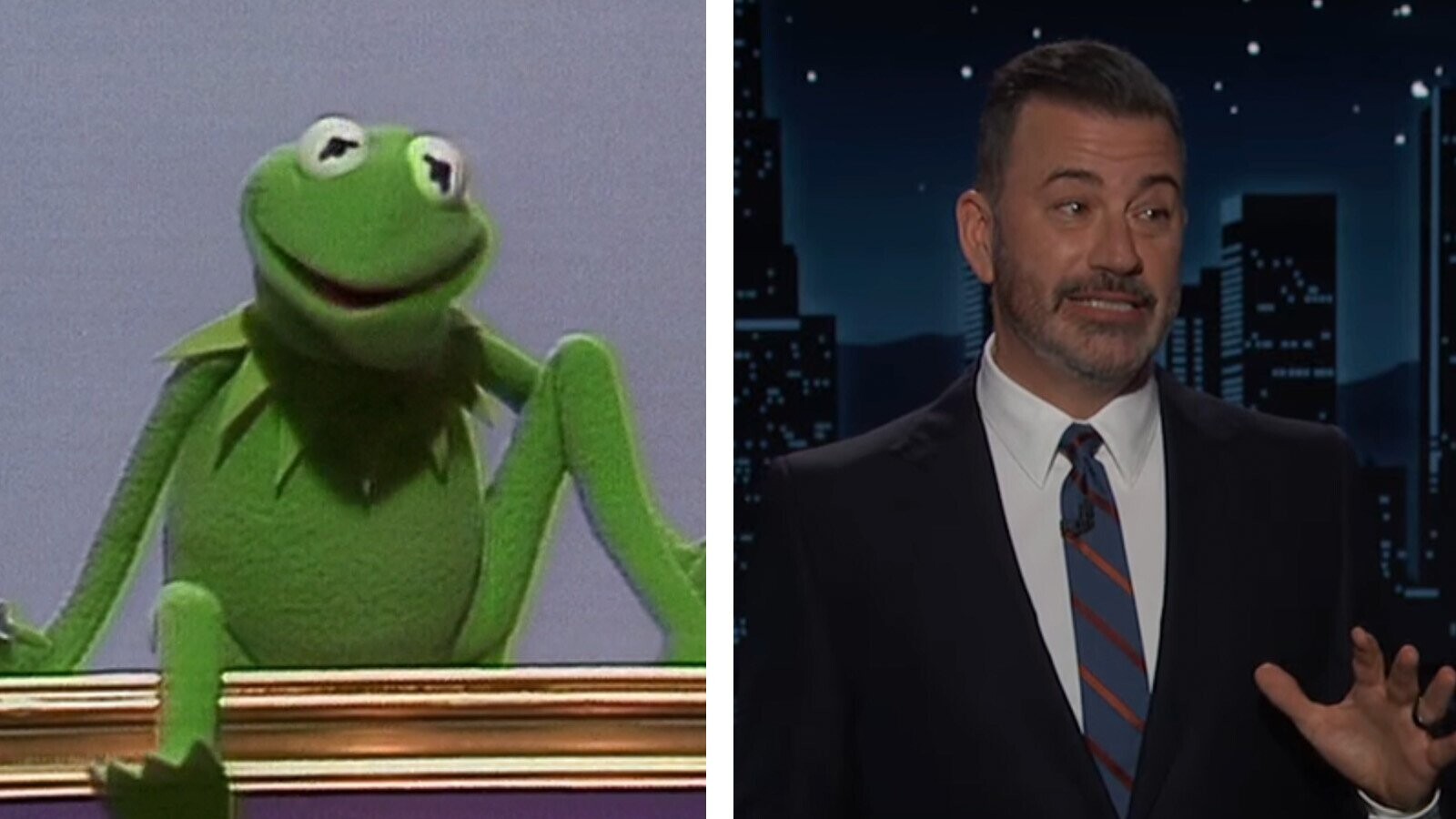
Disney probably expected cheers, frog emojis, and maybe a few deeply emotional comments from adults who still believe Kermit the Frog has better crisis-management skills than most studio executives. Instead, the company’s announcement of a new Muppet Show special arrived in the middle of a much louder conversation: the suspension of Jimmy Kimmel Live!
What should have been a sunny bit of nostalgia marketing quickly turned into a social media pile-on. Fans who might normally celebrate the return of Kermit, Miss Piggy, Fozzie Bear, Gonzo, and the rest of the felt-covered chaos crew were suddenly using Disney’s post as a complaint box. The comments were not about whether Sabrina Carpenter was a smart guest star, whether Seth Rogen could help revive the variety-show format, or whether Statler and Waldorf should be allowed to moderate every presidential debate. They were about Jimmy Kimmel.
The timing was almost comically Muppet-like. Disney had a polished entertainment announcement ready to go. Then ABC, which Disney owns, pulled Kimmel’s late-night show “indefinitely” following controversial remarks he made after the killing of conservative activist Charlie Kirk. The result was a very modern media collision: a beloved family-entertainment brand tried to sell joy while audiences were arguing about censorship, political pressure, corporate caution, and free speech.
What Disney Announced About The Muppet Show
The Muppets news itself was substantial. Disney brought back The Muppet Show as a special event tied to the franchise’s 50th anniversary, with Sabrina Carpenter as the featured guest star and Seth Rogen involved as an executive producer and guest star. The special returned the characters to the classic Muppet Theatre, promising music, comedy, backstage mayhem, and the kind of cheerful disorder that makes Kermit look like the only responsible adult at a birthday party inside a fireworks factory.
The production involved Disney Branded Television, 20th Television, The Muppets Studio, and Point Grey Pictures. Alex Timbers directed and served as an executive producer, while familiar Muppet performers including Bill Barretta, Dave Goelz, Eric Jacobson, Peter Linz, David Rudman, and Matt Vogel handled many of the iconic characters. For longtime fans, that mattered. The Muppets are not merely characters; they are performance traditions, voices, rhythms, hand movements, eyebrow angles, and perfectly timed panic.
Disney also emphasized the heritage of the original Muppet Show, which ran from 1976 through 1981 and became an international hit. The series blended vaudeville, sketch comedy, musical guests, backstage disasters, and a surprisingly sophisticated sense of humor. It was family entertainment, yes, but never bland. The jokes often worked on multiple levels, which is why adults still quote it decades later while children mostly remember Animal screaming and Miss Piggy committing elegant violence.
Why the Kimmel Backlash Took Over the Conversation
The backlash was not really about the Muppets. That is what made the whole thing so awkward. Many commenters appeared to like the Muppets, or at least had no obvious objection to Kermit returning to the stage. Their anger came from the fact that the announcement arrived around the same time ABC pulled Jimmy Kimmel Live! from the air.
Kimmel’s suspension followed his comments about the political reaction to Charlie Kirk’s killing. The controversy escalated after FCC Chair Brendan Carr criticized Kimmel’s remarks and suggested that broadcasters could face consequences. Nexstar Media Group, a major owner of ABC affiliates, said it would preempt the program. Sinclair also objected and later demanded additional action. ABC then announced that Kimmel’s show would be preempted indefinitely.
For critics, the sequence looked less like routine network discipline and more like a major corporation folding under political and regulatory pressure. Supporters of the suspension argued that Kimmel’s remarks were insensitive during an emotional national moment. Opponents argued that the move chilled political comedy and rewarded pressure campaigns against speech. Either way, Disney’s cheerful Muppet announcement suddenly had to compete with one of the noisiest media controversies of the year.
When Nostalgia Marketing Meets a Political Firestorm
Brand timing matters. A cute post about Kermit’s coffee mug can feel charming on Monday and tone-deaf on Wednesday, depending on what the parent company is doing elsewhere. That is the difficult lesson Disney ran into. The Muppets are built on warmth, silliness, and controlled chaos. The Kimmel controversy was all heat, no warmth, and absolutely no control.
That contrast made the announcement a target. Some users accused Disney of trying to distract audiences with nostalgia. Others said they were canceling Disney+ subscriptions. Some comments were jokes; others were blunt political criticism. The overall message was clear: a portion of the audience did not want to talk about puppets until Disney answered for Kimmel.
This is the challenge of running a mega-brand in the social media era. Disney is not just one company in the public imagination. It is Marvel, Star Wars, Pixar, ABC, ESPN, Hulu, Disney+, theme parks, cruises, princesses, lightsabers, frogs, and one mouse with the legal instincts of a Supreme Court clerk. When one part of the empire makes a controversial decision, another part cannot always keep selling nostalgia as if nothing happened.
The Muppets Have Always Been Weirder Than “Safe” Content
Part of the irony is that the Muppets themselves are not exactly corporate wallpaper. Jim Henson’s creations became beloved because they were strange, witty, emotional, and anarchic. The original Muppet Show worked because it turned show business into a lovable disaster. The backstage plotlines were full of panic. The performers were insecure, vain, ambitious, jealous, and occasionally explosive. Fozzie bombed. Gonzo risked bodily harm for art. Miss Piggy turned self-confidence into a contact sport.
That spirit is hard to square with a corporate environment that appears nervous about controversy. The Muppets are sweet, but they are not toothless. Statler and Waldorf are professional hecklers. Sam Eagle is a walking satire of stern respectability. Even Kermit, the reasonable one, spends much of his time barely holding the show together while the universe throws chickens at him.
So when fans saw Disney celebrating the Muppets while also facing criticism over Kimmel, some viewed it as painfully ironic. The Muppets represent messy, live-wire comedy. Kimmel’s suspension raised questions about how much messiness a modern network will tolerate when politics, affiliates, regulators, and advertisers start staring at the same stage.
Was the Reboot Announcement Actually Bad News?
No. Judged on its own, the Muppet Show revival was good news for fans. Disney had struggled for years to find the right modern lane for the franchise. The 2011 film brought the characters back with affection and box-office success. The 2015 ABC sitcom tried a more adult mockumentary angle but divided audiences. Muppets Now leaned into streaming-era shorts. The Muppets Mayhem gave the Electric Mayhem a spotlight but did not become a long-running hit.
A return to the classic variety-show structure made sense. The Muppets were born for chaos in front of a curtain. They do not need an elaborate mythology, a cinematic universe, or a gritty origin story explaining why Fozzie tells bad jokes. They need a stage, a guest star, a few musical numbers, backstage panic, and at least one experiment from Muppet Labs that should violate local safety codes.
Sabrina Carpenter was also a smart choice. She brought contemporary pop appeal without seeming out of place in a theatrical setting. Seth Rogen’s involvement signaled that Disney wanted comedy producers who understood both nostalgia and absurdity. The special’s later audience performance suggested that the Muppets still had real cultural pull when the conversation was not being hijacked by a separate ABC crisis.
How the Kimmel Controversy Changed the Meaning of the Announcement
Entertainment announcements do not exist in a vacuum anymore. They land inside feeds where every post sits next to politics, tragedy, outrage, jokes, advertising, and customer complaints. That means the public can repurpose any corporate message. Disney posted about the Muppets; users replied about Kimmel. The company wanted a celebration; the audience turned it into a referendum.
This does not mean every angry comment represented the entire audience. Social media is excellent at making a crowd look unanimous when it is actually loud, motivated, and online at the same time. Still, the flood of Kimmel-related replies showed how quickly goodwill can become leverage. Fans know companies monitor engagement. They know replies under a brand post are public. They know hijacking a happy announcement is one way to force an uncomfortable topic back into view.
In older media cycles, Disney could have separated these stories more easily. A newspaper entertainment section might run the Muppets item on one page and the Kimmel controversy elsewhere. Online, those walls collapse. A single brand account becomes a town square, suggestion box, protest sign, and joke machine all at once.
Disney’s Bigger Brand Problem
The angry comments also point to a broader issue for Disney: audiences increasingly judge entertainment companies by corporate behavior, not only by content. For some viewers, paying for Disney+ is not just buying access to movies and shows. It is a small vote of trust. When that trust is shaken, even beloved characters can become part of the argument.
That is why the Kimmel replies mattered. They were not merely random complaints under a promotional post. They were a reminder that Disney’s family-friendly image does not protect it from political scrutiny. In fact, the company’s reputation for wholesome storytelling can make perceived corporate caution seem even more disappointing to some fans. People expect villains to behave badly. They get more upset when the castle looks nervous.
Disney has weathered many culture-war storms before, from theme park disputes to streaming controversies to debates over representation in family entertainment. The Kimmel situation was different because it involved late-night comedy, affiliate power, federal pressure, and a direct question about whether a major media company would stand behind one of its most famous hosts. That is heavy baggage to place beside Kermit’s banjo.
What This Means for the Future of the Muppets
The good news for Disney is that the Muppets are resilient. They have survived changing owners, changing performers, changing formats, and changing audience habits. The characters are flexible because their core idea is timeless: a bunch of weirdos try to make a show together, fail constantly, and somehow create joy anyway.
If Disney wants the Muppets to thrive beyond one anniversary special, it should lean into that truth. The franchise should not be treated as fragile museum property. It needs sharp writing, musical energy, celebrity guests who understand the assignment, and enough backstage chaos to make Kermit visibly reconsider his career choices. The Muppets work best when they are allowed to be funny first and merchandise-friendly second.
The Kimmel comment storm should also teach Disney that audiences can smell over-managed cheerfulness. A reboot announcement is not just a press release; it is a conversation starter. If the company wants fans to celebrate, it has to understand what else those fans are thinking about that day. Sometimes they want to sing “The Rainbow Connection.” Sometimes they want answers from corporate leadership. Sometimes, inconveniently, they want both.
Experience Section: Why This Story Felt So Personal to Fans
For many viewers, the Muppets are not just another intellectual property in Disney’s crowded vault. They are childhood memories with googly eyes. They are rainy afternoons, VHS tapes, Disney+ rewatches, family jokes, and the comforting belief that even total chaos can become a show if someone lights the lights. That emotional attachment explains why the Kimmel controversy hit the announcement so strangely. Fans were being invited to feel nostalgic at the exact moment they felt politically or ethically irritated.
Imagine scrolling through social media after seeing headlines about a late-night host being pulled from the air. You are thinking about free speech, corporate pressure, broadcasters, and whether comedy is becoming too risky for network television. Then, suddenly, here comes Kermit. He is adorable, of course. Kermit is nearly impossible to dislike unless you are a banjo-hating swamp landlord. But the emotional whiplash is real. The post says, “Celebrate this beloved show.” The audience replies, “Not so fast, mouse house.”
That experience reflects how modern fandom works. People do not separate entertainment from values as neatly as studios might prefer. A fan can love Miss Piggy and still criticize Disney. A viewer can be excited for Sabrina Carpenter performing with Muppets and still be angry about Kimmel’s suspension. A subscriber can want more classic variety comedy and still threaten to cancel Disney+ because the broader corporate decision feels wrong to them.
The most revealing part of the backlash is that it did not necessarily come from people who hate Disney. In many cases, anger comes from disappointed affection. People complain loudly when they feel a company they care about has violated the spirit of the stories it sells. Disney has spent generations telling audiences to be brave, honest, loyal, and true to themselves. When audiences believe Disney is acting cautiously under pressure, they measure the company against its own fairy-tale vocabulary. That may not always be fair, but it is powerful.
The Muppets make that tension even sharper because their entire appeal is sincerity wrapped in nonsense. Kermit is not cool. Fozzie is not successful. Gonzo is not normal. Miss Piggy is not humble. Yet together, they create something lovable because they keep going. Fans see that persistence as part of the Muppet moral universe. So when the announcement became tangled with Kimmel, the comments were not only about one late-night show. They were about whether Disney still understood the unruly, outspoken, risk-taking spirit that made the Muppets worth reviving in the first place.
In the end, this strange episode may actually prove the Muppets still matter. Nobody hijacks a post they do not notice. Nobody argues under an announcement they consider irrelevant. The angry Kimmel comments showed that Disney’s audience is passionate, alert, and unwilling to treat entertainment as a sealed bubble. That is inconvenient for publicists, but it is also a sign of life. The Muppets have always thrived in the middle of heckling, confusion, bad timing, and backstage panic. If Disney is wise, it will take the lesson: let the frog be funny, let the jokes breathe, and never assume nostalgia can drown out a bigger conversation.
Conclusion
Disney’s Muppet Show reboot announcement became a case study in modern entertainment backlash. On paper, the news had everything fans usually want: beloved characters, a return to the classic Muppet Theatre, a major pop guest in Sabrina Carpenter, and comedy talent led by Seth Rogen. But timing changed everything. Because the announcement arrived alongside the Jimmy Kimmel controversy, the comments became less about Muppet nostalgia and more about Disney’s corporate judgment.
The lesson is not that Disney should stop reviving the Muppets. Quite the opposite: the Muppets remain one of the company’s most charming and flexible franchises. The lesson is that audiences now respond to brands as whole ecosystems. A cheerful post cannot always outrun a serious controversy. Even Kermit, with all his gentle wisdom, cannot play banjo loudly enough to silence a free-speech debate.
For the Muppets, the path forward is still bright. Give them smart writing, real comedy, lively guest stars, and room to be weird. Let the show feel handmade, hectic, and human, even when half the cast is made of felt. For Disney, the harder task is remembering that beloved characters create goodwill, but goodwill is not unlimited. Fans will applaud the curtain rising. They will also heckle from the balcony when they think the people running the theater have lost the plot.