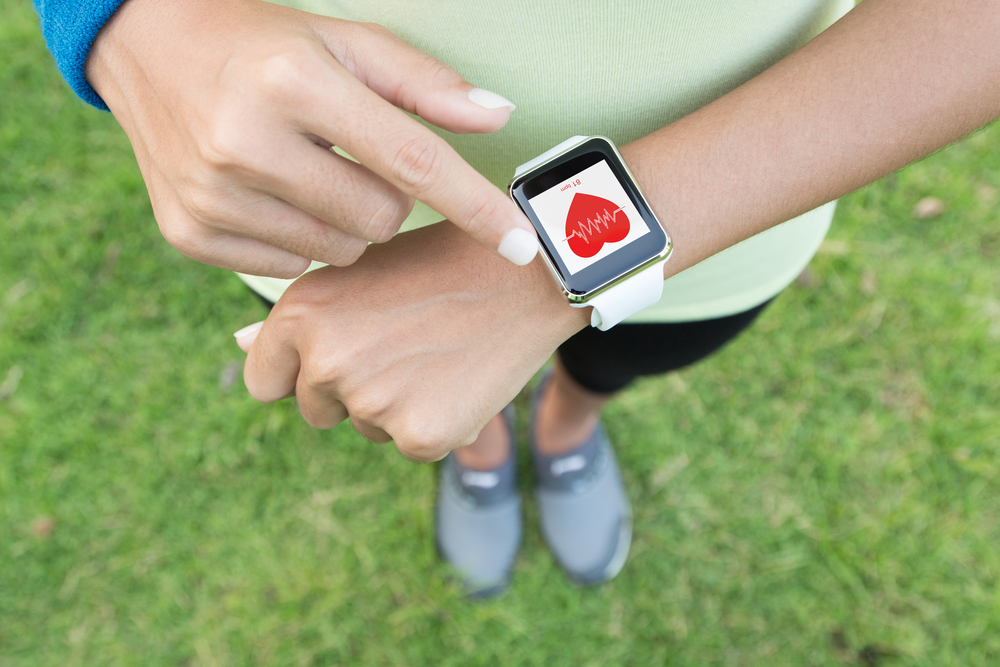
Not that long ago, “mobile health technology” meant setting a reminder on your phone to take a pill
and hoping you didn’t swipe it away by accident. Today, your smartphone can track your sleep,
monitor your heart rhythm, guide you through physical therapy, connect you to a doctor in another
state, and send data straight into an electronic health record. That’s not just a glow-up it’s a
full-on healthcare revolution.
The challenge? This revolution moves fast. New apps, wearables, and AI-powered tools show up
constantly, and it can be tough for patients, caregivers, and clinicians to figure out what’s truly
helpful, what’s hype, and what might quietly sell your data to the highest bidder.
In this guide, we’ll break down what’s happening in mobile health technology (often called
mHealth), why it’s evolving so quickly, and how you can keep up without feeling like
you need a second degree in digital health just to book a checkup.
What exactly is mobile health technology?
Mobile health technology (mHealth) refers to health services and information delivered or
supported via mobile devices like smartphones, tablets, smartwatches, and connected sensors. It’s a
big umbrella that covers:
- Health and wellness apps – step counters, meditation apps, period trackers, weight-loss apps, and more.
- Clinical mobile apps – tools for tracking blood sugar, adjusting insulin, managing asthma, or checking medication interactions.
- Telehealth and telemedicine – video visits, secure messaging, and remote consultations.
- Wearables and the Internet of Medical Things (IoMT) – smartwatches, patches, blood pressure cuffs, and other connected devices feeding real-time health data to apps and clinicians.
- Remote patient monitoring (RPM) – systems that track conditions like heart failure, COPD, or hypertension from home instead of the hospital.
The scale is massive. Health app downloads reached hundreds of millions in 2024 globally and continue
to grow, driven by demand for fitness, mental health, and chronic disease management tools.
And Americans now spend more than five hours a day on their phones on average plenty of room for
health apps to sneak in between social media and shopping.
Why mobile health is evolving so fast
Several forces are pushing mobile health technology forward at high speed:
1. Ubiquitous smartphones and connectivity
Smartphones are essentially pocket supercomputers. High-speed mobile internet and cloud computing
mean health data can be captured, analyzed, and shared in real time. That makes mobile health tools
attractive for everything from checking symptoms to managing complex chronic conditions.
2. Post-pandemic comfort with virtual care
The COVID-19 pandemic dramatically accelerated telehealth adoption. Providers and patients were forced
to experiment and many discovered they liked the convenience of remote consultations and follow-up
visits. Today, telehealth is woven into routine care, and mobile health apps are the front door
for those services.
3. Advances in AI and real-time analytics
Behind the scenes, artificial intelligence and machine learning now help apps detect patterns in
heart rhythms, suggest behavior changes, or triage symptoms. Emerging research shows that AI-powered
tools and conversational agents (including chatbots integrated into health apps) are reshaping how
healthcare is delivered and how patients interact with systems.
4. Policy and industry investment
Governments and health systems are encouraging digital health innovation, while investors pour money
into startups building new mobile health platforms. At the same time, regulators like the U.S. Food
and Drug Administration (FDA) are refining frameworks for software-based medical devices and mobile
medical apps, which gives companies clearer guidance on how to bring safe products to market.
The upside: how mHealth can improve care and everyday life
When used thoughtfully, mobile health technology can make care more convenient, more personalized,
and, frankly, less scary. Here’s how.
1. Convenience: care that fits into real life
Mobile health technology turns “I’ll call the doctor tomorrow” into “I’ll send a message now” or
“I’ll check my app.” You can:
- Refill prescriptions with a few taps.
- Get lab results and follow-up instructions right on your phone.
- Do a quick video visit instead of taking half a day off work to sit in a waiting room.
For people in rural areas or with transportation challenges, telehealth and mobile tools can be the
difference between getting timely care and skipping it altogether.
2. Better chronic disease management
Chronic conditions like diabetes, hypertension, asthma, and heart disease benefit from daily
attention, not just an annual checkup. Mobile health tech shines here:
-
Remote patient monitoring tools can track blood pressure, blood sugar, oxygen levels, and more
at home, alerting care teams when readings drift into risky territory. -
Condition-specific apps help people log symptoms, medications, and triggers and can provide
personalized reminders and education. -
Smart inhalers and connected devices can show patterns in asthma flare-ups or COPD symptoms and
help fine-tune treatments.
Instead of relying on “How have you been feeling?” every six months, clinicians can see trends and
intervene earlier.
3. Personalized, data-driven insights
Health apps and wearables generate a steady stream of data about sleep, steps, heart rate, activity,
and even stress. Combined with AI and predictive analytics, that data can:
- Spot early warning signs of problems (like irregular heart rhythms).
- Suggest small, realistic behavior changes instead of generic advice.
- Tailor exercise, nutrition, or medication plans more precisely.
In other words, your phone can help turn “I know I should be healthier” into “Here are three small
things I can do this week.”
4. Mental health support at your fingertips
Mental health apps offering therapy exercises, mood tracking, guided meditation, and coping tools have
exploded in popularity. They’re not a replacement for professional care, but they can lower the
barrier to getting help, especially for people who face stigma, long waitlists, or limited access
to in-person providers.
The fine print: risks and challenges in mobile health
Of course, it’s not all smooth sailing. Mobile health technology introduces new risks that patients,
clinicians, and organizations can’t afford to ignore.
1. Privacy and security concerns
Health data is some of the most sensitive information about you and many mobile health apps collect
a lot of it. While apps used by covered entities (like hospitals or insurers) may fall under
HIPAA rules in the United States, plenty of consumer health apps do not.
Common issues include:
- Data being shared with third parties for advertising or analytics.
- Weak security practices, such as poor encryption or access controls.
- Unclear or confusing privacy policies that users rarely read.
Research has repeatedly flagged gaps in confidentiality, privacy, and security for mHealth apps and
recommended building stronger protections directly into app design.
2. Regulatory complexity
When does a health app become a “medical device”? It’s not always obvious. The FDA uses a
risk-based approach to regulate mobile medical apps and other device software functions that
could affect patient safety if they malfunction.
In practice, that means:
- An app that simply reminds you to take your medication may not be regulated as a device.
-
An app that analyzes ECG data to diagnose arrhythmias or adjust insulin dosing is
much more likely to fall under FDA oversight.
Developers have to navigate complex guidance documents on clinical decision support, software
validation, cybersecurity, and AI-based tools.
3. Data overload and app fatigue
More data is not automatically better. It can be overwhelming for patients and clinicians.
- Patients may burn out from logging every step, meal, and symptom.
- Clinicians may get buried in dashboards and alerts, leading to “alarm fatigue.”
- Organizations may struggle to integrate app data into existing workflows and electronic health records.
Without thoughtful design and clear action plans, all that information risks becoming
“interesting but unused.”
4. The digital divide and health equity
Mobile health is only helpful if people can actually use it. Studies of older adults in the United
States show that those affected by the digital divide lacking access, skills, or confidence with
technology are more likely to be lower-income, less educated, and from historically marginalized
groups. These digital gaps are linked to worse self-rated health and greater health inequality.
If health systems race ahead with app-based services without addressing these gaps, they risk
widening existing disparities instead of closing them.
How to keep up with mobile health tech without burning out
You don’t need to try every new app on the app store to stay current. A more realistic goal:
be strategic about what you use and how you evaluate new tools.
For patients and caregivers
-
Build a simple “core stack” of apps.
Focus on 3–5 tools that support your biggest health goals, such as:- One app from your health system or insurance provider (for visits, lab results, messaging).
- One or two condition-specific apps (for diabetes, asthma, migraines, etc.).
- One mental wellness or stress-management app you actually enjoy using.
-
Check who’s behind the app.
Look for reputable health systems, universities, or established companies. See whether the app
mentions clinical validation, published studies, or expert involvement. -
Scan the privacy and data-sharing practices.
Yes, it’s boring. Yes, it matters. Look for clear explanations of:- What data is collected.
- Who it’s shared with.
- Whether you can delete your data if you stop using the app.
-
Loop your care team in.
If you’re using an app to track blood pressure, mood, or glucose, tell your clinician. Ask:
“How should I share this data with you?” or “Is this app consistent with my treatment plan?” -
Set realistic expectations.
An app can support you; it can’t magically cure a chronic condition. Be wary of grand promises
and “miracle” claims.
For clinicians and health leaders
-
Create a short list of recommended tools.
Instead of letting patients fend for themselves in the app wilderness, curate a small list of
vetted apps and wearables that align with your practice and patient population. -
Involve IT, compliance, and frontline staff early.
Before rolling out remote patient monitoring or new telehealth platforms, make sure security,
privacy, workflow impact, and support needs are clearly addressed. -
Look for evidence and regulatory clarity.
Check whether an app or digital tool is considered a medical device, what FDA guidance may apply,
and whether there’s meaningful clinical evidence backing it. -
Watch for digital inclusion issues.
Build alternatives for patients who lack smartphones, reliable internet, or digital literacy.
Consider lending devices, offering tech support, or pairing mobile tools with community-based
programs.
A simple framework for evaluating any new health app
When you see a new health app or wearable, run it through this five-question filter:
- Purpose: What exactly does this do? Is it clear, specific, and relevant to your goals?
-
Proof: Is there any evidence clinical studies, pilot projects, or at least expert input
that it actually works as advertised? -
Privacy: Do you understand how your data will be used and shared? Are there strong security
protections in place? -
People: Who built it? Do they have healthcare or scientific credentials, or is it just
“some guys with a cool logo”? -
Practicality: Does it fit into your daily life or clinical workflow, or will it become yet
another forgotten icon on your home screen?
If an app scores poorly on two or more of these, it’s probably not worth your time no matter how
slick the marketing is.
What’s next for mobile health?
Looking ahead, several trends are likely to shape the next wave of mobile health innovation:
-
More AI “co-pilots” for health – from chat-based symptom checkers to virtual coaches that
nudge you toward better habits, AI-driven tools will become more conversational and integrated
into care pathways. -
Deeper integration with wearables and IoMT – continuous streams of data from smartwatches,
patches, home sensors, and connected devices will feed into analytics platforms, helping clinicians
make more precise, real-time decisions. -
Stronger regulation and standards – expect more detailed guidance on AI in medical devices,
cybersecurity, and software validation, as regulators work to keep up with innovation. -
More focus on equity and inclusion – the digital divide’s impact on health is now well
documented, so policymakers and health systems are under growing pressure to design mobile health
strategies that don’t leave vulnerable populations behind.
The bottom line: mobile health technology is not a passing fad it’s becoming a core part of how
healthcare is delivered and experienced.
Real-world experiences: what “keeping up” looks like in practice
It’s one thing to talk about trends; it’s another to see how they play out in everyday life. Here
are a few composite scenarios (based on real-world patterns) that show what it means to keep up with
the rapid developments in mobile health technology.
1. The patient with a “smart” chronic condition
Imagine Maria, a 47-year-old with type 2 diabetes. A few years ago, her diabetes care centered around
quarterly appointments and a paper logbook she often forgot to fill out. Now she uses a continuous
glucose monitor (CGM) linked to an app on her phone. The app alerts her if her blood sugar is slowly
creeping up in the afternoon, long before she feels symptoms. It also highlights patterns like the
fact that her Sunday “cheat meal” reliably leads to a rough Monday.
Her primary care team can review her data between visits and adjust her medications when needed
instead of waiting for a crisis. But Maria doesn’t just download every diabetes app she finds. She
and her clinician picked two tools they both trust, and they review her data during visits so she
doesn’t feel like she’s managing it alone. Mobile health tech hasn’t made her diabetes disappear, but
it has given her more control and fewer surprises.
2. The clinic that learns to love (and tame) telehealth
In a busy family medicine clinic, staff initially treated telehealth as an emergency pandemic patch.
Video visits were chaotic, apps were confusing, and nobody was quite sure which platform to use for
which patient. Over time, the clinic leadership decided to get intentional about mobile health.
They standardized on one telehealth platform, integrated it with their scheduling system, and offered
short tech-check sessions for patients who needed help. They also added remote patient monitoring for
high-risk heart failure patients using connected scales and blood pressure cuffs.
At first, clinicians worried about being flooded with data. But the program included clear thresholds
for alerts and assigned a nurse to review dashboard trends daily. Instead of reacting to emergencies,
the team started proactively calling patients whose readings looked worrisome. Hospitalizations went
down, and clinicians felt that mobile health technology was finally working for them, not
against them.
3. The caregiver bridging the digital divide
Then there’s James, who helps care for his 78-year-old father, Mr. L. His dad has a basic flip phone,
not a smartphone, and gets overwhelmed by new technology. When James’ health system rolled out a new
mobile app for appointments, messages, and lab results, Mr. L was completely lost.
Instead of forcing the app on him, the care team and James worked out a hybrid model. James uses the
app on his own phone with his father’s consent, receives alerts about upcoming visits and medication
refills, and prints out simple summaries for his dad. The clinic also makes sure critical updates are
available via phone calls and mail, not just through the app.
This arrangement isn’t as shiny as a fully digital experience, but it’s realistic. It respects the
digital divide and shows that “keeping up” with mobile health tech sometimes means supporting
people who won’t ever be comfortable using these tools directly and building systems that work for
them anyway.
4. You, choosing wisely instead of frantically
Finally, picture your own situation. Maybe you’ve downloaded a handful of health apps that you
rarely open, or maybe you’re curious but cautious. Keeping up doesn’t mean turning your life into an
experiment in continuous biometric surveillance. It means:
- Choosing a small set of tools that genuinely help you.
- Understanding the basics of how they handle your data.
- Being willing to delete apps that no longer serve you.
- Talking openly with your clinicians about what you’re using and what’s confusing.
In short, keeping up with rapid developments in mobile health technology is less about chasing every
new gadget and more about building a thoughtful, transparent, and sustainable relationship with the
digital side of healthcare.
Conclusion: stay curious, stay critical, stay in control
Mobile health technology is transforming healthcare sometimes dramatically, sometimes quietly in the
background. It offers more convenience, better chronic disease management, richer data, and new ways
to support mental and physical well-being. At the same time, it raises serious questions about
privacy, regulation, digital equity, and information overload.
The good news is you don’t have to be a tech expert to keep up. By focusing on a few well-chosen
tools, asking smart questions about privacy and evidence, and staying alert to the needs of people
who are on the wrong side of the digital divide, you can benefit from the mobile health revolution
without being overwhelmed by it.
Stay curious. Stay critical. And remember: if an app doesn’t make your life or your patients’ lives
better in some clear way, it’s okay to swipe left.