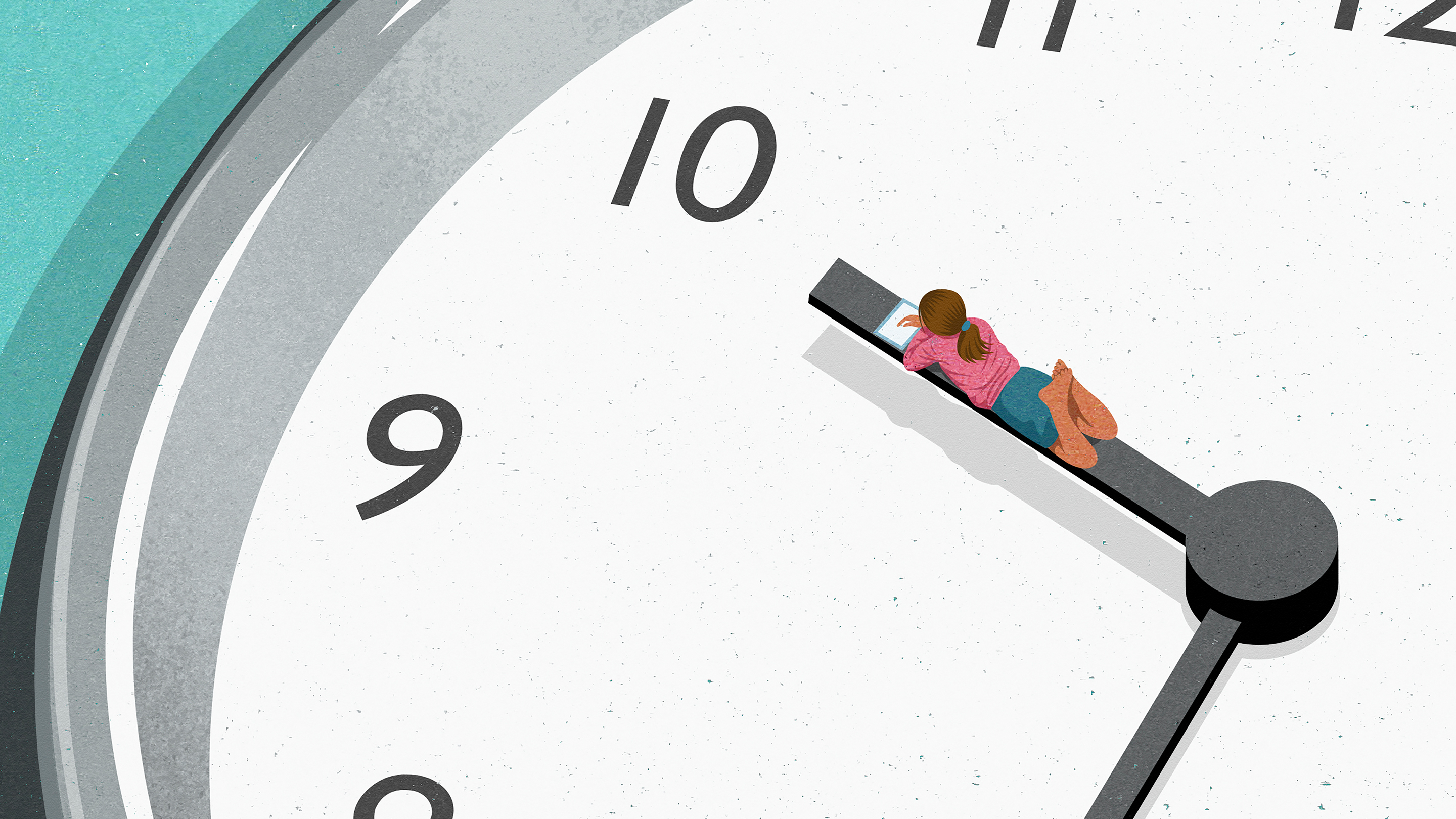
Time management is one of those school skills that hides in plain sight. We talk about it constantly, but often in the vaguest possible way: “Use your time wisely.” “Get started sooner.” “Don’t wait until the night before.” For students in grades 3-12, that advice is about as helpful as telling someone to “just be organized” while their backpack quietly evolves into an archaeological dig.
The truth is simple: time management is not a personality trait. It is not something only “naturally responsible” kids have. It is a teachable set of habits built over time through practice, modeling, structure, and reflection. When schools and families treat it that way, students are more likely to complete work on time, feel less overwhelmed, and build the independence they need for middle school, high school, and life beyond the classroom.
Teaching time management skills in grades 3-12 works best when adults stop assuming students will magically absorb these habits by osmosis. They need direct instruction. They need routines. They need tools that match their age and maturity. And, perhaps most important, they need adults who understand that “late work” is not always laziness. Sometimes it is weak planning, poor time awareness, too many distractions, unclear expectations, or a brain that still needs help building executive function.
Why Time Management Belongs in Every Classroom
Time management sits inside a larger cluster of executive function skills. These are the mental processes that help students plan ahead, focus attention, shift between tasks, manage materials, and follow through. In real classroom life, that means knowing how long a science project may take, deciding what to do first, remembering the rubric, resisting the urge to reorganize the pencil pouch for 14 dramatic minutes, and finishing the assignment before bedtime becomes a personal tragedy.
Students who develop stronger time management habits are better equipped to handle increasing academic demands. That matters because school expectations do not stay still. In upper elementary grades, students begin juggling more homework, projects, and responsibilities. In middle school, they often move between classes, teachers, and deadlines. In high school, the pressure grows again as students balance coursework, activities, jobs, test prep, family responsibilities, and social life. Good intentions alone cannot carry that load.
Time management also affects student well-being. When kids consistently underestimate how long work will take, delay getting started, or work in constant distraction mode, stress rises fast. A student who plans poorly may look unmotivated, when the real issue is that they do not yet know how to break a large task into manageable pieces. Teaching those pieces can reduce frustration and build confidence.
What Time Management Really Includes
For students in grades 3-12, time management is not just “finishing homework faster.” It includes several connected skills:
- Estimating how long a task will take
- Breaking large assignments into smaller steps
- Prioritizing what must be done first
- Using calendars, planners, checklists, or digital reminders
- Starting tasks before the deadline turns into a jump scare
- Planning for breaks, transitions, and needed materials
- Protecting time from distractions like phones, clutter, noise, and multitasking
- Reflecting on what worked and adjusting the plan next time
Students do not master all of these at once. A third grader may only be ready to follow a simple visual schedule and estimate whether a task will take “a little time” or “a lot of time.” A twelfth grader should be moving toward backward planning, calendar management, and balancing competing deadlines independently. The path is developmental, not magical.
How Time Management Instruction Should Change by Grade Band
Grades 3-5: Build Awareness and Routine
In upper elementary school, the goal is not to turn children into miniature project managers carrying color-coded binders with quarterly performance objectives. The goal is to build awareness. Students at this stage need help understanding what time feels like, what a sequence looks like, and how routines save mental energy.
Teachers can begin with visual and concrete strategies. Use timers during classwork. Post the daily agenda in the same place every day. Model what it looks like to start with the first step instead of staring at the paper as if it has personally offended you. Encourage students to estimate how long a task may take before they begin, then reflect afterward. This simple compare-and-reflect routine helps them build a more realistic sense of time.
Checklists are especially powerful in grades 3-5. A morning checklist, writing checklist, pack-up checklist, or homework checklist can reduce forgotten steps and make routines more predictable. Students also benefit from teacher language that names the process: “First we gather materials, then we start, then we check our progress.” That narration matters because it turns invisible thinking into something students can actually learn.
Grades 6-8: Teach Planning, Prioritizing, and Transitions
Middle school is where time management either starts maturing or starts catching fire. Students are suddenly expected to switch classes, remember materials, track multiple teachers’ expectations, and manage longer assignments. This is why grades 6-8 are the sweet spot for explicit instruction in planners, weekly planning, and task breakdown.
At this age, students need practice writing down assignments accurately, identifying due dates, and planning backward from deadlines. A research paper due Friday is not a “Friday problem.” It is a Monday-through-Thursday planning problem wearing a Friday costume.
Teach students to break bigger tasks into smaller actions such as choosing a topic, finding sources, outlining, drafting, revising, and proofreading. Then have them estimate the time for each part. This matters because many students only picture the final product, not the hidden steps. Once they can see the steps, they are less likely to panic, procrastinate, or tell everyone at 9:42 p.m. that they “just remembered” the entire project.
Middle school students also benefit from regular weekly previews. Spend a few minutes at the start of the week having students list major deadlines, sports, clubs, family events, and tests. Then help them identify busy days and decide where homework or study time fits. This turns planning into a routine instead of an emergency response.
Grades 9-12: Build Independence Without Abandonment
High school students need more autonomy, but they still need support. The mistake adults sometimes make is confusing independence with silence. A teenager may be handed more responsibility without being taught systems for handling it. That is not independence. That is a stress experiment.
In grades 9-12, instruction should focus on long-range planning, prioritization, and realistic workload management. Students should learn to use planners or digital calendars for tests, essays, practices, work shifts, and family commitments. They should also learn how to review the week ahead, not just react to the next assignment in front of them.
High school students benefit from strategies like time blocking, backward planning, and protected work sessions. They also need honest conversations about distraction. A phone nearby is not always “just there.” Sometimes it is a glittering black hole with notifications. Students should be taught to create distraction barriers during work time, such as turning off alerts, using one screen at a time, or leaving the phone outside the workspace when possible.
Older students also need help balancing productivity with health. Sleep, screen habits, commuting time, extracurriculars, jobs, and family duties all affect how much usable time they actually have. Good time management is not squeezing 29 hours into a 24-hour day. It is making realistic choices with the hours available.
Classroom Strategies That Actually Work
1. Teach Time Estimation
Before students begin a task, ask, “How long do you think this will take?” Afterward, ask, “How long did it actually take?” Over time, students become more accurate. That skill is gold because realistic planning starts with realistic estimates.
2. Make Time Visible
Use wall clocks, timers, countdowns, agendas, and posted schedules. Many students struggle because time feels abstract. Visible time gives them something concrete to monitor.
3. Break Projects into Steps
Do not assign only the final due date for major work. Provide interim checkpoints. When teachers break complex tasks into smaller deadlines, students are more likely to start earlier and less likely to implode the night before.
4. Use Planners, Calendars, and Checklists Consistently
One system used well beats five systems used badly. Whether students use paper planners or digital tools, the routine matters more than the brand. Teach them how to record assignments, rank priorities, and review the plan daily.
5. Build Predictable Routines
Routines reduce decision fatigue. A consistent homework time, pack-up process, or class opening routine helps students spend less mental energy on “What am I supposed to do now?” and more on actually doing it.
6. Include Reflection, Not Just Correction
When a student misses a deadline, skip the lecture marathon and ask reflective questions instead. What got in the way? Did you underestimate the time? Did you have the materials? Did you start too late? Reflection helps students improve the system instead of simply feeling bad about the result.
7. Teach Students to Prioritize
Not every task carries equal weight. Students should learn how to identify what is urgent, what is important, and what can wait. This keeps them from spending 45 minutes making a title page look like museum art while the essay itself remains a rumor.
How Teachers and Families Can Support the Same Habits
Time management instruction works better when school and home reinforce the same basic ideas. Families do not need to become unpaid assistant principals. But they can help by creating a predictable homework space, posting a family calendar, reviewing the next day’s schedule, and encouraging students to plan before diving into work.
For younger students, adults may need to be highly involved at first. That can include setting homework time, helping estimate task length, or checking that materials are packed the night before. For older students, the support should shift toward coaching instead of controlling. A weekly planning check-in usually works better than nightly micromanaging. Teenagers tend to respond better when adults offer structure without treating every overdue worksheet like a congressional hearing.
Communication matters, too. If a student consistently struggles with organization, missed deadlines, or long work times, teachers and families should compare notes. The issue may not be motivation alone. It may point to planning difficulties, attention problems, or a need for accommodations such as chunked assignments, extended time, visual supports, or more explicit directions.
Common Mistakes to Avoid
- Assuming students already know how to manage time. Many do not. Teach the process directly.
- Giving only general advice. “Try harder” is not a strategy. “Write the task in your planner, estimate 20 minutes, and set a timer” is a strategy.
- Overloading students with too many tools. Start with one clear system and practice it.
- Confusing procrastination with laziness. Students often procrastinate because tasks feel too big, too unclear, or too stressful.
- Ignoring sleep and screen habits. A student who is exhausted or constantly distracted will struggle to manage time well.
- Waiting until failure to intervene. Time management should be taught proactively, not only after missing work piles up.
Specific Examples Teachers Can Use Tomorrow
Here are a few practical ways to teach time management skills in grades 3-12 without redesigning the entire universe:
Elementary classroom example: Before independent reading response time, ask students to predict how long they will need to read, write, and check their work. Put a timer on the board. End with a one-minute reflection: “What took longer than you expected?”
Middle school example: Give students a project calendar with mini-deadlines. Spend five minutes on Monday having them choose which step they will complete each night. On Friday, ask them which part of their plan worked and which part they would change next time.
High school example: During advisory or the first five minutes of class, have students look at the week ahead and time-block study sessions, activities, and commitments. Teach them to schedule difficult work during their best focus time instead of pretending they will write a strong essay after three hours of doom-scrolling and half a granola bar.
Experiences From Classrooms and Homes: What This Looks Like in Real Life
In real classrooms, teaching time management rarely looks dramatic. There is no orchestral soundtrack. No one suddenly becomes a planning wizard because a teacher said, “Use your planner” with great conviction. Progress usually shows up in smaller, more human ways.
A fourth-grade teacher might notice that her students always run out of time during writing. At first, it seems like they are off task. But after asking them to estimate how long brainstorming, drafting, and revising take, she realizes most of them think an entire paragraph appears in two minutes like toast. Once she starts using timers, mini-deadlines, and a visual checklist, the room changes. Students begin moving through the steps with more confidence. They are not faster because of magic. They are faster because the work finally makes sense.
In middle school, a counselor may meet students who insist they have “too much homework,” only to discover that the real issue is not always the amount. Sometimes it is the collision of everything else: soccer practice, band rehearsal, family responsibilities, forgotten materials, late starts, and the habit of spending 25 minutes deciding what to do first. When those students begin mapping out the week on paper, they often see the problem clearly for the first time. Tuesday is overloaded. Wednesday has hidden free time. The science project should start earlier. The planner stops being a school accessory and starts becoming a survival tool.
At home, families often report that the mood improves when routines become more predictable. A parent who used to ask, “Did you do your homework?” seven times a night may switch to a simple routine: snack, short break, homework block, dinner, then pack the backpack for tomorrow. Suddenly there is less arguing because the expectation is built into the evening. The child may still grumble, of course. Grumbling is one of childhood’s most committed hobbies. But the routine carries some of the weight that constant reminders used to carry.
High school students often describe a different shift. What helps them most is not more lectures about responsibility but more realistic planning. One student starts using Sunday evening to list tests, practices, job hours, and assignment deadlines. Another learns to split a research paper into four work sessions instead of one exhausting marathon. Another realizes that studying with five tabs open, messages buzzing, and a video playing in the background is not “multitasking.” It is academic performance art. Once that student creates a phone-free study block, work that used to take two painful hours is done in 50 focused minutes.
These experiences matter because they show what time management really is: a learned routine for making school life manageable. Students do not need perfection. They need repeatable systems. They need adults who understand that missed deadlines can be feedback, not character flaws. And they need enough practice that planning becomes part of how they work, not just something adults keep begging them to do.
Conclusion
Teaching time management skills in grades 3-12 is not extra. It is part of helping students succeed academically, emotionally, and practically. When teachers and families provide explicit instruction, visible routines, planning tools, and age-appropriate support, students are more likely to complete work, reduce stress, and build genuine independence.
The goal is not to create children who schedule their lives like corporate consultants. The goal is to help them understand time, use it wisely, and trust themselves to handle growing responsibilities. Start small. Stay consistent. Teach the process. Then watch what happens when students stop guessing and start planning.