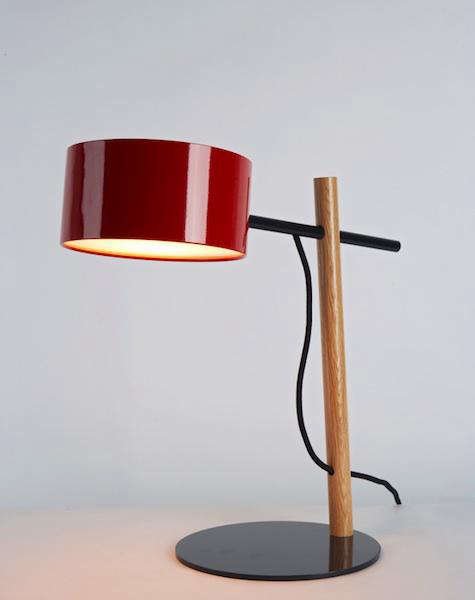
If most lamps are happy to behave like polite background actors, the Excel collection from Rich Brilliant Willing walks onstage like it owns the room, but in a very composed, very well-dressed way. These fixtures are graphic without being loud, sculptural without acting precious, and clever without wearing a name tag that says “I am clever.” That balance is exactly why the Excel line still feels relevant years after its debut.
At first glance, an Excel lamp looks almost ridiculously simple: a drum shade, a few strong lines, a wooden element, a precise angle. But that simplicity is the trick. It creates the kind of modern lighting that can anchor a room without turning the room into a shrine to itself. In a market crowded with fussy fixtures and overdesigned statement pieces, Excel remains refreshingly direct.
This is a collection that helped define the early identity of Rich Brilliant Willing, now widely known as RBW. It also helped prove a larger point: contemporary lighting can be warm, smart, and emotionally engaging without drowning in ornament. That may sound obvious now, but at the time, it was a meaningful design argument. And Excel made that argument with a very straight face and some very good proportions.
Why the Excel Collection Still Matters
The story of Excel is tied closely to the rise of Rich Brilliant Willing itself. The design studio gained early attention with the Excel floor lamp, a piece whose clean geometry and playful restraint instantly separated it from the usual pile of anonymous floor lights. It was named after Microsoft Excel, which sounds like a joke until you look at the fixture and realize the reference actually works. The composition really does feel like a chart translated into three dimensions: lines extending with purpose, circles appearing like plotted data points, and a structure that looks both rational and expressive.
That visual language is what makes Excel memorable. It feels analytical, yet never cold. It has the confidence of a well-organized spreadsheet and the charm of a handmade object. Yes, that is a sentence nobody expected to read about a lamp, but here we are.
Even better, the collection never depends on gimmicks. There is no oversized industrial posturing, no faux vintage drama, no desperate attempt to look futuristic. Instead, Excel works through proportion, contrast, and clarity. Wood softens metal. Fabric cords add a human note. Drum shades introduce fullness to otherwise lean silhouettes. The result is modern lighting with actual personality.
The Core Design Language of Excel Lamps
1. Geometry with a pulse
Excel lamps are built from recognizable forms: rods, dowels, cylinders, circles, and arms that extend with crisp intention. But the pieces never feel mechanical in a sterile way. They feel composed. There is visual rhythm in how the parts connect, and that rhythm gives the collection an almost architectural presence.
2. Minimalism that is not boring
Minimalism often has a branding problem. Too many products claim to be minimal when they are really just empty. Excel avoids that trap. These fixtures are spare, but not vacant. They use fewer gestures, not fewer ideas. The collection understands that good restraint still needs tension, contrast, and a point of view.
3. Warm materials, modern attitude
One of the smartest moves in the Excel family is the use of wood against painted or powder-coated metal. The oak or walnut components keep the fixtures from feeling flat or clinical. That small dose of natural material adds tactility and makes the lamps more livable in homes, studios, hospitality spaces, and offices.
4. A sculptural silhouette from every angle
Some lighting looks terrific only in product photography, which is a polite way of saying it has one good side. Excel lamps are stronger than that. Their lines and masses hold up from multiple viewpoints, which is one reason the floor lamp and chandelier have been especially successful in design-forward interiors. They behave like objects in space, not just tools for illumination.
Breaking Down the Excel Family
Excel Desk Lamp
The desk lamp is perhaps the most approachable member of the family. It takes the larger Excel idea and condenses it into a compact, highly usable task light. A wooden stem supports a round metal shade, giving the piece a crisp profile that feels equally at home on a writing desk, sideboard, console, or bedside table.
What makes this lamp effective is its lack of visual clutter. It reads quickly. You understand it in a second. Yet it still feels designed rather than generic. That is hard to do in the world of desk lamps, where many pieces either look like medical equipment or like they are auditioning to be modern art. Excel lands neatly in the middle.
In practical terms, the desk version also reflects RBW’s larger commitment to performance-driven lighting. It is not just pretty; it is functional, efficient, and built for real use. For anyone seeking a modern desk lamp that does not scream “corporate task lighting,” this is a strong candidate.
Excel Double Sconce
The wall-mounted version is where Excel starts flexing its graphic side. Two drum shades project from a solid wood backplate, creating a piece that feels symmetrical, balanced, and clean. It is especially effective in hallways, beside beds, in powder rooms, or anywhere a wall sconce needs to do more than merely exist.
The double sconce has a subtle theatricality. Because the paired shades project outward with confidence, the fixture creates presence even when switched off. When lit, it reads as both lighting and composition. It can bring order to a wall the same way a well-framed piece of art does, except this artwork also helps you find your socks.
Excel Floor Lamp
The floor lamp is the icon of the group. Long, lean, and unmistakable, it has a dramatic reach that lets it shape a seating area without swallowing it. This is not the sort of floor lamp you hide in a corner and forget. It is the fixture that tells the room what kind of room it wants to be.
Its appeal lies in the tension between visual lightness and physical scale. The construction feels airy, but the proportions are generous. That contrast creates atmosphere. In larger living rooms, hotel lounges, and stylish creative offices, the floor lamp can function almost like a mini architectural intervention, defining a zone without adding bulk.
Earlier coverage of the Excel floor lamp often praised how little material it seemed to use relative to its visual effect, and that observation still holds up. It does a lot with a little, which is a wonderful trick in both design and life.
Excel Chandelier
The chandelier takes the language of the collection and turns it into a horizontal composition. Multiple shades extend from slender arms, creating a suspended arrangement that feels structured yet dynamic. It has the energy of a line drawing floating overhead.
This piece works best where there is room for it to breathe: above large dining tables, in restaurant settings, over conference tables, or in hospitality interiors that need a modern chandelier with real identity. It is bold, but it is not flashy. That distinction matters. Plenty of chandeliers are expensive-looking. Fewer are genuinely intelligent-looking.
Where Excel Lamps Work Best
The genius of the Excel collection is that it can move across different interior types without losing character. In residential spaces, the lamps complement modern, Scandinavian, minimalist, and transitional interiors particularly well. In hospitality settings, they bring shape and mood without tipping into theme-park design. In workplaces, they help soften environments that might otherwise feel too sharp or anonymous.
For example, an Excel desk lamp can elevate a compact home office by adding warmth and sculptural clarity. An Excel sconce can flank a bed in a boutique-style bedroom, replacing bulky table lamps and freeing up surface space. The floor lamp can define a reading nook or living room conversation area, while the chandelier can turn a dining room into a destination rather than just a place where people occasionally remember vegetables exist.
The collection has also appeared in high-design hospitality projects, which makes sense. Excel pieces photograph beautifully, but more importantly, they hold their own in layered interiors filled with material richness, art, and custom furnishings. They are calm enough to coexist, yet distinctive enough to be noticed.
Design, Performance, and the RBW Mindset
Talking about Excel only as a stylistic success would miss half the point. RBW built its reputation not merely on attractive forms, but on the idea that lighting design should merge atmosphere and performance. Over the years, the company has increasingly emphasized measured light quality, technical refinement, and responsible manufacturing. That wider philosophy makes the Excel line feel even stronger in retrospect.
Today, RBW presents itself not just as a design studio, but as a manufacturer focused on creating better light. Its B Corp status, its factory development in Kingston, and its investment in photometric testing all reinforce the notion that beautiful fixtures should also deliver reliable, high-quality illumination. That context gives the Excel collection added credibility. It was never just a pretty sketch made real. It was part of a larger design philosophy aimed at making contemporary lighting warmer, smarter, and more useful.
And honestly, that is refreshing. The lighting world can be full of fixtures that are all silhouette and no substance. Excel comes from a brand culture that takes both seriously.
What Makes Excel Lamps So Appealing to Modern Buyers
There are several reasons the Excel collection continues to appeal to architects, interior designers, and homeowners. First, it has a distinct identity without becoming difficult to place. Second, it combines visual clarity with enough warmth to avoid feeling severe. Third, it belongs to a family, which makes it easier to create continuity across a project. A designer can use a desk lamp in one room, a sconce in another, and a chandelier somewhere else, all while maintaining a coherent language.
That family resemblance is one of Excel’s underrated strengths. So many lighting collections feel like cousins who only meet at holidays and do not actually like each other. Excel’s pieces clearly belong to the same design conversation.
There is also the emotional factor. These lamps are rational, yes, but not dry. They have a playful spark. The spreadsheet reference alone tells you RBW was willing to have some fun. That sense of humor is subtle, but it helps. Good modern design often fails when it becomes too self-important. Excel avoids that trap by being elegant and a little cheeky at the same time.
The Experience of Living with Excel Lamps
Living with an Excel lamp is not like living with trendy décor that begs for compliments every six minutes. The collection works more quietly than that. Its charm tends to reveal itself in stages. First, you notice the silhouette. Then you notice how naturally it fits into the room. Then, after a while, you realize it has become one of the elements that makes the space feel complete.
That is a surprisingly rare quality. A lot of designer lighting starts with a bang and ends with “maybe we should have bought something calmer.” Excel tends to do the opposite. It grows on you because it is disciplined. It does not exhaust the eye. It holds attention without demanding it.
There is also a tactile pleasure to the materials. Wood introduces familiarity. Fabric cords feel more domestic than cold plastic. Painted metal adds graphic sharpness. Together, these details make the pieces feel resolved. You get the sense that nothing is there by accident.
In the evening, especially, the collection comes into its own. The larger Excel fixtures create a warm, composed atmosphere that feels modern but not chilly. The light does not just brighten a room; it shapes it. And that, really, is the difference between basic lighting and memorable lighting.
Final Thoughts
The Excel lamps from Rich Brilliant Willing remain a standout example of contemporary lighting done right. They are clean but not bland, expressive but not chaotic, and useful without sacrificing design intelligence. More importantly, they represent a moment when modern lighting stopped treating warmth and efficiency as enemies and started treating them as partners.
If you are drawn to lighting that feels architectural, witty, and deeply considered, the Excel collection deserves attention. It is not trying to be everything. It is trying to be precise, atmospheric, and lasting. In design, that kind of restraint often ages better than spectacle. Excel proves it.
Experience Notes: What the Excel Collection Feels Like in Real Spaces
Spend enough time around the Excel collection, whether in a carefully designed home, a stylish office, or a hospitality space that clearly had a real budget and at least one opinionated designer, and you start to understand why these fixtures linger in your memory. They do not just provide light. They create posture for a room.
The first thing you notice is how calm the pieces feel. Even the floor lamp, which has obvious visual presence, does not feel noisy. It stretches into space with confidence, but it never turns theatrical in a desperate way. Instead, it seems to say, “Yes, I belong here,” which is more persuasive than any flashy design stunt. In a living room, that confidence can shift the whole mood. A sofa arrangement suddenly feels intentional. A reading chair feels less like leftover furniture and more like a destination.
The desk lamp offers a different experience. It is smaller, quieter, more intimate. On a desk, it gives the impression that the person working there has taste, but also deadlines. That is a compliment. The lamp’s geometry keeps things visually tidy, while the wood detail prevents the setup from becoming sterile. It works especially well in home offices where people want a space that feels professional without looking like a satellite branch of a tax firm. Place it next to a stack of books, a ceramic cup, and a laptop, and suddenly the desk has a point of view.
The sconce is perhaps the collection’s secret weapon. Wall lighting often gets treated like an afterthought, which is unfortunate because it can transform how a room feels after sunset. An Excel sconce adds structure to a vertical surface in a way that is both decorative and functional. In a hallway, it creates rhythm. Beside a bed, it feels cleaner and more disciplined than traditional bedside lamps. In a powder room, it can make even a modest wall feel composed and deliberate. That is no small feat.
Then there is the chandelier, which is where Excel becomes social. Over a dining table, it can change the psychology of the space. Meals feel a little more ceremonial. Conversations last longer. The room gathers itself under the fixture. A good chandelier does that. It creates a center of gravity without making everyone feel as though they must whisper in the presence of design greatness.
What ties all these experiences together is the collection’s ability to feel modern without becoming emotionally distant. That is harder than it sounds. Many contemporary fixtures look terrific in a showroom and oddly joyless in a real home. Excel escapes that fate because its geometry is softened by proportion, material warmth, and a kind of visual wit. It understands that people want clean lines, yes, but they also want rooms that feel inhabited, forgiving, and alive.
That is why the Excel family continues to resonate. It does not chase novelty. It creates atmosphere with discipline. And when lighting can do that, it stops being a finishing touch and becomes part of the architecture of everyday life.