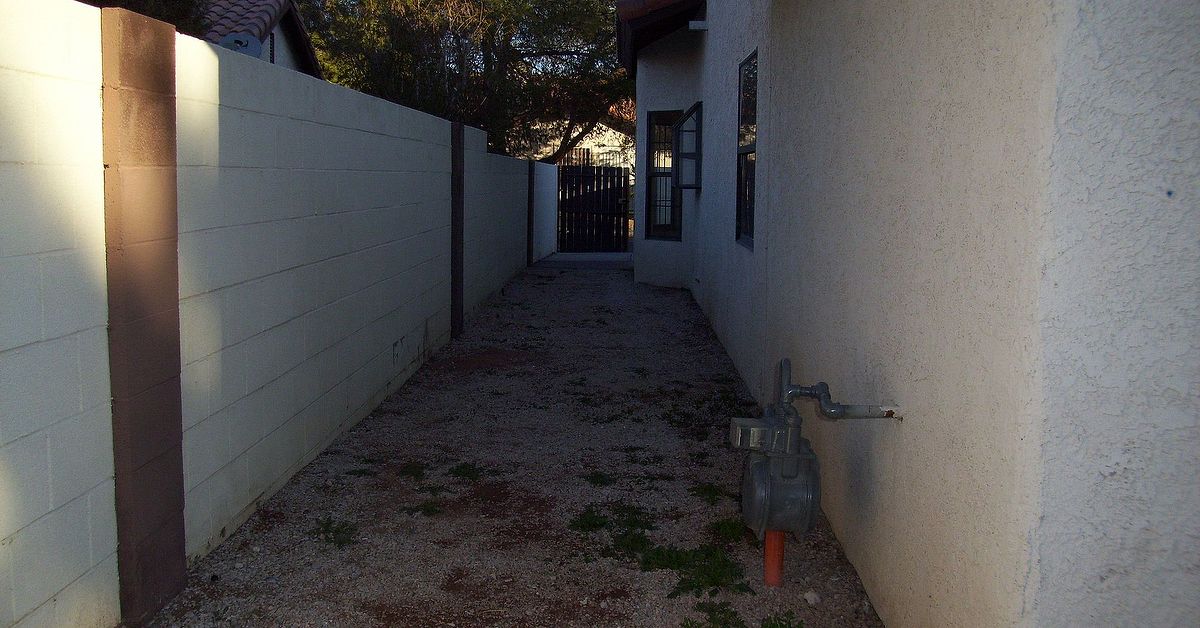
A narrow side yard is often treated like the awkward hallway of the landscape: necessary, overlooked, and usually occupied by a trash bin that has seen things. Yet this slender strip between a house and a fence can become one of the hardest-working areas on the property.
With thoughtful planning, a cramped side passage can serve as a polished garden path, a private courtyard, a utility zone, an edible garden, or a rain-friendly landscape. The secret is not squeezing more objects into the space. It is giving every square foot a clear purpose while protecting drainage, access, airflow, and maintenance routes.
This guide explores practical narrow side yard ideas for American homes, including layout planning, paving, shade-tolerant plants, vertical gardening, privacy, lighting, storage, drainage, and lessons learned from real-world projects.
Start With Function, Not Flowers
Before buying pavers or falling emotionally in love with a climbing rose, decide what the side yard must accomplish. A beautiful design that blocks the air conditioner or makes it impossible to roll out the garbage cart is not a successful design. It is decorative sabotage.
Common functions for a narrow side yard include:
- Connecting the front and back yards
- Providing access for trash, recycling, bicycles, or lawn equipment
- Creating a secondary entrance
- Hiding utilities without blocking service access
- Managing roof runoff and standing water
- Growing herbs, vegetables, vines, or shade plants
- Adding privacy between neighboring homes
- Creating a quiet sitting or reading area
Choose one primary use and, at most, one or two supporting uses. Trying to install a walkway, vegetable farm, dining terrace, koi pond, storage shed, and meditation retreat in a six-foot-wide corridor will produce something less like a garden and more like an outdoor obstacle course.
Measure the Entire Passage
Measure the width at several points rather than assuming the gap is uniform. Record doors, gates, windows, hose connections, downspouts, utility meters, air-conditioning equipment, roof overhangs, crawl-space openings, and changes in grade.
Test the route with the largest item that regularly travels through it. That might be a wheelbarrow, mower, trash cart, stroller, or bicycle. Many residential paths feel comfortable at roughly three feet wide, but the right clearance depends on how the route is used and whether local building or accessibility requirements apply.
Before digging postholes, trenches, drains, or planting pits, contact 811 so underground utilities can be located. Also check local rules for fences, gates, drainage changes, easements, and structures near property lines.
Understand the Side Yard Microclimate
A narrow side yard creates its own microclimate. The house and fence may block direct sunlight, reduce wind, trap moisture, or reflect intense afternoon heat. Conditions can change dramatically within a few feet.
Track Sunlight
Observe the area in the morning, at midday, and in late afternoon. Repeat the process in more than one season when possible. A passage that looks completely shaded in spring may receive several hours of hot summer sun as the sun angle changes.
Classify each section as full sun, partial sun, bright shade, or deep shade. Plant labels are helpful, but the actual conditions in the yard matter more than the optimistic little photograph attached to the nursery pot.
Check Soil and Moisture
Side yards frequently suffer from compacted construction soil, poor drainage, and roof runoff. After rainfall, look for puddles, erosion channels, wet foundation walls, or soil that remains soggy for several days.
Water should move away from the foundation rather than collect beside it. Do not casually add soil or edging that traps moisture against siding, vents, or masonry. Persistent water problems may require regrading, downspout changes, a properly designed drain, or advice from a drainage professional.
A soil test can also identify pH, nutrient levels, and amendment needs. Improving the soil according to actual test results is usually more effective than applying a random parade of fertilizers and hoping the plants appreciate the enthusiasm.
Choose a Simple Narrow Side Yard Layout
Strong, uncomplicated lines usually make a small landscape feel calmer and more spacious. Too many curves, materials, colors, and ornaments create visual clutter.
The Straight Connector
A direct path is ideal when the side yard is primarily a route between the front and back. Rectangular pavers, brick, gravel, or stepping stones can emphasize the length of the corridor. A narrow planting strip along one side softens the hardscape while preserving circulation.
Repeating one plant, such as a compact sedge, fern, or ornamental grass, creates rhythm and unity. Repetition is especially valuable in tight spaces because it allows the eye to travel smoothly instead of stopping at twelve unrelated plants competing for attention.
The Garden Journey
A slightly offset path can make a long side yard feel less like a service alley. Use gentle shifts rather than dramatic zigzags. A gate, arbor, specimen container, sculpture, or brightly painted door can serve as a destination at the far end.
Partially screening the final view also introduces curiosity. Visitors see enough to continue walking, but not the entire space at once. This simple design trick can make a modest passage feel longer and more layered.
The Pocket Courtyard
When the corridor widens near a door or at one end, create a tiny courtyard. A compact bench, wall-mounted folding table, or pair of slim chairs can turn an unused widening into a coffee spot.
Keep furniture scaled to the location. Deep lounge chairs may look magnificent online but become surprisingly less charming when everyone must climb over them to reach the backyard.
Select the Right Path Material
The best surface depends on drainage, budget, maintenance, architectural style, and traffic.
Permeable Pavers
Permeable paving systems allow water to move through joints and into a prepared base rather than immediately becoming runoff. They can provide a stable walking surface while supporting better stormwater management when correctly designed and installed.
Preparation matters. The excavation depth, aggregate base, edge restraint, soil infiltration, and overflow route must suit the site. Simply leaving large gaps between ordinary pavers does not automatically create a functioning permeable system.
Gravel
Gravel is affordable, adaptable, and visually soft. It works well in informal, cottage, Mediterranean, and contemporary landscapes. Install it over a compacted base with proper edging to reduce migration.
Avoid loose, round gravel where carts, wheelchairs, walkers, or bicycles require a smooth surface. Angular gravel tends to interlock more effectively, although it still needs occasional raking and replenishment.
Stepping Stones
Stepping stones preserve planting space and allow rain to reach the soil. Set each stone securely so it does not wobble. Position the centers at a comfortable walking interval and test the arrangement before final installation.
Large stones usually feel more stable and intentional than a string of tiny pavers that forces visitors to walk as though they are crossing a river during a team-building exercise.
Brick or Solid Paving
Brick and concrete create a clean, dependable route for heavy traffic. Their impervious surfaces, however, must be graded so water travels to an appropriate location rather than toward the house or neighboring property.
Use Vertical Space Wisely
When horizontal room is limited, the walls and fences become valuable garden territory. Trellises, wall planters, narrow espaliers, hanging containers, and columnar plants can provide greenery without consuming the walkway.
Trellises and Climbing Plants
A trellis can support flowering vines, edible crops, or lightweight screening plants. Mount structures with enough space for airflow and maintenance. Choose vines according to mature size and attachment method.
Some vines cling directly to surfaces with adhesive pads or rootlike structures. These may damage paint, wood, siding, mortar, gutters, or roof materials if allowed to grow unchecked. A freestanding trellis is often safer than allowing a vigorous vine to treat the house as an all-you-can-climb buffet.
Espaliered Fruit Trees
In sunny side yards, apples, pears, figs, or other regionally appropriate fruit trees may be trained flat against a support. Espalier saves space and can become a living architectural feature, but it requires regular pruning and training.
Select cultivars suited to the local climate and verify pollination needs. Keep roots and irrigation away from foundations and underground infrastructure.
Wall-Mounted Storage
Weather-resistant hooks, narrow shelves, and vertical racks can organize hoses, hand tools, and small garden equipment. Keep installations shallow and avoid blocking windows, meters, shutoff valves, electrical panels, or emergency exits.
Best Plants for a Narrow Side Yard
Plant selection should be based on climate, hardiness zone, sunlight, soil, drainage, mature dimensions, and local ecological conditions. Native plants are often valuable because they can support regional pollinators and wildlife while requiring less supplemental water once established.
Plants for Shady Side Yards
Depending on region and moisture levels, useful shade choices may include ferns, coral bells, foamflower, wild ginger, woodland phlox, hostas, hellebores, compact hydrangeas, sedges, and shade-tolerant native groundcovers.
Use foliage to provide interest when flowers are limited. Combine fine-textured sedges or ferns with broader leaves, then add variegated or light-colored foliage to brighten dark areas.
Plants for Sunny, Hot Passages
A south- or west-facing side yard can become surprisingly hot because walls and paving reflect heat. Suitable choices may include lavender, thyme, salvia, yarrow, catmint, compact ornamental grasses, sedum, dwarf conifers, and drought-tolerant native perennials.
Do not assume that every drought-tolerant plant enjoys reflected heat or restricted airflow. Match the plant to the complete set of conditions, not merely the number of sunlight hours.
Narrow and Columnar Plants
Columnar shrubs and small trees provide height without swallowing the passage. Options vary by region but may include slender hollies, narrow junipers, compact arborvitae, columnar serviceberries, dwarf conifers, and upright flowering shrubs.
Always research mature width. A shrub sold as “compact” may still grow six feet across, which is compact only when compared with its relative that intends to become a minor landmark.
Container Plants
Containers are useful where soil is poor, roots could threaten utilities, or the design needs flexibility. Use tall, narrow pots rather than wide bowls. Every container should have drainage holes, and the potting mix should suit the selected plants.
Containers dry faster than in-ground beds, particularly beside heat-reflecting walls. Drip irrigation or self-watering planters can simplify maintenance. Rolling platforms make larger pots easier to move for cleaning, service access, or seasonal protection.
Create Privacy Without Closing In the Space
A narrow side yard may sit directly beside neighboring windows, patios, or walkways. Privacy improvements should screen important views without turning the corridor into a dark tunnel.
Useful options include open-lattice panels, horizontal slat screens, trellises with restrained vines, translucent panels, and carefully selected upright shrubs. Screening a few specific sightlines is often more effective than building a continuous wall.
Check local fence-height and setback rules before construction. Maintain access to property lines, drainage infrastructure, utilities, and exterior walls. Leave enough airflow around plants and equipment to reduce moisture and maintenance problems.
Make Drainage Part of the Design
Drainage should be addressed before decorative planting. Roof runoff concentrated in a narrow strip can erode soil, flood a gate, undermine paving, or send water toward a foundation.
Possible strategies include:
- Redirecting downspouts to an appropriate planted area
- Installing permeable paving over a properly engineered base
- Using a shallow vegetated swale where space and grade permit
- Creating a dry creek bed that also serves as a visual feature
- Adding a rain barrel with a safe overflow route
- Selecting plants adapted to periodically wet soil
- Consulting a professional for French drains or major regrading
A rain garden is not suitable for every narrow side yard. It needs adequate room, appropriate soil infiltration, safe separation from structures and utilities, and a controlled overflow path. Never direct runoff onto neighboring property or into an area where it can damage the house.
Add Safe, Subtle Lighting
Side-yard lighting should make gates, steps, changes in elevation, and path edges easy to see. It does not need to make the passage visible from the International Space Station.
Use shielded, downward-directed fixtures to reduce glare. Low-voltage path lights, step lights, and motion-activated wall fixtures are practical choices. Lighting the edge of a route can improve nighttime navigation while preserving a comfortable atmosphere.
Choose outdoor-rated fixtures and protect cables from gardening tools and foot traffic. Timers, photocells, and motion sensors help ensure lights operate only when needed.
Smart Narrow Side Yard Uses
A Compact Edible Garden
A sunny passage can support herbs, greens, strawberries, peppers, dwarf tomatoes, or trellised beans and cucumbers. Use slim raised beds, railing planters, or large containers. Position taller crops so they do not shade shorter plants unnecessarily.
A Potting and Work Zone
A fold-down work surface, pegboard, narrow cabinet, and hose station can create an efficient gardening area. Use closed storage for fertilizers and tools, especially around children and pets.
A Pet Run
A side yard may become a secure pet route or relief area. Choose paw-friendly paving, avoid toxic plants, provide shade and water, and design drainage for easy cleaning. Confirm that gates latch securely and that gaps cannot become escape routes.
A Calm Garden Passage
For a more peaceful design, combine a simple path with repeating foliage, one focal container, subtle lighting, and a restrained color palette. Fragrant plants near a doorway can add sensory interest without filling the entire space.
Mistakes That Make a Narrow Side Yard Worse
- Planting before solving drainage: Decorative mulch cannot negotiate with standing water.
- Choosing plants by nursery size: Research mature height and width.
- Blocking utility access: Keep meters, panels, condensers, and shutoffs serviceable.
- Using too many materials: One paving material and a limited plant palette usually feel more spacious.
- Installing unstable stepping stones: Every walking surface should remain level and secure.
- Ignoring maintenance access: Leave room to clean siding, prune plants, move carts, and repair fences.
- Overlighting the passage: Glare can make a small corridor feel harsher and less inviting.
- Directing water elsewhere: Moving a drainage problem to the neighbor’s yard is not a drainage solution.
Experiences and Lessons From Narrow Side Yard Projects
The most successful side-yard transformations often begin with a less glamorous phase: observing rain, moving trash carts, checking doors, and discovering where the internet cable was buried. Homeowners who skip this phase commonly spend money twicefirst on the attractive version and later on the version that actually works.
Consider a representative six-foot-wide passage between a suburban home and a wooden fence. The original space contained patchy grass, a downspout, two trash carts, and several shrubs planted by a previous owner. The shrubs looked small when installed but had grown into the walking route. Every rainy week created mud near the gate, and dragging the carts through the area felt like entering a low-budget adventure movie.
The first improvement was not planting. It was mapping the route and watching a heavy rainstorm. Water was leaving the downspout, crossing the compacted soil, and collecting at the lowest point beside the gate. The homeowners extended the downspout toward an approved drainage area and had the grade corrected. Once the water problem was controlled, the rest of the project became much simpler.
A straight path of large, securely set pavers was installed with a permeable aggregate strip beside it. The homeowners tested the spacing by walking the layout before construction. This prevented a surprisingly common mistake: setting stones according to how they look from above rather than how human legs actually move.
Instead of planting both sides of the corridor, they kept one side clear for circulation and created a narrow bed along the fence. Repeating groups of sedges and ferns gave the shaded area a unified appearance. A trellis at the rear supported a restrained flowering vine, creating a focal point without covering the house.
The trash carts remained in the side yard, but a simple slatted screen concealed them from the front. The screen stopped below the roofline and did not interfere with airflow or access. Hooks for a hose and hand tools were mounted farther down the fence, reducing ground-level clutter.
The biggest lesson from this type of project is that empty space is useful. Homeowners are often tempted to fill every gap with a pot, statue, shelf, or plant. In a narrow yard, however, visual breathing room makes the landscape feel larger and keeps daily tasks easy.
Another lesson involves maintenance. Fast-growing vines and shrubs can provide quick privacy, but quick growth does not clock out once the desired height is reached. It keeps growing over gates, through fences, around gutters, and occasionally toward neighboring civilizations. Slower-growing or naturally narrow plants often provide a better long-term result.
Lighting also benefits from restraint. In one common scenario, homeowners install a row of bright solar fixtures only to discover that the glare shines through bedroom windows and highlights every dust particle on the fence. A few shielded fixtures placed at the gate, steps, and changes in direction usually provide better visibility with less visual noise.
Finally, narrow side yards tend to improve gradually. Plants establish, drainage patterns become clearer, and actual traffic reveals what works. Beginning with the path, water management, and one coherent planting group allows the design to evolve without expensive demolition. A well-planned side yard may never be the largest part of the property, but it can become the part that quietly solves the most problems.
Conclusion
A narrow side yard does not need to remain a forgotten strip of mud, weeds, and apologetic trash cans. By prioritizing function, drainage, circulation, scale, and mature plant size, homeowners can create a passage that looks intentional and works every day.
Use a simple layout, repeat a limited group of plants, take advantage of vertical surfaces, and preserve access to utilities and exterior walls. Whether the finished space becomes a garden walkway, edible corridor, pet run, storage zone, or miniature courtyard, the strongest design will make the area easier to usenot merely more crowded with attractive objects.
Editorial note: Plant suitability, fence regulations, drainage standards, accessibility requirements, and utility clearances vary by location. Verify local codes, contact 811 before excavation, follow equipment manufacturers’ clearance instructions, and consult qualified professionals when changing grades or installing drainage systems. The guidance in this article was synthesized from U.S. EPA resources, university extension publications, landscape-design organizations, and established American home-and-garden publications.