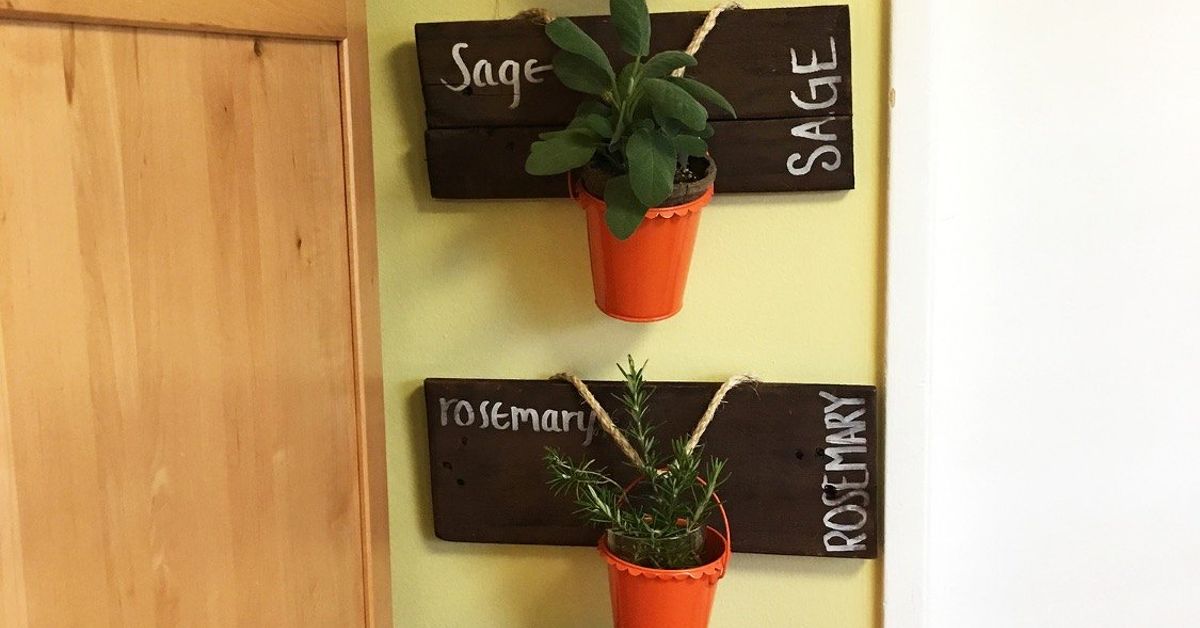
Some kitchen upgrades shout for attention: marble islands, brass faucets, refrigerator doors that look like they belong on a spaceship. A new type of kitchen spice rack, however, does something quieter and arguably more heroic: it helps you find the cumin before your onions burn.
Why the Kitchen Spice Rack Needed a Makeover
For decades, the typical spice rack was a tiny wooden staircase tucked into a cabinet, a carousel on the counter, or a wall-mounted shelf that proudly displayed paprika, oregano, and one mysterious jar labeled “seasoning” from the previous administration. It workedsort of. But modern cooking habits have changed. Home cooks use more global ingredients, smaller kitchens need smarter storage, and open countertops are treated like premium real estate.
The new type of kitchen spice rack is not just a place to park jars. It is a miniature organization system designed around visibility, freshness, reach, and flexibility. Instead of asking, “Where can I shove these bottles?” the better question is, “How do I cook faster, waste less, and stop buying cinnamon for the fourth time because the other three are hiding behind the chili flakes?”
That is where modern spice organizers come in. Today’s best designs include pull-out spice racks, magnetic spice racks, drawer spice organizers, tiered cabinet inserts, rotating turntables, wall-mounted rails, door-mounted shelves, and modular systems that can be customized to fit your kitchen instead of forcing your kitchen to surrender.
What Makes a Spice Rack “New”?
A new kitchen spice rack is less about looking futuristic and more about solving old problems in a smarter way. It should make every jar easy to see, protect spices from heat and moisture, use awkward spaces efficiently, and allow the cook to grab what they need with one hand while the other hand is busy saving dinner.
1. It Uses Vertical Space Without Creating Chaos
Modern kitchen storage is all about using vertical zones wisely. A magnetic spice rack on the side of a refrigerator can turn a blank metal panel into a practical flavor station. A slim wall-mounted rack can free up cabinet shelves. A door-mounted spice organizer can make use of the inside of a pantry or cabinet door, which is often ignored even though it is basically storage space wearing a disguise.
2. It Makes Labels Visible
A spice rack is only helpful if you can read the labels. Newer drawer inserts tilt jars upward so the label faces you. Pull-out cabinet racks bring bottles forward instead of forcing you to crouch, squint, and perform archaeology in the back of the cabinet. Tiered racks create stadium seating for spices, giving coriander and cayenne the VIP view they deserve.
3. It Protects Flavor
Spices may look tough, but their aroma compounds are surprisingly delicate. Heat, light, air, and moisture are the villains. A beautiful spice rack directly above the stove might look charming in photos, but it can slowly sabotage flavor. The smartest new spice rack is positioned close enough for convenience but far enough from heat, steam, and sunlight to keep herbs and spices fresher longer.
4. It Adapts to Real Kitchens
Not every kitchen has a walk-in pantry or a drawer wide enough for 40 matching glass jars. Some kitchens are compact apartments with three cabinets, a hopeful toaster, and no room for emotional baggage. The new generation of spice racks responds with modular shelves, expandable trays, adjustable dividers, magnetic attachments, and stackable components.
The Most Useful New Types of Kitchen Spice Rack
Pull-Out Spice Rack
A pull-out spice rack is one of the most practical choices for remodeled kitchens or anyone adding cabinet inserts. It usually fits into a narrow base cabinet and slides forward like a tiny pantry on rails. The advantage is obvious: every jar comes to you. No more reaching into the dark cabinet abyss where the nutmeg has been living rent-free since 2018.
This style works especially well beside a prep zone, not directly beside extreme heat. It can hold spices, oils, vinegars, baking extracts, or small condiment bottles. For serious home cooks, a pull-out rack creates a professional-feeling workflow: chop, season, stir, taste, repeat.
Drawer Spice Organizer
The drawer spice organizer is probably the cleanest-looking solution. Instead of displaying jars, it hides them in a drawer while keeping them readable. Angled shelves or stepped inserts allow you to see every label at once. This is ideal for people who like minimalist counters and cabinets that do not resemble a spice avalanche waiting to happen.
Drawer systems are also excellent for freshness because spices stay away from sunlight. If the drawer is not directly under a cooktop or next to a dishwasher, it can be one of the best locations in the kitchen. The only catch is height: measure your jars and drawer depth before buying. Nothing ruins a storage fantasy faster than discovering your cinnamon stands one-quarter inch too tall.
Magnetic Spice Rack
The magnetic spice rack is the small-space superstar. It attaches to steel surfaces such as the side of a refrigerator, a metal backsplash, or a magnetic wall panel. Some versions use shelves, while others use magnetic tins or jars that stick directly to a surface.
The big advantage is that magnetic systems create storage out of thin air. They are also renter-friendly when they do not require drilling. However, they should be used thoughtfully. Avoid placing magnetic spices right beside a hot range or in direct sunlight. Also, make sure the magnets are strong enough for the weight of full jars. Gravity is not sentimental.
Rotating Spice Rack or Turntable
A rotating spice rack, also known as a lazy Susan, remains popular because it solves one of the oldest cabinet problems: things disappear in the back. With a spin, the back becomes the front. This works beautifully for corner cabinets, deep shelves, and pantries where bottles tend to gather like introverts at a party.
Newer turntables often include non-slip surfaces, raised edges, handles, or rectangular sliding designs for cabinets that do not love circles. They are less ideal for very tall bottles unless the sides are high enough to prevent tipping.
Tiered Cabinet Spice Rack
The tiered spice rack is simple, affordable, and surprisingly effective. It creates levels inside a cabinet so labels are easier to read. This is a good option for beginners, renters, and anyone who wants better spice organization without remodeling anything or buying a drill.
The weakness of tiered racks is that jars in the back can still be hard to grab if the cabinet shelf is high. They work best at eye level or in shallow cabinets. For deep cabinets, a pull-out or turntable may be more practical.
Door-Mounted Spice Rack
A door-mounted spice rack is a clever way to use the inside of a pantry or cabinet door. It keeps spices visible and frees up shelf space. This option works best with lightweight jars and sturdy doors. Before installing, check that the door can close properly and that the rack does not bump into shelves. The goal is organization, not a spice-themed percussion instrument every time you shut the cabinet.
Modular Spice Storage System
The most advanced new type of kitchen spice rack is modular. It may include adjustable dividers, removable bins, customizable labels, stackable trays, and parts that can move as your collection grows. Modular systems are perfect for cooks who buy spices in different jar shapes and sizes. They are also helpful for families who cook multiple cuisines and need separate zones for baking spices, grilling blends, curry ingredients, taco night essentials, and “things we bought for one recipe but now must justify.”
How to Choose the Best New Spice Rack for Your Kitchen
Start With Your Cooking Style
If you cook daily, choose a rack that makes your top 15 spices extremely easy to reach. If you bake often, create a separate baking section for cinnamon, nutmeg, cloves, ginger, cardamom, and extracts. If you love international cooking, organize by cuisine or flavor family: Mediterranean herbs, Indian spices, Mexican seasonings, East Asian aromatics, and barbecue blends.
Measure Before You Buy
This sounds boring because it is. It is also necessary. Measure cabinet width, drawer depth, shelf height, door clearance, refrigerator side space, and the size of your spice jars. A spice rack that almost fits is not a spice rack; it is a future return label.
Prioritize Visibility
The best spice storage ideas make labels readable at a glance. Alphabetical order is useful, but visibility matters more. If you cannot see the jar, you will not use it. If you do not use it, it will slowly become decorative dust with a lid.
Think About Freshness
Choose a spot away from heat, sunlight, steam, and humidity. A cabinet or drawer away from the stove, dishwasher, sink, and microwave is often ideal. Airtight containers help preserve aroma, and labels with purchase dates can prevent the classic “Is this still good?” sniff test from becoming a family ritual.
Match Materials to Your Kitchen
Bamboo and wood racks feel warm and natural. Metal racks are durable and modern. Clear acrylic looks clean but may expose spices to more light if used in open areas. Plastic is lightweight and affordable. Glass jars look beautiful, but they need a darker storage spot if they are transparent. There is no single perfect material; there is only the right match for your space, budget, and tolerance for dusting tiny surfaces.
Smart Organization Methods for a Modern Spice Rack
Alphabetical Organization
Alphabetical order is the classic system. Basil before bay leaves, cumin before curry powder, paprika before parsley. It is easy to maintain if everyone in the home agrees to follow it. If not, it may collapse by Thursday.
Frequency-Based Organization
This method places everyday spices in the easiest-access zone. Salt, pepper, garlic powder, chili flakes, cinnamon, cumin, oregano, and paprika might live in the front. Rarely used spices can move to the back or a secondary rack. This is practical because kitchens are for cooking, not passing a filing exam.
Cuisine-Based Organization
Cuisine-based storage is excellent for adventurous cooks. Group Italian herbs together, keep taco-night spices in one zone, and place curry spices in another. You can even create small bins labeled “baking,” “grilling,” “soups,” and “weeknight rescue squad.”
Container-Based Organization
Decanting spices into matching jars creates a clean, high-end look. It can also make drawer storage easier because every jar has the same shape. However, it requires discipline. Add labels, include purchase or refill dates, and avoid decanting more than you can realistically use. A spice rack should make your life easier, not assign you a part-time job in tiny bottle management.
Common Mistakes to Avoid
Storing Spices Above the Stove
It looks convenient, but the heat and steam from cooking can weaken flavor faster. Keep spices near the cooking zone, but not directly above or beside intense heat.
Buying a Rack Before Editing Your Collection
Before shopping, remove every spice from the cabinet. Check dates, smell them, look for clumping, and toss anything that has lost its aroma. Then count what remains. Buying a rack before editing is like buying a suitcase before deciding whether you are packing for a weekend or relocating to another continent.
Ignoring Jar Shapes
Some racks fit standard round jars but struggle with square bottles, tall grinders, bulk bags, and wide seasoning blends. If your spice collection looks like a family reunion of mismatched containers, choose adjustable storage.
Choosing Beauty Over Access
A gorgeous rack that makes spices hard to reach is just kitchen jewelry. Pretty is welcome, but function pays the rent.
Best Placement Ideas for a New Kitchen Spice Rack
The best placement depends on your kitchen layout. A drawer near the prep counter is ideal for cooks who season while chopping. A pull-out cabinet near the main work triangle is helpful for larger collections. A magnetic rack on the refrigerator works well in compact kitchens. A pantry door rack is great when cabinet shelves are already full. A countertop rotating rack is convenient if you cook often and have enough counter space.
One useful strategy is to divide spices into two groups: daily drivers and backup inventory. Keep your most-used jars in the most accessible rack. Store refills, bulk bags, and rarely used spices in a cool pantry bin. This prevents the main spice rack from becoming overcrowded while still keeping everything available.
Experience Section: Living With a New Type of Kitchen Spice Rack
The real test of a new kitchen spice rack is not how it looks on installation day. Everything looks good on installation day. Even a junk drawer can look confident for the first twelve minutes after you organize it. The real test happens on a busy Tuesday evening when pasta is boiling, someone asks where the homework folder went, and you are trying to remember whether smoked paprika is the one with the red lid or the jar that says “paprika” in letters too small for human civilization.
In daily use, the biggest difference is speed. A drawer spice organizer, for example, can reduce the tiny but irritating delays that happen when spices are stacked three rows deep. Instead of lifting five jars to find one, you open the drawer and scan the labels. It feels small, but cooking is made of small actions. Saving ten seconds here and twenty seconds there can make dinner feel calmer.
A magnetic spice rack has a different kind of magic. In a small kitchen, it can feel like discovering a secret room. The side of the refrigerator suddenly becomes useful. The best experience comes when the rack holds only high-frequency spices, not every seasoning you own. Garlic powder, red pepper flakes, Italian seasoning, cumin, cinnamon, and black pepper can live there comfortably. Rare spices should stay elsewhere. When the magnetic rack gets too crowded, it starts to look less like smart storage and more like the refrigerator is wearing a spice backpack.
A pull-out spice rack offers the most satisfying motion. There is something deeply pleasing about sliding out a narrow cabinet and seeing every jar lined up like a tiny culinary library. This style is especially helpful for people who cook often and own a medium-to-large spice collection. The experience improves when jars are arranged by use: everyday spices at eye level, baking spices together, and less-used blends toward the bottom. The only warning is to avoid overloading it with bottles that are too tall, too wide, or too heavy for the rails.
The rotating turntable remains the friendly classic. It is not flashy, but it works. The best experience comes from using one turntable per category. One for spices, one for oils, one for sauces, or one for baking extras. When everything goes on one giant spinner, the convenience fades. Suddenly you are rotating past vanilla, sesame oil, taco seasoning, cake sprinkles, and a jar of capers with the emotional energy of a game show contestant.
After using any new spice rack for a few weeks, one habit becomes clear: labels matter more than perfection. Matching jars are beautiful, but readable labels are what keep the system alive. Front labels work for shelves. Top labels work for drawers. Date labels help with freshness. A label maker is useful, but painter’s tape and a marker can also do the job. The goal is not to impress a magazine photographer. The goal is to cook without muttering, “I know we have turmeric somewhere.”
The best experience also comes from editing. A spice rack should not be a museum of past ambitions. If you bought fenugreek for one recipe five years ago and have not used it since, it may be time to let it retire with dignity. Keep what you use, replace what has gone flat, and avoid buying giant containers unless you truly cook with that spice often. Fresh, organized spices make meals taste better and make the kitchen feel more inviting.
In the end, a new type of kitchen spice rack changes more than storage. It changes the rhythm of cooking. You reach faster, season more confidently, and waste less. You stop buying duplicates. You rediscover spices you forgot you owned. You may even become the kind of person who says, “I organized the coriander,” which is a sentence that sounds absurd until your kitchen finally works.
Conclusion: The Spice Rack Has Grown Up
The new type of kitchen spice rack is not one single invention. It is a smarter way of thinking about spice storage. It blends space-saving design, easy visibility, freshness protection, and flexible organization. Whether you choose a pull-out spice rack, magnetic spice rack, drawer spice organizer, turntable, tiered shelf, or modular system, the goal is the same: make cooking easier and make your kitchen feel less chaotic.
A great spice rack does not need to be expensive or dramatic. It simply needs to fit your space, protect your ingredients, and help you find the right flavor at the right moment. Because when the garlic is sizzling and the recipe calls for cumin, nobody wants to negotiate with a cabinet full of tiny bottles.
SEO Tags
Note: This HTML body is written for web publishing in standard American English, with no source-link blocks, no citation placeholders, and no unnecessary generated-reference elements.