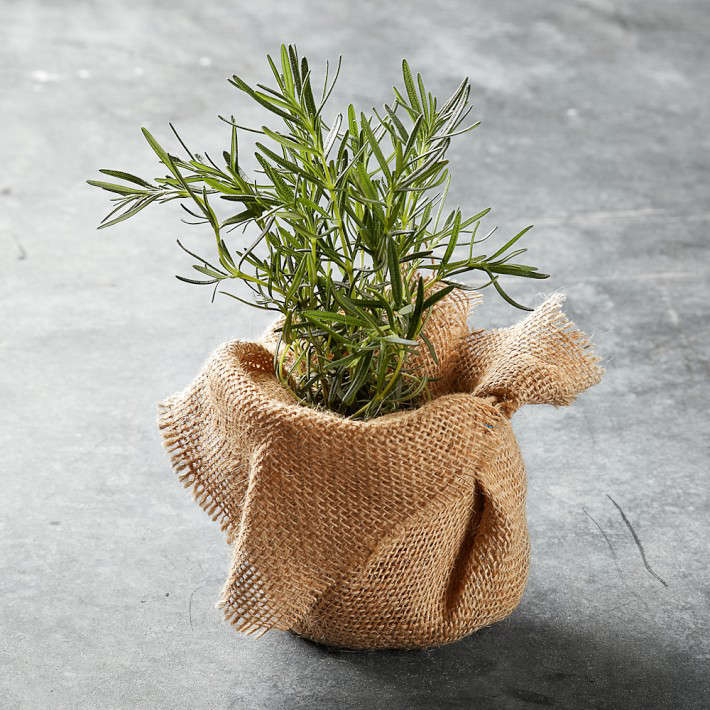
Organic Tuscan Blue Rosemary is the kind of plant that makes a gardener look suspiciously talented. It stands upright like a tiny Mediterranean evergreen, smells like a roasted potato had a spa day, flowers in shades of blue, attracts bees, tolerates drought, and still finds time to improve dinner. Not bad for a shrub that asks mostly for sunshine, drainage, and the basic human decency of not being drowned.
Known botanically as Salvia rosmarinus and formerly classified as Rosmarinus officinalis, rosemary is a woody perennial herb native to the Mediterranean region. The cultivar known as Tuscan Blue is especially prized for its upright growth, broad aromatic leaves, blue flowers, and strong culinary personality. It is commonly grown as a kitchen herb, landscape shrub, container plant, low hedge, pollinator-friendly ornamental, and fragrant patio companion.
When grown organically, Tuscan Blue rosemary becomes even more appealing. Organic growing focuses on healthy soil, natural pest management, biodiversity, and avoiding prohibited synthetic inputs. In other words, the plant gets to live its best rosemary life without turning the garden into a chemistry lab. Whether you want a handsome evergreen for a sunny border, fresh sprigs for roasted chicken, or a drought-tolerant herb that does not faint at the first sign of summer, Organic Tuscan Blue Rosemary deserves a prime spot in the garden.
What Is Organic Tuscan Blue Rosemary?
Tuscan Blue rosemary is an upright rosemary cultivar known for its tall, structured habit and richly aromatic foliage. Unlike trailing rosemary varieties that spill over walls or containers, Tuscan Blue grows vertically with sturdy stems. In warm climates, mature plants may become impressive shrubs, often reaching several feet tall when grown in the ground and pruned well. Its blue to lavender-blue flowers appear mainly in cool-season or spring conditions, depending on the climate, and they are attractive to bees and other pollinators.
The word “organic” can mean two slightly different things in common garden talk. If you buy a plant labeled USDA Organic, that label must follow federal organic rules and certification standards. If you grow Tuscan Blue rosemary organically at home, you are using organic methods: compost, mulching, natural soil improvement, mechanical weed control, careful watering, and pest management that avoids harsh synthetic chemicals. Both approaches support a healthier garden ecosystem.
For home gardeners, the key idea is simple: start with clean planting practices, give the rosemary the conditions it naturally prefers, and do not overcomplicate things. Rosemary evolved in lean, sunny, rocky environments. It is not a plant that wants constant fussing. Treat it like a Mediterranean guest, not a tropical houseplant. Give it sun, air, and well-drained soil, then step back and let it show off.
Why Gardeners Love Tuscan Blue Rosemary
It Has a Strong Upright Shape
Tuscan Blue rosemary is popular because it grows with a naturally vertical form. This makes it excellent for herb gardens, formal borders, edible landscaping, patio pots, and low screens. It can be clipped into a tidy shape, trained as a small topiary, or allowed to grow into a relaxed, aromatic shrub. Its structure gives a garden visual order without looking stiff or boring.
It Is Excellent in the Kitchen
The leaves have the classic rosemary flavor: piney, resinous, savory, and slightly peppery. Tuscan Blue is especially useful with roasted potatoes, focaccia, grilled vegetables, lamb, poultry, beans, soups, stews, and infused olive oil. A little goes a long way, which is polite of it. Rosemary is flavorful enough to transform a dish, but strong enough to remind you not to dump in handfuls like confetti.
It Supports Pollinators
Rosemary flowers may be small, but bees notice them immediately. In mild climates, rosemary can bloom during seasons when fewer plants are flowering, making it a valuable nectar source. The blue flowers also soften the plant’s evergreen foliage, creating a beautiful contrast in herb beds and mixed borders.
It Handles Dry Conditions
Once established, Tuscan Blue rosemary is drought tolerant. That does not mean it never needs water, especially when newly planted or container-grown. But compared with thirsty annual herbs, rosemary is wonderfully low drama. It prefers deep, occasional watering rather than frequent shallow watering.
Best Growing Conditions for Organic Tuscan Blue Rosemary
Sunlight
Plant Tuscan Blue rosemary in full sun whenever possible. Aim for at least six hours of direct sunlight per day. More sun generally means stronger growth, better fragrance, denser foliage, and fewer fungal problems. In hot desert climates, light afternoon shade may help reduce stress, but in most regions, full sun is the rosemary sweet spot.
Soil
Drainage matters more than richness. Tuscan Blue rosemary prefers light, well-drained soil that leans slightly acidic to neutral. Heavy clay, compacted beds, and soggy low spots are trouble. If your garden soil drains slowly, use a raised bed, mound the planting area, or grow rosemary in a container. Organic compost can improve soil structure, but do not create an overly rich, water-holding mix. Rosemary likes comfort, not luxury.
Water
Water new plants regularly until the root system is established. After that, allow the soil to dry somewhat between waterings. Rosemary is much more likely to suffer from overwatering than underwatering. Root rot is the villain in this story, and it usually enters wearing the costume of “just one more watering.” For container plants, check the top inch or two of soil before watering and make sure excess water drains freely.
Air Circulation
Good airflow helps prevent powdery mildew and other fungal issues. Avoid crowding Tuscan Blue rosemary between dense plants that block air movement. Space plants generously, prune lightly when needed, and avoid overhead watering late in the day.
How to Plant Organic Tuscan Blue Rosemary
The easiest way to grow Tuscan Blue rosemary is from a young nursery plant rather than seed. Rosemary seeds can be slow and unreliable, and named cultivars may not come true from seed. Buying a healthy starter plant gives you a faster, more predictable result.
Planting in the Ground
Choose a sunny site with excellent drainage. Dig a hole about as deep as the nursery pot and slightly wider. Gently loosen the roots if they are circling, place the plant at the same depth it was growing in the container, and backfill with native soil improved lightly with compost if needed. Water deeply after planting, then let the soil begin to dry before watering again.
Planting in Containers
Containers are ideal for patios, balconies, small gardens, and colder regions where rosemary must be moved indoors for winter. Choose a pot with drainage holes. Terra-cotta is a strong choice because it breathes and dries more quickly than plastic. Use a loose, well-draining organic potting mix. If the mix feels heavy, blend in perlite, pumice, or coarse sand to improve drainage.
Spacing
Give Tuscan Blue rosemary room to grow. In garden beds, spacing plants two to three feet apart is a practical starting point, though mature shrubs in mild climates may eventually need more space. Good spacing also improves airflow and makes harvesting easier.
Organic Care Tips for Healthy Growth
Feed Lightly
Rosemary is not a heavy feeder. Too much fertilizer can produce soft growth and reduce the intensity of fragrance. For organic care, use compost sparingly or apply a mild organic herb fertilizer in spring if growth looks weak. Avoid heavy nitrogen feeding. This is rosemary, not a lawn.
Mulch Carefully
A light mineral mulch, such as gravel, can work well around rosemary because it helps keep the crown dry. Organic mulch can also be used, but keep it pulled back from the woody base of the plant to reduce moisture buildup. In cold climates, winter mulch may help protect roots, but it should not trap water around the stem.
Prune for Shape and Fresh Growth
Pruning keeps Tuscan Blue rosemary compact, bushy, and productive. Snip young green stems regularly for cooking, and lightly shape the plant after flowering or during active growth. Avoid cutting hard into old bare wood, because rosemary may not regrow well from leafless woody stems. As a general rule, never remove more than about one-third of the plant at one time.
Harvest the Right Way
Harvest sprigs by cutting just above a set of leaves or a branching point. This encourages fuller growth. Young, flexible stems are best for cooking. Older woody stems can be used as skewers for grilling vegetables or meat, which is both practical and charmingly rustic.
Common Problems and Organic Solutions
Root Rot
Root rot is the most common rosemary problem. Leaves may yellow, stems may wilt, and the plant may decline even though the soil seems moist. The solution is prevention: fast-draining soil, containers with holes, careful watering, and avoiding soggy locations. If a plant is already struggling, reduce watering and improve drainage immediately.
Powdery Mildew
Powdery mildew can appear when humidity is high and airflow is poor. Give plants more space, prune lightly, water at soil level, and place containers where they receive moving air and strong light. Organic gardeners can use labeled organic fungicides if necessary, but cultural prevention is usually the best strategy.
Aphids, Spider Mites, and Whiteflies
Rosemary is usually pest resistant, but indoor plants may attract pests. Inspect the undersides of leaves and tender tips. A strong rinse of water, insecticidal soap, or neem-based products labeled for herbs can help. Always follow label directions, especially if you plan to harvest the plant for cooking.
Growing Tuscan Blue Rosemary Indoors
Tuscan Blue rosemary can grow indoors, but it is not always thrilled about the arrangement. Indoors, the biggest challenges are low light, dry air, overwatering, and poor airflow. Place the plant in the brightest window available, ideally a south-facing window, or use a grow light. Keep the room cool rather than hot, and avoid placing the pot near heating vents.
Water only when the top layer of soil begins to dry, but do not let the entire root ball become bone dry for long periods. A pebble tray can slightly improve humidity around the plant without keeping the roots wet. If your indoor rosemary starts dropping leaves, browning at the tips, or looking thin, the issue is often a combination of low light and watering stress.
Overwintering Tuscan Blue Rosemary
In warm USDA zones, Tuscan Blue rosemary may remain outdoors year-round. In colder regions, it is safer to grow rosemary in a pot and bring it indoors before hard freezes. Rosemary is not reliably hardy in many cold-winter areas, especially where winter soil stays wet. Even cold-tolerant rosemary cultivars can fail if roots sit in soggy winter soil.
Before bringing a container indoors, inspect the plant for pests. Gradually transition it to indoor conditions if possible. Place it in bright light, reduce watering, and avoid fertilizing during the low-growth winter months. The goal is not to push lush growth in January. The goal is survival with dignity.
Cooking with Organic Tuscan Blue Rosemary
Fresh Tuscan Blue rosemary has a bold flavor, so use it with confidence but restraint. Finely chop the leaves before adding them to foods where whole needles would be unpleasant. Add whole sprigs to soups, stews, roasted vegetables, and braises, then remove them before serving. For grilled dishes, toss rosemary stems onto the coals or use woody stems as skewers to add aroma.
Simple Ways to Use It
- Chop into olive oil with garlic and lemon zest for a quick marinade.
- Add to roasted potatoes, carrots, squash, or mushrooms.
- Mix into bread dough, focaccia, or savory crackers.
- Infuse vinegar or olive oil for dressings.
- Pair with poultry, lamb, pork, white beans, lentils, and tomato-based soups.
- Add a tiny pinch to citrus desserts or shortbread for a surprising herbal note.
Dried rosemary is useful, but fresh rosemary has a brighter, more complex aroma. To dry it, hang small bundles upside down in a warm, airy place away from direct sun. Once dry, strip the leaves and store them in an airtight container. Crush dried leaves just before cooking to release more flavor.
Landscape Uses for Tuscan Blue Rosemary
Tuscan Blue rosemary is more than a kitchen herb. Its upright shape makes it a strong design plant. Use it in Mediterranean gardens, edible landscapes, cottage gardens, pollinator beds, rock gardens, and drought-tolerant borders. It pairs beautifully with lavender, thyme, sage, oregano, santolina, yarrow, ornamental grasses, and compact roses.
Near a walkway, Tuscan Blue rosemary releases fragrance when brushed. Near a patio, it provides year-round greenery. In a vegetable garden, it can help create structure and attract beneficial insects. In a container, it becomes a living centerpiece that can move from garden to kitchen with very little ceremony.
Buying Organic Tuscan Blue Rosemary
When shopping, look for a plant with sturdy stems, healthy green foliage, and no signs of pests. Avoid plants with yellowing leaves, soggy soil, or roots circling heavily around the pot. If the plant is marketed as certified organic, the seller should be able to support that claim according to organic labeling rules. If certification is not important to you, you can still grow the plant organically after purchase by using organic soil care and pest management practices.
Because Tuscan Blue is a named cultivar, buying a labeled nursery plant is the most reliable way to get the real thing. Cuttings from a known plant are another good option. Seeds labeled simply “rosemary” may grow into useful plants, but they may not be true Tuscan Blue.
Experience Section: Living with Organic Tuscan Blue Rosemary
The first thing you notice about Organic Tuscan Blue Rosemary is that it behaves like it has plans. Some herbs sprawl, sulk, bolt, wilt, or vanish dramatically after one hot weekend. Tuscan Blue stands there like a tiny green monument, quietly judging your watering habits. In a sunny container by the back door, it becomes the plant you reach for without thinking. Pasta needs help? Rosemary. Potatoes look bored? Rosemary. Chicken tastes like it filled out a tax form? Rosemary.
In real garden life, the biggest lesson is restraint. New gardeners often love their plants a little too aggressively. They water every morning, fertilize every week, and generally hover like anxious helicopter parents. Tuscan Blue rosemary prefers a more relaxed relationship. Once established, it rewards neglect better than fuss. A deep drink when the soil dries, a trim when stems get long, and plenty of sun are usually enough. The plant does not want a spa package; it wants drainage.
One of the best experiences is harvesting it on a warm afternoon. Run your fingers along the stems and the scent clings to your hands: pine, lemon, pepper, resin, sunshine, and dinner all at once. That fragrance is one reason rosemary feels more personal than many herbs. Basil is cheerful, parsley is useful, cilantro is controversial, but rosemary has presence. It smells like a hillside, a kitchen, and a holiday roast decided to collaborate.
In containers, Tuscan Blue rosemary is especially satisfying because it offers structure. A large terra-cotta pot with a single upright rosemary plant can make a patio look intentional, even if the rest of the outdoor space includes a folding chair, one sad tomato, and a hose pretending to be modern sculpture. The plant’s blue-green leaves pair well with clay, stone, gravel, and weathered wood. Add thyme or trailing oregano around the base, and suddenly the container looks like it belongs outside a Tuscan villa instead of next to the recycling bin.
Cooking with homegrown rosemary also changes how you use it. Store-bought sprigs are fine, but fresh-cut Tuscan Blue has a stronger connection to the meal. You step outside, clip two sprigs, and become the kind of person who “just grabs herbs from the garden.” This is a small but powerful upgrade to everyday cooking. Add finely chopped rosemary to olive oil, garlic, salt, and lemon, then toss it with potatoes before roasting. The result is simple, fragrant, and wildly better than the effort suggests.
There are also humbling moments. Bring rosemary indoors for winter and it may drop leaves just to remind you that the Mediterranean is not your living room. Forget to check drainage and it may yellow in protest. Plant it in heavy clay and it may decline with the quiet disappointment of a chef served instant noodles. But these mistakes teach quickly. Better light, better airflow, less water, and a grittier soil mix usually solve more problems than any fancy product.
Over time, Organic Tuscan Blue Rosemary becomes less like a seasonal herb and more like a garden companion. It feeds bees, perfumes the air, seasons meals, and gives the landscape year-round shape. It asks for the right spot rather than constant attention. That is its charm: it is beautiful, useful, tough, and just demanding enough to teach you how to garden better.
Conclusion
Organic Tuscan Blue Rosemary is one of the best herbs for gardeners who want beauty, flavor, fragrance, and resilience in one plant. Its upright form makes it useful in borders and containers, while its aromatic leaves bring bold Mediterranean flavor to the kitchen. With full sun, fast-draining soil, light feeding, careful watering, and sensible pruning, this rosemary cultivar can thrive with surprisingly little fuss.
For organic gardeners, Tuscan Blue rosemary fits naturally into a low-input, pollinator-friendly, water-wise garden. It does not need pampering. It needs the right conditions. Plant it where the sun is strong, keep its roots out of soggy soil, harvest regularly, and enjoy the small luxury of fresh rosemary whenever dinner calls. If herbs had résumés, Tuscan Blue would need a second page.