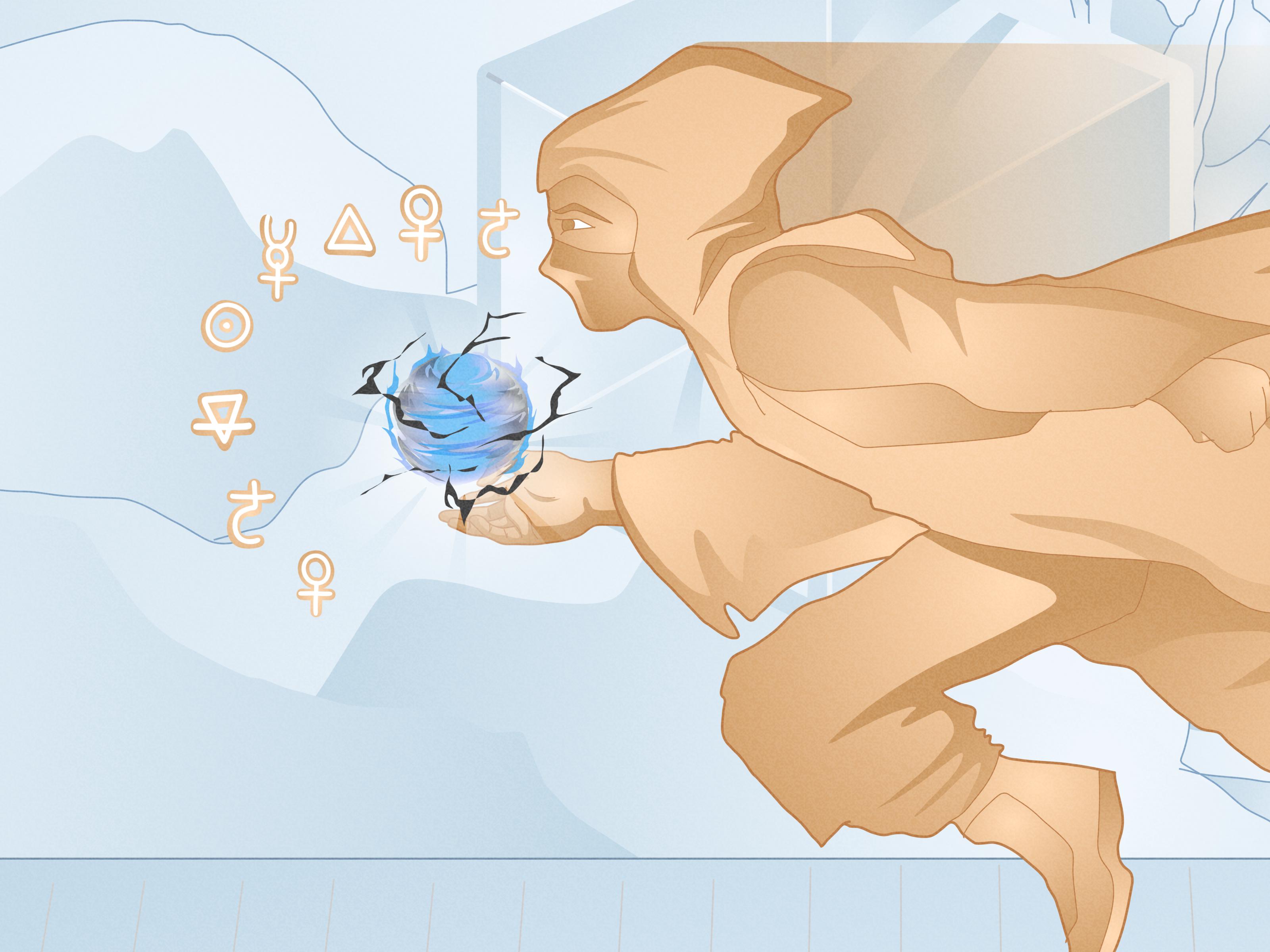
In Dungeons & Dragons 5e, a reaction is the game’s way of saying, “Wait, I have something for that.” It is not your full turn. It is not a bonus action. It is not a dramatic speech that takes twelve minutes while the goblin politely waits. A reaction is a quick response to a specific trigger, and when used well, it can save a character, stop an enemy, punish bad movement, or turn a normal combat round into a tactical masterpiece.
Reactions are easy to overlook because they do not appear every turn like attacks, spells, or movement. New players often forget they have them. Experienced players sometimes hoard them like rare museum snacks. But learning when to use reactions in D&D 5e is one of the fastest ways to improve your combat strategy. Whether you are blocking a hit with shield, making an opportunity attack, using counterspell, or readying an action for the perfect moment, reactions are small decisions with big consequences.
This guide explains how reactions work, when you get them back, what triggers them, and how players and Dungeon Masters can use them without slowing the game down. Grab your dice, check your spell list, and keep one eye on that enemy trying to leave your reach. They look suspiciously opportunity-attackable.
What Is a Reaction in D&D 5e?
A reaction is a special type of action taken in response to a trigger. That trigger must be defined by the rule, spell, feature, or situation allowing the reaction. In plain English: you do not simply decide to react because something dramatic happened. The game must give you permission.
For example, an opportunity attack is triggered when a hostile creature you can see moves out of your reach. The shield spell is triggered when you are hit by an attack or targeted by magic missile. The counterspell spell is triggered when you see a creature casting a spell within range. The Ready action lets you create your own trigger, such as “If the cultist opens the door, I shoot my crossbow.”
The most important rule is simple: you normally get only one reaction. Once you use it, you cannot take another reaction until the start of your next turn. That means every reaction is a choice. Do you spend it now to stop damage, or save it in case the enemy wizard starts casting something nasty? Do you strike the fleeing bandit, or hold your reaction for uncanny dodge? Reactions are where D&D 5e quietly becomes a game of tactical budgeting.
When Do You Get Your Reaction Back?
You regain your reaction at the start of your turn. This timing matters because a reaction can happen on your turn or on someone else’s turn. If you use a reaction before your turn begins, it refreshes when your turn starts. If you use a reaction during your own turn, you do not get another one until your next turn begins.
Here is a simple example. A fighter uses an opportunity attack against a goblin on the goblin’s turn. The fighter’s turn comes next. At the start of that turn, the fighter gets their reaction back. Later, during the same round, another monster runs away from the fighter. If the fighter has not used their refreshed reaction yet, they can make another opportunity attack.
Now flip it. A wizard uses shield during their own turn after provoking an opportunity attack. That reaction is gone until the start of the wizard’s next turn. If an enemy caster acts later in the round, the wizard cannot cast counterspell unless some special feature says otherwise. The wizard may now regret their life choices, which is a traditional part of wizard culture.
The Most Common Reaction: Opportunity Attacks
The opportunity attack is the classic D&D 5e reaction. It happens when a hostile creature you can see moves out of your reach. You use your reaction to make one melee attack against that creature, and the attack happens right before the creature leaves your reach.
This rule does several important things. First, it makes positioning matter. If enemies could freely run away from melee characters, frontline fighters, paladins, barbarians, and monks would have a much harder time controlling the battlefield. Second, it makes movement risky. A monster can still run, but it may pay for that decision with a well-timed sword swing, staff strike, or claw swipe.
What Does Not Trigger an Opportunity Attack?
Not every movement triggers an opportunity attack. A creature does not provoke one when it uses the Disengage action. Teleportation also avoids opportunity attacks because the creature is not physically moving out of reach in the normal way. Forced movement usually does not provoke either. If a spell, explosion, push, pull, or other outside effect moves a creature without using its movement, action, or reaction, it normally avoids provoking.
This is why smart players and DMs treat movement as more than “I walk over there.” A rogue may Disengage to slip away safely. A wizard may use misty step to vanish from danger. A monster might shove a hero away rather than walk past them. The battlefield is a chessboard, except the chess pieces are yelling, casting spells, and occasionally turning into bears.
Reach Weapons and Opportunity Attacks
Reach changes when opportunity attacks happen. If your weapon gives you a 10-foot reach, an enemy does not provoke simply by moving from 5 feet away to 10 feet away. They provoke when they leave your reach entirely. That means reach weapons can control a wider area, but the timing of the reaction shifts.
This can be excellent for characters built around battlefield control. A polearm user standing in a corridor can threaten a large zone. Combined with feats or class features that improve opportunity attacks, this can make enemies think twice before treating your character like a decorative traffic cone.
Reaction Spells: Small Casting Time, Big Impact
Some of the most famous defensive and tactical spells in D&D 5e use reactions. These spells are powerful because they interrupt the normal flow of events. They let a caster respond after seeing danger, instead of guessing ahead of time.
Shield
Shield is one of the most popular reaction spells in the game. When you are hit by an attack, you can cast it to gain a bonus to Armor Class until the start of your next turn, including against the triggering attack. This makes shield especially valuable when an attack barely hits you or when several enemies are about to swing at you before your next turn.
The key is timing. If the monster rolls far above your AC, shield may not help. If the attack barely connects, shield can turn a painful hit into a smug little “actually, no.”
Counterspell
Counterspell is the reaction spell that makes enemy spellcasters nervous. When you see a creature casting a spell within range, you can attempt to interrupt it. Used at the right time, counterspell can prevent a devastating control spell, a huge damage spell, or an escape spell from changing the entire encounter.
However, counterspell competes with other reactions. A wizard who uses shield early in the round cannot also use counterspell later unless they somehow regain or gain another reaction. This is why high-level caster duels often feel like poker. Everyone is watching, waiting, and silently asking, “Is that spell worth my reaction?”
Absorb Elements, Feather Fall, and Hellish Rebuke
Absorb elements helps reduce certain types of elemental damage and can empower a later melee attack. Feather fall can save a falling party from becoming a very sad pancake collection. Hellish rebuke lets certain characters punish a creature that damages them. Each of these spells has a specific trigger, and that trigger controls when the spell can be used.
The lesson is simple: reaction spells are not interchangeable panic buttons. Read the trigger carefully. If the trigger happens and your reaction is available, you can use the spell. If the trigger does not happen, or you already spent your reaction, the spell stays in your pocket, looking disappointed.
The Ready Action and Reactions
The Ready action is one of the most flexible ways to use your reaction. On your turn, you choose a perceivable trigger and decide what action you will take in response. When that trigger happens, you can use your reaction to perform the readied action.
For example, a ranger might say, “I ready an attack for when the goblin comes through the doorway.” A cleric might say, “If the vampire moves into the sunlight, I cast my spell.” A fighter might say, “If the enemy runs toward the wizard, I move to block the path.” The Ready action is useful when acting immediately is less valuable than acting at the right moment.
Ready Action Limitations
The Ready action is powerful, but it is not a free way to delay your entire turn. You ready one action or movement, not your full turn. You do not store your bonus action for later. You do not save your whole menu of options and casually order after everyone else. D&D combat is not a diner.
If you ready an attack, characters with Extra Attack should pay attention to the wording of their feature and table rules. In standard 5e interpretation, Extra Attack applies when you take the Attack action on your turn, so a readied attack made as a reaction usually allows only one attack. This makes the Ready action more attractive for rogues, spellcasters, and characters who need precise timing, and less efficient for martial characters who normally rely on multiple attacks.
Readying a Spell
Readying a spell has extra risk. You cast the spell on your turn and hold its energy until the trigger occurs. Holding that energy requires concentration. If your concentration breaks before you release the spell, the spell fizzles. If the trigger never happens, you may lose the spell slot anyway.
This makes readied spells dramatic but dangerous. It can be brilliant to ready a spell for when an enemy steps into view, but you are gambling your concentration, reaction, and spell slot. Sometimes that gamble wins the fight. Sometimes the goblin refuses to enter the doorway and you stand there glowing like a magical porch light.
Class Features That Use Reactions
Many class features use reactions, and these features often define a character’s combat identity. Rogues get Uncanny Dodge, which lets them reduce damage from an attack they can see. Fighters may use certain subclass features as reactions. Bards can use features such as Cutting Words, depending on subclass. Some monsters also have reactions in their stat blocks, making them more dangerous and dynamic.
The important point is that class reactions compete with opportunity attacks and reaction spells. A rogue who uses their reaction for an opportunity attack cannot use Uncanny Dodge until their reaction returns. A caster who uses counterspell cannot also cast shield later in the same round. A character with multiple tempting reaction options should think about priorities before combat gets chaotic.
How to Decide When to Use a Reaction
The best reaction is not always the first available reaction. Because you normally get only one, the decision should depend on the situation. Ask three questions: How dangerous is the current trigger? What might happen before my next turn? Is this reaction more valuable now than later?
If an enemy makes a weak attack against your heavily armored paladin, saving your reaction may be wise. If the dragon is about to breathe elemental damage and you have absorb elements, that reaction may be worth more than an opportunity attack against a minion. If the enemy wizard has not acted yet, a spellcaster may want to save their reaction for counterspell.
Players often improve dramatically once they stop treating reactions as automatic. Opportunity attack? Maybe. Shield? Maybe. Counterspell? Maybe. A smart reaction is not just legal; it is useful.
Tips for Players
Know Your Triggers Before Combat
Write down your reaction options and their triggers. If your character has shield, absorb elements, counterspell, opportunity attacks, and a subclass feature, you do not want to discover them while six people wait for you to read your character sheet. A simple note like “Reaction: shield when hit, counterspell when spell cast, opportunity attack when enemy leaves reach” can keep combat moving.
Do Not Spend Reactions Just Because You Can
A low-value opportunity attack may not be worth losing access to a defensive reaction. This is especially true for rogues, wizards, sorcerers, and anyone standing in the danger zone. Reactions are exciting, but so is surviving until your next turn.
Use Positioning to Create Better Reactions
Melee characters can stand where enemies must choose between staying put, attacking the wrong target, or provoking an opportunity attack. Casters can stay within counterspell range of enemy spellcasters while still avoiding obvious danger. Rogues can position themselves to threaten opportunity attacks with Sneak Attack potential, depending on turn timing and rules at the table.
Tips for Dungeon Masters
Announce Clear Triggers
DMs can make reactions smoother by describing events clearly. Say when a creature leaves a character’s reach. Mention when a visible enemy begins casting a spell. Clarify whether movement is voluntary, forced, or teleportation. These details help players know whether their reactions apply.
Let Monsters Use Reactions Too
Monsters with reactions feel smarter and more alive. A creature that parries, counters, lashes out, or protects an ally can surprise players without feeling unfair, as long as the reaction is in the stat block or clearly supported by the rules. Used sparingly, monster reactions make combat less predictable.
Keep the Game Moving
Reactions interrupt the flow of combat by design, but they should not freeze the table. Encourage players to know their reaction options. If someone hesitates too long, gently ask whether they are using a reaction or passing. This keeps the spotlight moving and prevents one reaction decision from turning into a rules symposium with snacks.
Common Reaction Mistakes
One common mistake is thinking every character can take multiple opportunity attacks in a round. Normally, they cannot, because each opportunity attack spends the character’s reaction. Another mistake is assuming the Ready action delays an entire turn. It does not. It prepares one action or movement for a trigger.
Players also sometimes forget that reactions need triggers. You cannot cast shield just because you feel emotionally vulnerable. You cannot use counterspell against a sword swing. You cannot make an opportunity attack against teleportation just because teleporting away feels rude. The trigger matters.
Another frequent confusion involves spellcasting. Reaction spells have their own casting time and can happen outside your turn if the trigger allows. However, you still need your reaction available. If you already used it, even the perfect spell must wait.
Best Times to Use Reactions in D&D 5e
Use a reaction when it prevents major damage, stops a dangerous spell, protects an ally, punishes risky enemy movement, or creates a tactical advantage that your normal turn cannot. A reaction is especially valuable when it changes the outcome of something that has already started happening.
For defense, shield, absorb elements, feather fall, and uncanny dodge can keep characters alive. For control, opportunity attacks, Sentinel-style abilities, and readied movement can shape the battlefield. For spell duels, counterspell can decide whether a fight stays manageable or becomes a magical disaster with initiative order.
The best players do not merely ask, “Can I use my reaction?” They ask, “Is this the moment my reaction matters most?” That question is the difference between spending a reaction and making a play.
Table Experiences: What Reactions Feel Like in Real D&D Play
At the table, reactions often create some of the most memorable moments in D&D 5e because they happen when nobody fully expects them. A player thinks the monster has escaped, then the fighter says, “Opportunity attack.” The enemy mage begins casting a terrifying spell, then the wizard leans forward and says, “Counterspell.” A rogue takes a hit that would drop them, then remembers Uncanny Dodge and stays standing with just enough confidence to make bad decisions next round.
One of the biggest lessons from actual play is that reactions reward attention. Players who stay engaged during other turns get more value from their characters. They notice when enemies move out of reach. They hear when the DM describes spellcasting. They remember that an ally is falling or that a monster has just triggered a readied action. Reactions are not just mechanics; they are little invitations to stay involved even when it is not your turn.
Another table lesson is that reactions can create healthy tension. A wizard with shield and counterspell must constantly decide which danger matters more. A rogue must choose between an opportunity attack and damage reduction. A paladin may want to punish a fleeing enemy, but saving a reaction for a feature or spell might protect the party later. These choices make combat feel less like taking turns on a conveyor belt and more like a shared tactical scene.
For Dungeon Masters, reactions are also useful storytelling tools. A monster that never reacts can feel like a bag of hit points with hobbies. A monster that uses a reaction at the right moment feels alert and dangerous. Even simple opportunity attacks make enemies feel present. When a villain saves a reaction for a defensive trick, players immediately understand that this opponent is not just standing around waiting to be bonked.
However, reactions can also slow the game if everyone has to pause constantly. The best tables develop quick habits. Players announce important reaction options before combat gets messy. DMs describe triggers clearly. Everyone accepts that sometimes they will miss a chance, and that is fine. D&D is not a courtroom drama where every five-foot step requires legal testimony.
In my experience, the most satisfying reaction moments happen when the reaction supports the character’s identity. The protective wizard blocks a deadly hit with shield. The disciplined fighter controls a doorway with opportunity attacks. The bard disrupts an enemy at exactly the worst time for the villain and the best time for party morale. These moments are small, fast, and often hilarious, but they make players feel clever. And feeling clever is one of the secret ingredients that keeps D&D nights alive.
Conclusion
Reactions in D&D 5e are simple in structure but rich in strategy. You get one, it responds to a trigger, and it refreshes at the start of your next turn. That sounds modest until the right reaction prevents a knockout, stops a spell, punishes a retreat, or sets up a perfect ambush.
The key is to understand your options before the moment arrives. Know your triggers. Respect the one-reaction limit. Think about what might happen before your next turn. A reaction used at the right time can feel like pulling a hidden ace from your sleeve; a reaction used too early can leave you staring helplessly while the enemy wizard begins glowing ominously.
For players, reactions are a chance to stay active, protect allies, and make sharper tactical choices. For DMs, they are a way to make monsters, traps, and villains feel responsive without overwhelming the action economy. Learn them well, and your combats will become faster, smarter, and much more exciting.