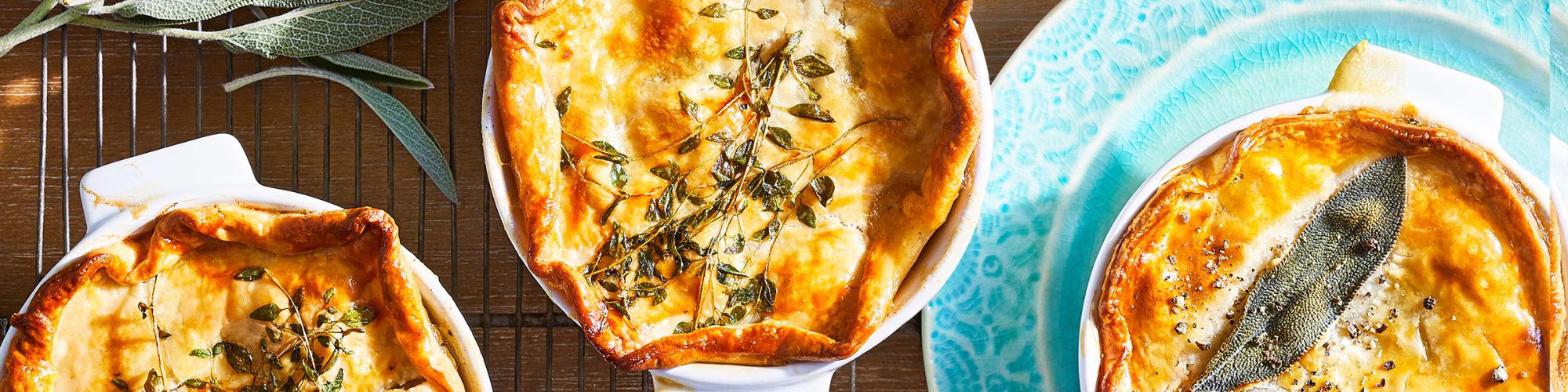
Recipes and cooking are not just about feeding yourself. They are about turning ordinary ingredients into comfort, confidence, creativity, and occasionally a kitchen that looks like a tiny flour tornado passed through. Whether you are learning how to boil pasta, roast vegetables, bake a reliable batch of cookies, or plan healthier weeknight dinners, cooking becomes much easier when you understand the basics behind a recipe instead of simply obeying it like a mysterious kitchen spell.
The best home cooks are not always the fanciest. They are the people who know when to salt, when to taste, when to lower the heat, and when to admit that dinner needs a squeeze of lemon and five minutes of emotional support. This guide breaks down the essentials of recipes and cooking in a practical, beginner-friendly, and SEO-friendly way: how recipes work, what skills matter most, how to cook safely, how to build flavor, and how to enjoy the process without treating every meal like a final exam.
What “Recipes & Cooking” Really Means
A recipe is a roadmap. Cooking is the actual road trip. The recipe tells you where to go, but cooking teaches you how to handle traffic, weather, detours, and the moment you realize you forgot to buy garlic. At its simplest, a recipe includes ingredients, measurements, steps, timing, temperature, and serving suggestions. But a good cook learns to read between the lines.
For example, when a recipe says “cook until golden brown,” it is asking you to use your senses. Golden brown means visual color, crisp texture, and deeper flavor from browning. When it says “season to taste,” it means taste the food and adjust with salt, acidity, herbs, spices, or fat until the dish tastes balanced. The more you cook, the more these phrases become less confusing and more like friendly hints from someone who has already burned the first pancake for you.
Why Home Cooking Still Matters
Home cooking gives you control over ingredients, portions, flavor, and cost. It also helps reduce food waste because you learn how to use what you already have. A handful of vegetables can become soup, fried rice, pasta sauce, tacos, omelets, or a very respectable “clean-out-the-fridge” dinner. Cooking at home also makes it easier to include more whole grains, vegetables, lean proteins, beans, nuts, and healthy oils in everyday meals.
How to Read a Recipe Before You Start
The first rule of successful cooking is simple: read the whole recipe before turning on the stove. This sounds obvious, but many kitchen disasters begin with the sentence, “Wait, this was supposed to marinate for two hours?” Reading first helps you understand timing, tools, ingredient prep, and whether the recipe requires steps that need to happen ahead of time.
Check the Ingredients List
Look for ingredients you already own, ingredients that need substitutions, and ingredients that are used in divided amounts. If a recipe says “2 tablespoons olive oil, divided,” that means you will not use all the oil at once. Missing that detail can turn a crisp sauté into an oil slick with onions.
Understand the Prep Terms
Recipes often use words like chopped, diced, minced, sliced, grated, folded, simmered, seared, roasted, or whisked. These terms matter. A minced garlic clove cooks faster than a sliced one. A simmer is gentler than a boil. Folding batter is softer than stirring it aggressively. Learning basic cooking terms makes recipes easier to follow and helps your results become more consistent.
Prepare Your Mise en Place
Mise en place means “everything in its place.” In normal-person language, it means chop your onion, measure your spices, rinse your herbs, and find the can opener before the pan is smoking. This habit saves time and stress. It is especially important for fast recipes like stir-fries, sautés, omelets, and sauces, where ingredients move quickly from “perfect” to “oops.”
Essential Cooking Techniques Every Home Cook Should Know
You do not need to master every culinary technique to cook well. You need a small set of reliable skills that work across many recipes. Once you understand the basics, you can make hundreds of meals without feeling trapped by exact instructions.
Boiling and Simmering
Boiling uses high heat and large bubbles. It is useful for pasta, potatoes, eggs, and blanching vegetables. Simmering uses lower heat and gentle bubbles. It is better for soups, stews, sauces, beans, and braises because it allows flavors to develop without toughening delicate ingredients. A tomato sauce that simmers slowly often tastes richer than one blasted with high heat like it owes you money.
Sautéing
Sautéing means cooking food quickly in a small amount of fat over medium to medium-high heat. It is ideal for vegetables, chicken pieces, shrimp, mushrooms, and aromatics like onions and garlic. The key is not overcrowding the pan. If too many ingredients are packed together, they steam instead of brown. Browning adds flavor, so give your food enough room to behave.
Roasting
Roasting uses dry oven heat to create browned edges and concentrated flavor. It is one of the easiest ways to make vegetables taste amazing. Toss carrots, broccoli, sweet potatoes, cauliflower, or Brussels sprouts with oil, salt, pepper, and spices, then roast until tender and caramelized. The oven does most of the work while you take credit like a responsible adult.
Baking
Baking is more precise than many stovetop methods. Measurements matter, especially with flour. Too much flour can make cakes dry, cookies tough, and bread dense. For the most consistent results, use a kitchen scale when possible. If measuring flour by cup, fluff it first, spoon it into the measuring cup, and level it off instead of packing it down.
Grilling and Broiling
Grilling cooks food over direct heat, while broiling cooks food under intense heat in the oven. Both methods are excellent for vegetables, fish, chicken, burgers, and quick-cooking cuts of meat. Because high heat can move fast, keep an eye on the food and use a thermometer when cooking meat, poultry, fish, or leftovers.
Food Safety: The Part That Keeps Dinner Fun
Food safety is not glamorous, but neither is food poisoning. A smart kitchen follows four basic principles: clean, separate, cook, and chill. Wash your hands, utensils, cutting boards, and counters. Keep raw meat, poultry, seafood, and eggs away from ready-to-eat foods. Cook foods to safe internal temperatures. Refrigerate leftovers promptly.
Use a Food Thermometer
A thermometer is one of the most useful tools in the kitchen. It removes guesswork and helps you avoid both undercooking and overcooking. Poultry should reach 165°F. Ground meats should reach 160°F. Fish and whole cuts of beef, pork, veal, and lamb are generally cooked to 145°F with proper rest time. Leftovers and casseroles should reach 165°F. Color alone is not reliable, especially with chicken, burgers, and reheated foods.
Store Leftovers Properly
Refrigerate leftovers within two hours of cooking, or within one hour if the food has been sitting in a hot environment. Use shallow containers so food cools faster. Most leftovers are best eaten within three to four days. Labeling containers may feel overly organized, but future you will appreciate not sniffing mystery rice on Thursday.
How to Build Flavor Like a Better Cook
Great cooking is not about adding twenty ingredients. It is about balance. Most dishes become better when you understand salt, fat, acid, heat, texture, and aroma.
Salt Makes Food Taste More Like Itself
Salt does not simply make food salty. Used correctly, it brings out natural flavor. Season gradually during cooking instead of dumping in salt at the end. Taste as you go. Soup, pasta water, roasted vegetables, sauces, and proteins all need seasoning at different stages. If food tastes flat, it may need a little salt.
Acid Brightens Heavy Dishes
Acid is the secret behind many “restaurant-level” flavors. Lemon juice, lime juice, vinegar, pickles, tomatoes, and yogurt can lift a dish that tastes dull. A squeeze of lemon over roasted fish, a splash of vinegar in bean soup, or a spoonful of yogurt on spicy vegetables can make flavors feel sharper and fresher.
Fat Carries Flavor
Olive oil, canola oil, butter, nuts, seeds, avocado, and dairy all add richness and help carry flavor. The goal is not to make everything greasy. The goal is to use enough fat to create satisfaction, browning, and mouthfeel. A drizzle of olive oil over roasted vegetables or a small pat of butter in a pan sauce can make a simple dish feel complete.
Texture Keeps Food Interesting
A good meal often includes contrast: creamy soup with crunchy croutons, soft tacos with crisp cabbage, tender pasta with toasted breadcrumbs, or yogurt with granola and fruit. Texture prevents food from feeling one-note. When a dish tastes good but still seems boring, add crunch, creaminess, chew, or crispness.
Easy Recipe Ideas for Everyday Cooking
Every home cook needs a few flexible recipes that can survive busy schedules, picky appetites, and the emotional roller coaster of opening the fridge at 6:30 p.m. The best everyday recipes are simple, adaptable, and built from ingredients you can use in multiple ways.
One-Pan Roasted Chicken and Vegetables
Place chicken thighs or breasts on a sheet pan with chopped potatoes, carrots, onions, and broccoli. Toss with oil, salt, pepper, garlic powder, paprika, and herbs. Roast until the chicken reaches a safe internal temperature and the vegetables are tender. This recipe works because it combines protein, vegetables, and starch in one pan with minimal cleanup.
Quick Vegetable Fried Rice
Use day-old rice, frozen peas, carrots, eggs, scallions, and a savory sauce. Cook the vegetables first, scramble the egg, add rice, then season. Fried rice is perfect for leftovers because it transforms small amounts of food into a complete meal. Add tofu, chicken, shrimp, or edamame for more protein.
Simple Tomato Pasta
Sauté garlic in olive oil, add crushed tomatoes, season with salt, pepper, and dried oregano, then simmer. Toss with pasta and finish with basil or grated cheese. Once you master this base, you can add spinach, mushrooms, lentils, meatballs, tuna, roasted vegetables, or chili flakes.
Breakfast-for-Dinner Omelet
Whisk eggs with a pinch of salt. Cook gently in a nonstick skillet, then fill with cheese, spinach, mushrooms, peppers, or leftover roasted vegetables. An omelet is fast, affordable, and useful when the fridge contains “a little bit of everything and not enough of anything.”
Healthy Cooking Without Making Food Sad
Healthy cooking does not mean flavorless steamed broccoli staring at you like a punishment. It means using cooking methods and ingredients that support nourishment while still tasting good. Bake, roast, grill, steam, broil, sauté, stew, and braise. Use herbs, spices, citrus, garlic, onions, and vinegar for flavor. Choose whole grains, colorful vegetables, beans, lentils, seafood, poultry, tofu, eggs, nuts, and healthy oils more often.
Build a Balanced Plate
A simple balanced meal often includes vegetables or fruit, protein, grains or starchy vegetables, and a healthy fat. Try salmon with brown rice and roasted asparagus, bean chili with avocado and corn, tofu stir-fry with vegetables and noodles, or turkey lettuce wraps with rice and cucumber salad. The formula is flexible, which means you can cook with what you enjoy.
Use Flavor Boosters
Keep flavor boosters on hand: lemons, limes, vinegar, mustard, hot sauce, garlic, ginger, herbs, spices, low-sodium broth, tomato paste, sesame oil, olives, capers, and toasted nuts. These ingredients help simple meals taste intentional, not accidental.
Meal Planning for People Who Do Not Want a Spreadsheet Hobby
Meal planning does not have to mean color-coded calendars and heroic Sunday prep sessions. Start with three dinners, one breakfast option, and one lunch plan. Choose recipes with overlapping ingredients so nothing gets abandoned in the produce drawer. For example, spinach can go into omelets, pasta, soup, smoothies, and grain bowls.
The “Cook Once, Eat Twice” Method
Roast extra vegetables and use them later in wraps, salads, bowls, or omelets. Cook extra rice for fried rice. Make extra chicken for tacos, sandwiches, or soup. This method saves time without forcing you to eat the same meal four nights in a row while questioning your life choices.
Keep a Pantry That Helps You Win
A useful pantry includes pasta, rice, oats, canned tomatoes, beans, lentils, tuna or salmon, broth, spices, flour, sugar, baking powder, oils, vinegar, nut butter, and shelf-stable sauces. Add freezer staples like vegetables, fruit, bread, shrimp, and cooked grains. With these ingredients, you can build quick meals even when grocery shopping did not happen.
Common Cooking Mistakes and How to Fix Them
Overcrowding the Pan
If food releases moisture and sits too close together, it steams. Use a larger pan or cook in batches. This is especially important for mushrooms, chicken pieces, tofu, and roasted vegetables.
Not Tasting While Cooking
Tasting is how you steer a recipe. Taste sauces, soups, grains, and vegetables as they cook. Adjust with salt, acid, sweetness, spice, or fat. A recipe cannot taste your food for you. It has never met your tomatoes.
Using Heat That Is Too High
High heat is useful for searing and boiling, but it can burn garlic, scorch sauces, toughen eggs, and dry out meat. Medium heat is often your best friend. Low heat is essential for gentle cooking, melting, simmering, and keeping panic out of breakfast.
Skipping Rest Time
Meat, casseroles, breads, and baked goods often need rest time. Resting allows juices to redistribute, structure to set, and flavors to settle. Cutting too soon can lead to dry meat or crumbly baked goods.
Conclusion: Cooking Gets Easier Every Time You Do It
Recipes and cooking become less intimidating when you stop expecting perfection and start building habits. Read the recipe first. Prepare ingredients before cooking. Season gradually. Taste often. Use safe food-handling practices. Learn a few core techniques and repeat them until they feel natural. The goal is not to become a celebrity chef overnight. The goal is to feed yourself and others with more confidence, less stress, and better flavor.
Every meal teaches something. Maybe you learn that roasted carrots need more space on the pan. Maybe you discover that pasta water should be salted. Maybe you find out that cookies continue baking on the hot tray after leaving the oven. These small lessons add up. Eventually, you stop simply following recipes and start understanding cooking. That is when the kitchen becomes less of a chore and more of a place where good things happen.
Personal Cooking Experiences: Lessons From the Real Kitchen
One of the most useful experiences in cooking is learning that recipes are guides, not judges. The first time many people follow a recipe, they treat every instruction like it came from a courtroom. One teaspoon means exactly one teaspoon. Medium heat becomes a philosophical crisis. “Golden brown” feels like a color only professional chefs can identify. But after making a few meals, you realize cooking is more forgiving than it looks. A little extra garlic rarely ruins dinner. Slightly uneven vegetables still roast. Pancake number one is almost always weird, and that is simply the pancake tax.
A powerful lesson comes from making simple dishes repeatedly. Take scrambled eggs. At first, they seem basic. Then you notice heat changes everything. High heat makes them dry and rubbery. Low heat with gentle stirring makes them soft and creamy. The ingredient list barely changes, but the technique changes the result. That is cooking in a nutshell: small choices create big differences.
Another experience many home cooks share is discovering the magic of preparation. Cooking feels chaotic when the onion is uncut, the garlic is still wearing its papery jacket, and the pan is already hot. But when ingredients are washed, chopped, measured, and ready, the entire process becomes calmer. You are no longer racing the stove. You are leading the recipe. Mise en place sounds fancy, but it really means giving yourself fewer chances to yell, “Where is the spatula?”
Seasoning is another turning point. A soup may taste dull even after simmering for an hour. Add a pinch of salt and it wakes up. Add lemon juice and suddenly the flavors feel brighter. Add herbs at the end and the whole pot tastes fresher. These moments teach you that flavor is not only about the recipe; it is about adjustment. Good cooks taste, think, and respond.
Meal planning also becomes easier through experience. At first, planning can feel like homework wearing an apron. But the best method is simple: cook ingredients that can become more than one meal. Roasted vegetables can become grain bowls, tacos, omelets, or pasta. Rice can become fried rice, soup filler, or a side dish. A batch of beans can become chili, salads, wraps, or dips. The more you cook this way, the more flexible your kitchen feels.
Finally, cooking teaches patience and humor. Bread may not rise. A sauce may break. Rice may stick. Cookies may spread into one giant cookie continent. These things happen. The secret is to learn from them without turning dinner into drama. Cooking is a skill built through repetition, curiosity, and a willingness to taste as you go. Every recipe adds a little more confidence. Every mistake becomes a note for next time. And every good meal, even a simple one, reminds you why cooking is worth practicing.