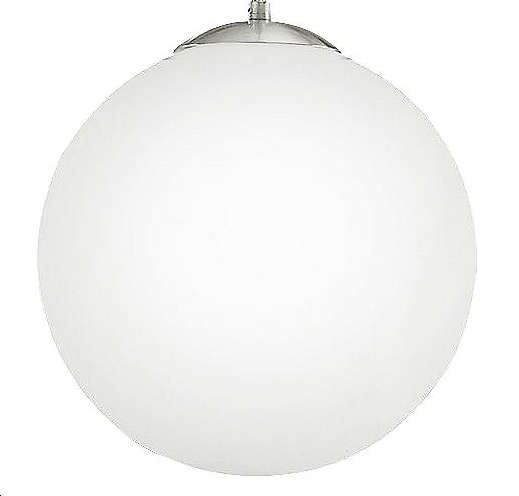
Some light fixtures try very hard to be the star of the room. The Rondo pendant usually does something smarter: it walks in looking polished, rounded, and calm, then quietly makes the whole space look better. That is the magic of the Rondo pendant style. In today’s lighting market, the name appears across more than one collection, but the common thread is easy to spot. “Rondo” usually signals soft curves, circular geometry, and a look that lands somewhere between modern simplicity and timeless comfort.
In practical terms, that means you will often find a Rondo pendant in one of two personalities. The first is the glowing globe or rounded glass form that spreads soft, flattering light. The second is the more focused metal-shade version that throws light downward for work zones like kitchen islands, counters, and breakfast bars. Either way, the appeal is the same: a round, balanced silhouette that feels less harsh than angular fixtures and more intentional than generic ceiling lighting.
If you are shopping, styling, renovating, or just staring at your ceiling like it owes you money, this guide will help you understand what a Rondo pendant is, where it works best, how to choose the right version, and what living with one is actually like day to day.
What Is a Rondo Pendant?
A Rondo pendant is not one single universal product. It is more accurate to think of it as a family name used by different lighting brands for pendants built around rounded shapes, circular forms, and smooth visual flow. In the market, you may see a Rondo pendant with opal or frosted glass, a metal trumpet-style shade, a brushed brass finish, matte nickel hardware, black accents, or a more decorative transitional frame with glass detailing.
That variety is exactly why the term deserves its own conversation. A shopper searching for “Rondo pendant” might be looking for a clean globe light for a dining nook, a compact pendant for a narrow hallway, or a focused task light for a kitchen island. The name may stay the same, but the function changes based on shade material, diameter, bulb type, and hanging method.
The unifying design idea is the circle. Round forms tend to soften a room visually. They break up straight lines from cabinetry, countertops, shelving, and hard-edged furniture. If a kitchen is full of rectangles and right angles, a Rondo pendant adds relief. If a dining area feels too stiff, the rounded silhouette makes it friendlier. If an entryway feels cold, a softly glowing globe can make it feel instantly more welcoming.
Why the Rondo Pendant Style Works So Well
1. It balances modern and classic design
One reason the Rondo pendant is so adaptable is that it rarely looks trapped in one trend. A glass globe version can feel mid-century, Scandinavian, contemporary, or even quietly traditional depending on the finish and room around it. A metal-shade Rondo can lean industrial or architectural without looking cold. That flexibility is gold for homeowners who do not want to replace light fixtures every time social media discovers a new personality.
2. It softens a room without becoming fussy
Curves do a lot of emotional work in interior design. A rounded pendant can make a room feel less rigid, especially in spaces dominated by stone, tile, metal, and wood cabinetry. Unlike ornate chandeliers, a Rondo pendant creates softness without demanding applause every time someone walks in.
3. It works in both statement and supporting roles
Some fixtures are born to be dramatic. Others are born to behave. The Rondo pendant can do both. A larger globe or oversized brass version can anchor a dining table with confidence. A small matte black or brushed nickel Rondo can disappear into the room just enough to support the architecture without stealing all the attention.
4. It can deliver ambient or task lighting
This is where shape meets function. Frosted or opal glass shades usually create softer ambient light and help reduce bulb glare. Metal-shade versions often direct illumination downward, which makes them useful over counters, sinks, or islands. So the same style family can solve very different lighting needs.
Popular Rondo Pendant Looks on the Market
The current market shows a few clear Rondo directions. The first is the classic globe pendant: round, often made with opal or frosted glass, and paired with finishes such as matte nickel, white, black, or brushed brass. This version is clean, elegant, and especially good in dining rooms, entryways, and compact kitchens where you want a soft glow instead of harsh spotlighting.
The second is the modern task-light version. Think sleek metal shade, narrower profile, and stronger downlight. This style is ideal for work surfaces and modern interiors. It is less “romantic dinner” and more “I can actually see the chopping board,” which, frankly, is also romantic in its own way.
The third direction is a more decorative transitional take, where rounded elements are combined with richer finishes, diffusers, fabric shades, or glass accents. This version suits homes that mix classic furniture with updated finishes and want a pendant that feels polished rather than minimal.
Where to Use a Rondo Pendant
Kitchen islands
This is one of the strongest placements for a Rondo pendant. Over an island, the rounded form prevents the lighting from feeling too mechanical. A metal-shade Rondo works well when you want directed task light for prep work. A glass Rondo is better when the island also functions as a social hub and you want a softer, more conversational mood.
Dining tables
Over a dining table, the Rondo pendant shines because the circular form echoes plates, bowls, and the natural rhythm of dining. One larger fixture can look sculptural and calm. Multiple smaller pendants can create rhythm over a longer rectangular table. If the room already has bold furniture, a simple Rondo is a smart way to add elegance without visual overload.
Breakfast nooks
A globe-style Rondo pendant is especially charming here. It gives small dining corners a cozy, finished look and makes an everyday coffee spot feel more intentional. Yes, your cereal deserves mood lighting too.
Entryways and foyers
In an entry, a Rondo pendant creates a warm first impression. The rounded silhouette reads as welcoming, while finishes like brass or black can help establish the home’s style from the moment the door opens.
Bedrooms and reading corners
Smaller pendants can work beautifully beside a bed or over a lounge chair, especially when you want to free up surface space on nightstands or side tables. A focused Rondo can function almost like a suspended reading lamp, while a glass version gives a softer after-dark glow.
How to Choose the Right Rondo Pendant
Choose the light quality first
Before you fall in love with a finish, ask what the fixture needs to do. If you want soft ambient light, look for frosted or opal glass. If you need focused task lighting, a metal shade or reflector-style Rondo is often the better choice. This is the difference between “beautiful fixture” and “beautiful fixture that also stops you from chopping cilantro in the dark.”
Match the size to the surface below
Scale matters. A fixture that is too small can look apologetic. One that is too large can dominate the room like an uninvited design consultant. For dining tables, a useful rule is to keep the fixture visually proportional to the table. For islands, think in terms of overall spread, spacing, and edge clearance rather than one random pendant chosen because it looked cute online at midnight.
Pick a finish that belongs in the room
Brushed brass feels warm and a little dressy. Matte nickel is adaptable and understated. Black offers graphic contrast. White blends quietly into lighter interiors. If the room already has visible hardware, faucet finishes, cabinet pulls, or appliance metals, a Rondo pendant should feel like part of that conversation, not a guest who wandered in from another renovation.
Think about maintenance
Glass globes are beautiful but show fingerprints, dust, and the occasional mystery smudge. Metal shades are often easier to wipe down. If the fixture hangs over a kitchen island, this matters more than you think. Cooking creates residue, and pendants do not live in a magical grease-free universe.
Smart Installation and Placement Tips
Good design is not just about the fixture; it is also about where it lands in space. A Rondo pendant looks its best when the hanging height feels deliberate. Over a dining table or countertop, a common rule is to keep the bottom of the pendant roughly 30 to 36 inches above the surface. That usually gives you enough light where you need it without blocking sightlines or making dinner feel like an interrogation.
For multiple pendants over an island, even spacing matters. The composition should look centered and balanced, with enough breathing room between fixtures so they feel like a collection rather than a traffic jam. You also want some space between the outer pendants and the island edges. This helps the lighting look anchored to the furniture below rather than floating off course.
In entryways or circulation areas, vertical clearance matters more. The fixture should not interrupt movement or sightlines. In lower-ceiling rooms, a compact Rondo or a shorter hanging option is often the smarter choice.
How to Style a Rondo Pendant Beautifully
With natural materials
A Rondo pendant looks especially good with wood, linen, stone, and woven textures. The round form adds calm, while natural materials add warmth. This combination works beautifully in modern organic, Scandinavian, and relaxed transitional interiors.
With bold architecture
If your room has strong cabinetry lines, dramatic wall paneling, or sharp marble veining, a rounded pendant helps create contrast. It is the design equivalent of adding a friendly face to a serious meeting.
With layered lighting
A pendant should rarely do all the work by itself. The best rooms layer ambient, task, and accent lighting. A Rondo pendant can lead the scene, but it performs even better when paired with under-cabinet lighting, sconces, recessed fixtures, or table lamps.
Common Mistakes to Avoid
- Choosing a pendant based only on looks and forgetting what kind of light the room actually needs.
- Hanging it too high so it loses impact or too low so it interrupts views.
- Using a tiny fixture over a large island and expecting it to perform miracles.
- Ignoring finish coordination with nearby hardware and furnishings.
- Forgetting that kitchens demand easy cleaning and practical illumination.
Is a Rondo Pendant Worth It?
For many homes, yes. The Rondo pendant style succeeds because it combines friendliness with function. It is visually soft, easy to integrate into many design schemes, and available in enough variations to serve both decorative and practical roles. Whether you lean toward a glowing globe, a crisp modern task light, or a transitional pendant with more personality, the style gives you one major advantage: it looks intentional without feeling overworked.
That is a rare design sweet spot. A Rondo pendant can make a kitchen feel more refined, a dining area more intimate, an entry more polished, and a quiet corner more complete. It is not flashy for the sake of flash. It is the kind of fixture that improves a room in steady, satisfying ways, which is honestly the lighting equivalent of a very competent best friend.
Everyday Experiences With a Rondo Pendant
Living with a Rondo pendant is often less about one dramatic “before and after” moment and more about the steady improvement you notice in daily routines. The first experience many people have is emotional rather than technical: the room simply feels calmer. A rounded pendant changes the atmosphere in a subtle way. Hard cabinetry lines, square tables, and boxy appliances start to feel more balanced. The space becomes less rigid and more comfortable to spend time in, even when nothing else has changed.
In a kitchen, the experience depends on the version you choose. A focused metal-shade Rondo pendant tends to make prep work easier because the light goes where your hands are. Chopping vegetables, reading recipes, checking food color, and cleaning up all feel more straightforward under directed light. The fixture becomes part of your routine in a functional way. You stop thinking about it as décor and start noticing that the island works better. That is usually the sign of a smart lighting decision.
A glass Rondo pendant offers a different kind of experience. Instead of spotlighting one task, it tends to create a gentle pool of light that makes meals, conversation, and everyday hanging out feel warmer. Breakfast looks better. Late-night tea feels more peaceful. Even takeout somehow gains emotional depth. The glow is usually softer on faces, which is one reason globe-style pendants often feel especially inviting in dining areas and breakfast nooks.
Another common experience is discovering how much a pendant influences the perceived quality of the room. A well-chosen Rondo pendant often makes a space look more finished, even if the furniture is simple. It creates a focal point overhead, and that visual anchor can make the whole room feel designed rather than merely occupied. People often notice this most in entryways. Before the pendant, the foyer may have felt like a pass-through zone. Afterward, it feels like an introduction.
There is also a practical everyday side to ownership. If the fixture has opal or frosted glass, it usually hides the bulb better and softens glare, which can make the room more pleasant at night. If it has an adjustable cord or hanging length, that flexibility becomes useful during installation because the right height can make a dramatic difference. Many homeowners do not realize how much sightlines matter until they sit down at a table and discover the pendant is either perfectly placed or behaving like a nosy relative in the middle of the conversation.
Cleaning is part of the experience too. Glass versions look elegant, but they do ask for occasional maintenance. Dust, cooking residue, and fingerprints eventually appear, especially in kitchens. Metal-shade versions usually feel easier to manage. This is not a reason to avoid glass, only a reminder that beauty sometimes arrives with a microfiber cloth.
Over time, one of the best experiences with a Rondo pendant is how adaptable it feels. You can change bar stools, repaint cabinetry, swap artwork, or update textiles, and the fixture often continues to work because the rounded form is not overly trend-dependent. It has enough character to matter, but not so much that it traps the room in one narrow style story. That makes it a satisfying long-term choice for people who want design personality without constant redesign fatigue.
In the end, living with a Rondo pendant usually means enjoying a fixture that earns its place day after day. It can improve light quality, soften the room, sharpen function, and make ordinary moments feel a little more polished. That may not sound dramatic, but in real homes, those steady improvements are exactly what make a lighting choice feel worthwhile.
Conclusion
The Rondo pendant succeeds because it brings together shape, softness, and usefulness in one versatile package. Whether you prefer a glowing opal-glass globe, a crisp modern metal shade, or a more decorative transitional interpretation, the style offers something many fixtures miss: real flexibility. It can support task lighting, strengthen ambience, soften hard lines, and help a room feel intentionally designed without becoming visually exhausting.
That is why the Rondo pendant continues to appeal across kitchens, dining areas, foyers, and beyond. It is approachable, attractive, and practical, which is an excellent trio in lighting and an even better trio in life. Choose the right size, hang it at the right height, match it to the room’s finishes and function, and the result is a fixture that does far more than illuminate. It completes the room.