Note: Prime Day generator prices, coupons, shipping times, and bundle offers can change quickly. Always verify the live product page, seller, warranty terms, and model number before purchasing.
When the lights go out, nobody brags about how “minimalist” their home feels. The refrigerator starts warming up, the Wi-Fi disappears like a magician with commitment issues, and suddenly that half-charged phone becomes the most important relationship in your life. That is why a best-selling Generac generator during Prime Day can be more than another shiny deal in your cart. It can be a practical backup plan for storms, outages, camping trips, tailgates, job sites, and every “just in case” moment that becomes very real at 2:17 a.m.
Generac is one of the most recognized names in residential backup power, offering everything from portable gas generators to battery-powered portable power stations. During Amazon Prime Day, shoppers often look for discounts on popular Generac models because the event tends to bring limited-time markdowns across tools, outdoor equipment, home improvement, emergency preparedness products, and power accessories. The smart move is not just clicking the biggest percentage off. The smart move is knowing what kind of power you need, what features matter, and how to tell a real deal from a retail confetti cannon.
Why Generac Generators Get So Much Attention During Prime Day
Prime Day has become a major shopping event for people who want to upgrade their homes without making their bank account cry into a toolbox. Generators fit perfectly into that category. They are practical, often expensive, and easy to postpone buying until a storm warning, heat wave, or winter outage reminds everyone that electricity is not technically a personality trait, but it sure feels like one.
A Generac portable generator or Generac portable power station can help keep essentials running when utility power fails. Depending on the model, that may include a refrigerator, freezer, modem, medical device, lights, sump pump, small appliances, power tools, laptops, or phones. For homeowners in areas with hurricanes, thunderstorms, wildfires, ice storms, or an aging electrical grid, a reliable backup power source can be a very sensible investment.
Generac’s popularity comes from its broad product lineup. Some shoppers want a traditional gas-powered portable generator with high running watts and enough starting power for demanding appliances. Others prefer a cleaner, quieter battery station that can be used indoors and recharged from a wall outlet, car outlet, or compatible solar panels. Prime Day is a good time to compare both options because discounts may appear on the generator itself, solar panels, transfer switches, extension cords, covers, oil, fuel cans, or other accessories.
Popular Generac Options to Watch
Generac GB2000 Portable Power Station
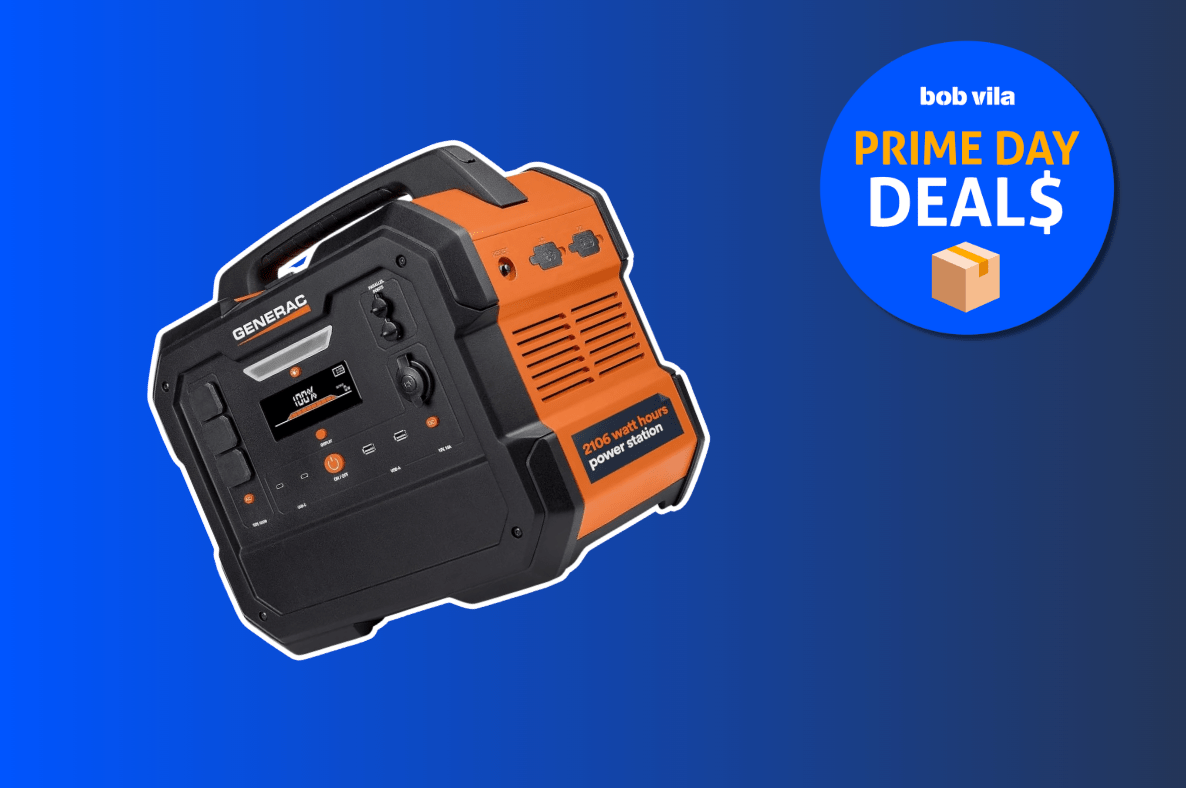
The Generac GB2000 is a strong example of why “generator” shopping is no longer limited to gas engines. This portable power station is designed as a battery-based backup solution with a large capacity, multiple outlets, USB ports, wireless charging, and solar charging compatibility. It is especially appealing for people who want quiet, fume-free power for electronics, small appliances, camping, tailgating, or short-term outage support.
The biggest advantage of a battery power station is convenience. There is no gasoline to store, no engine oil to check, and no exhaust to manage. That means it can be used indoors, which is a major benefit for apartment dwellers, renters, and homeowners who want backup power without rolling a gas generator into the driveway during bad weather. The trade-off is capacity. A battery station is excellent for phones, routers, laptops, lights, CPAP machines, and some refrigerators, but it will not run a whole house indefinitely. Think of it as a calm, capable emergency assistant, not a power plant wearing sneakers.
Generac GP8000E Portable Generator
For shoppers who need more muscle, the Generac GP8000E-style portable generator is often the kind of model people compare during major sale events. Gas-powered portable generators in this range are built for larger outage needs, job sites, and powering several essentials at once. Features commonly associated with this class include electric start, high running watts, surge capacity for motor-driven appliances, durable frames, wheels, covered outlets, hour meters, and low-oil shutdown protection.
This type of Generac generator is better suited for users who want to power heavier loads such as a refrigerator, freezer, sump pump, furnace blower, well pump, lights, and selected household circuits. However, gas generators require serious safety planning. They must be operated outdoors, far from doors, windows, vents, garages, crawlspaces, and living areas because they produce carbon monoxide. They also require fuel storage, maintenance, and proper electrical connection methods.
Generac Inverter Generators
Generac inverter generators are another category to watch on Prime Day. These units are usually smaller, quieter, and better for sensitive electronics than traditional open-frame portable generators. Campers, RV owners, tailgaters, and people who want portable backup for lighter loads often prefer inverter models because they balance clean power with easier portability.
An inverter generator is not usually the first choice for running a large home through a long outage, but it can be excellent for laptops, phones, small appliances, fans, lights, and outdoor recreation. If your goal is peaceful backup power rather than “the neighborhood knows I bought a generator,” an inverter model is worth comparing.
How to Know If a Prime Day Generac Deal Is Actually Good
Not every discount deserves applause. Some prices are genuine markdowns. Others are dressed up with dramatic percentages that look like they were written by a fireworks salesman. Before buying a best-selling Generac generator during Prime Day, compare the deal against several signals.
First, check the model number. A listing title may say “Generac generator,” but small differences in model numbers can mean different wattage, outlet types, CO safety features, battery capacity, or included accessories. A deal on an older or discontinued model may still be useful, but only if the warranty, parts availability, and specifications fit your needs.
Second, compare the live Prime Day price with prices at other major retailers such as Home Depot, Lowe’s, Walmart, Tractor Supply, Ace Hardware, and authorized Generac dealers. A strong deal should still look strong after you compare it with normal street pricing. Pay attention to shipping costs, delivery windows, return rules, and whether the product is sold directly by Amazon, Generac, or a reputable third-party seller.
Third, look for bundle value. A generator discount becomes more useful when it includes accessories you actually need, such as solar panels for a power station, a generator cover, parallel kit, transfer switch, inlet box, heavy-duty extension cord, battery, wheel kit, or maintenance items. A bundle is only a deal if the included parts match your setup. A “free accessory” you will never use is just clutter with better marketing.
Choose the Right Generator Size Before You Buy
Generator shopping begins with one simple question: what do you need to power? The answer determines whether you should buy a battery power station, compact inverter generator, mid-size portable generator, or whole-home standby system.
Start by making a list of essential items. Common outage priorities include a refrigerator, freezer, sump pump, furnace blower, lights, phone chargers, internet equipment, medical devices, portable fans, and a microwave or coffee maker. Then check the running watts and starting watts for each appliance. Appliances with motors, such as refrigerators and pumps, often need extra power for a few seconds when starting.
If you only need to keep electronics and small devices running, a Generac GB2000-style power station may be a practical choice. If you want to run several household essentials, a gas-powered Generac portable generator with higher wattage may make more sense. If you want automatic whole-home backup, a standby generator is the more permanent solution, though it usually requires professional installation and a larger budget.
Do Not Forget Generator Safety
A generator deal is exciting. Generator safety is non-negotiable. Gas-powered portable generators should never be used inside a house, garage, basement, shed, crawlspace, or any enclosed or partly enclosed area. They produce carbon monoxide, an invisible and odorless gas that can be deadly. Operate gas generators outdoors only, well away from windows, doors, and vents, with the exhaust pointed away from the home.
Install carbon monoxide alarms on every level of the home and near sleeping areas. Use outdoor-rated extension cords that match the generator’s capacity. Keep the generator dry, avoid touching it with wet hands, and let it cool before refueling. Store gasoline in approved containers and keep it away from living spaces, heat sources, and open flames.
If you want to connect a portable generator to household circuits, use a properly installed transfer switch or interlock system. Never plug a generator into a wall outlet. That dangerous practice, often called backfeeding, can injure utility workers, damage electronics, and create serious fire and shock hazards. A licensed electrician can help you set up a safer and more convenient connection.
Battery Power Station vs. Gas Generator: Which One Should You Buy?
The right choice depends on your lifestyle, outage risk, budget, and comfort level with maintenance. A battery-based Generac power station is quiet, clean, simple to use, and safe for indoor operation. It is ideal for electronics, short outages, apartments, camping, and people who do not want to store fuel. It can also pair with solar panels, although solar charging speed depends on sunlight, panel size, and conditions.
A gas-powered Generac portable generator provides more output for the money and can run larger appliances for longer periods as long as you have fuel. It is better for homes that regularly face extended outages or need to run pumps, refrigerators, freezers, heaters, or selected hardwired circuits. However, it requires outdoor operation, fuel planning, oil changes, noise tolerance, and careful safety practices.
The best approach for many households is a layered power plan. A battery station can handle indoor electronics and nighttime quiet hours. A gas generator can support larger loads during the day. That combination is not necessary for everyone, but it is useful for families who want flexibility during long outages.
What to Check Before Clicking “Buy Now”
Before you add a Prime Day Generac generator deal to your cart, check the product details like you are reading a restaurant menu after skipping lunch. Confirm running watts, starting watts, fuel type, battery capacity, outlet layout, noise level, weight, dimensions, runtime, charging options, warranty, and included accessories.
For portable power stations, review watt-hours, continuous output, peak output, number of AC outlets, USB-C charging wattage, solar input limit, recharge time, and battery chemistry. For gas generators, review engine size, fuel tank capacity, runtime at partial load, CO safety shutdown technology, outlet types, 120/240-volt capability, GFCI protection, wheel kit, electric start, and maintenance schedule.
Also think about where the generator will live. A 200-pound portable generator is “portable” in the same way a piano is “technically movable.” If you need to roll it over gravel, stairs, or wet ground, wheels and handles matter. If you live in a neighborhood with noise rules, check decibel ratings and consider an inverter model or battery station.
Prime Day Buying Strategy for Generac Generators
The best Prime Day strategy is to prepare before the clock starts. Add the exact Generac models you want to a wish list. Track normal pricing at several retailers. Decide your maximum budget. Measure your storage space. Confirm whether you need accessories. Then, when the deal appears, you can act quickly without making a panic purchase powered entirely by caffeine and fear of missing out.
Use deal alerts, but do not rely on them alone. Some generator deals sell out quickly, while others return later in the event. Check lightning deals, coupon boxes, and bundle listings. If two similar models are discounted, compare their specifications instead of assuming the more expensive one is better. A smaller generator that matches your actual needs is often smarter than a giant unit that looks impressive but spends most of its life intimidating your garage.
Prime Day is also a good time to buy safety and support gear. Consider CO alarms, fire extinguishers, outdoor-rated extension cords, fuel stabilizer, oil, funnels, covers, weather tents designed for generator use, appliance thermometers, power strips rated for your use case, and solar panels for compatible power stations. A generator without the right accessories is like a superhero without shoes: still powerful, but not quite ready for the mission.
Who Should Consider a Best-Selling Generac Generator?
A Generac generator is worth considering if you live in an area with frequent outages, own a refrigerator or freezer full of expensive food, work from home, rely on powered medical equipment, have a basement sump pump, camp regularly, operate tools away from outlets, or simply want peace of mind. It can also be useful for families with kids, older adults, pets, or anyone who does not enjoy turning a power outage into an accidental survival reality show.
However, a generator is not a magic wand. You need to understand its limits. A portable power station may not run high-demand appliances for long. A gas generator may be too loud or heavy for some users. A whole-home standby system may be overkill for a small apartment. The best Generac generator is the one that fits your actual life, not the one with the biggest number on the box.
Real-World Experiences: What It Feels Like to Buy a Generac Generator During Prime Day
Buying a Generac generator during Prime Day feels a little like grocery shopping before a snowstorm, except instead of bread and milk, you are comparing wattage, runtime, outlet types, and whether “starting watts” sounds more athletic than it really is. The first experience many shoppers have is surprise: generators are not all the same. One model is perfect for keeping phones, lights, and a router alive. Another can help run a refrigerator and sump pump. Another is better suited for job sites and heavy tools. The learning curve is real, but it is manageable once you stop shopping by discount percentage alone.
A practical experience is to walk through your home and create a “power priority list.” Start in the kitchen. The refrigerator matters because food loss can get expensive quickly. Move to the basement. If you have a sump pump, that may be priority number one during heavy rain. Check your work setup. A modem, router, laptop, monitor, and phone charger may use far less power than a large appliance, but they can be essential if you work remotely. Look at health needs, too. If someone uses a CPAP machine or powered medical device, that changes the buying decision immediately.
Another lesson shoppers often learn is that setup matters as much as the generator. A gas-powered portable generator may arrive in a large box that requires assembly, oil, fuel, and a safe outdoor operating location. You may need a heavy-duty extension cord, a cover, a weather-safe operating plan, and possibly an electrician if you want a transfer switch. A battery power station is simpler: charge it, test it, and store it somewhere accessible. But even then, you should test your devices before an outage. The middle of a blackout is a terrible time to discover your “emergency plan” was mostly vibes.
Prime Day also creates urgency, and urgency can make people sloppy. A common experience is seeing a deal badge and feeling the instant urge to buy. Pause for five minutes. Check whether the seller is reputable. Confirm the warranty. Read recent reviews, especially the low-star reviews that mention shipping damage, missing parts, battery issues, customer service, or confusing setup. Make sure the model can be returned if it arrives damaged. For a large item like a generator, return policies are not fine print; they are self-defense.
The best experience comes from treating the purchase like emergency planning, not impulse shopping. Once the generator arrives, unbox it, inspect it, register the warranty if required, read the manual, charge or test it, and store accessories nearby. Label cords. Keep fuel safely stored if using a gas model. Teach another adult in the household how to operate it. When the next outage comes, you will not feel like a contestant on a chaotic game show. You will feel prepared, and that is the real Prime Day win.
Final Thoughts: A Smart Prime Day Deal Is About Preparedness
Saving on a best-selling Generac generator during Prime Day can be a genuinely smart purchase, especially if you choose the right model for your home, budget, and emergency plan. A big discount is nice, but the real value is keeping essentials powered when the grid takes an unscheduled nap.
Look beyond the sale badge. Compare wattage, capacity, runtime, portability, safety features, accessories, warranty, and seller reputation. Decide whether a quiet battery power station or a higher-output gas portable generator is the better fit. Add the right cords, alarms, covers, fuel supplies, solar panels, or transfer equipment. Most importantly, use the generator safely and test your setup before you need it.
Prime Day may help you save money, but preparedness helps you save food, comfort, work time, and peace of mind. That is a deal worth plugging into.