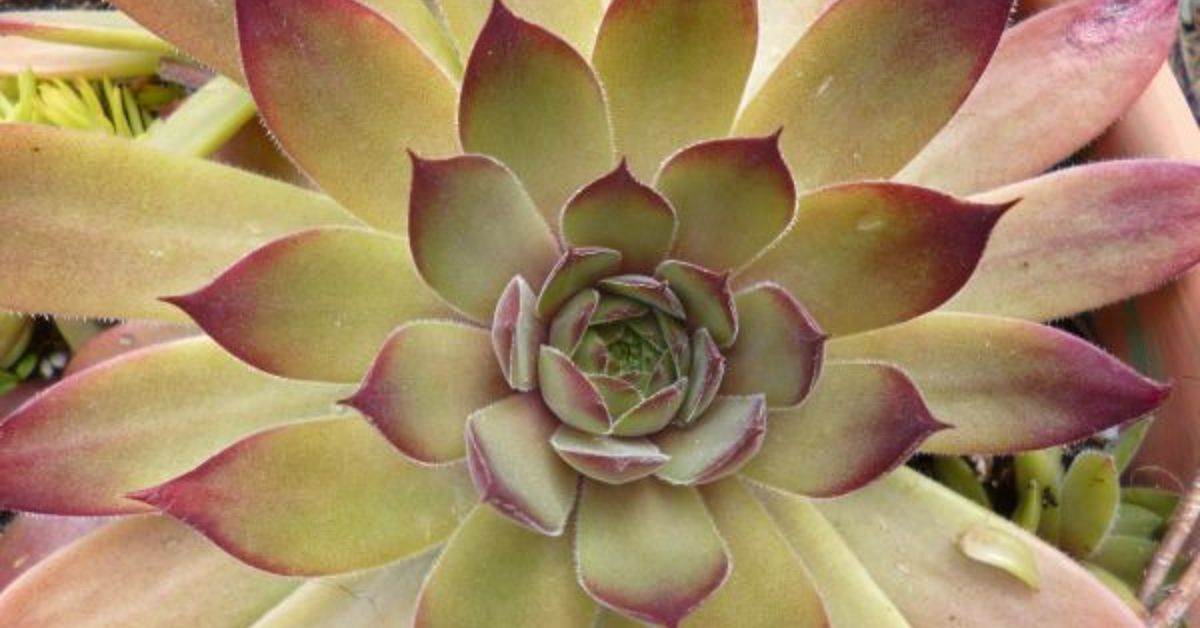
Fall is when many garden plants begin their dramatic farewell tour: leaves drop, stems flop, and tomatoes start looking like they’ve made questionable life choices. Then there is Sempervivum, also known as hens and chicks or houseleek, sitting there in neat little rosettes like a tiny succulent army that received the memo about winter and simply shrugged.
Sempervivum is one of the best cold-hardy succulents for gardeners who want year-round texture without turning plant care into a second full-time job. In autumn, these rugged rosette-forming plants often deepen in color, tighten their growth, slow their water needs, and prepare to coast through cold weather. The trick is not to love them too aggressively. In other words: put down the watering can, step away from the fertilizer, and let the little greenor red, purple, bronze, silver, or burgundywarriors do what they do best.
This guide explains how to care for Sempervivum in the fall, how to prepare hens and chicks for winter, what mistakes to avoid, and how to enjoy their seasonal color changes without accidentally creating a soggy succulent tragedy.
What Is Sempervivum?
Sempervivum is a genus of hardy succulent perennials in the Crassulaceae family. The name roughly means “always living,” which sounds dramatic until you watch one survive snow, wind, poor soil, and a gardener who forgot it existed behind a rock wall. These plants form low-growing rosettes of fleshy leaves and spread by producing offsets, the famous “chicks,” around the larger mother rosette, or “hen.”
The common name hens and chicks comes from this charming growth habit. The larger rosette produces smaller baby rosettes around it, creating a colony that looks tidy, architectural, and slightly smug about how little maintenance it requires. Many types of Sempervivum are evergreen, meaning they keep their form and foliage through winter, although their color and tightness may shift with the season.
Why Fall Matters for Sempervivum
Fall is not the season for pushing Sempervivum into new growth. It is the season for helping it enter dormancy cleanly and safely. As temperatures cool and daylight shortens, hens and chicks slow down. They need less water, no heavy feeding, and excellent drainage more than ever.
The biggest fall danger is not cold. Sempervivum is famously cold-hardy, with many varieties tolerating freezing conditions far better than tender succulents like echeveria. The real villain is wet soil combined with cold weather. When water sits around the roots or crown of the plant, rot can move in like an unwanted houseguest who brought luggage.
So, if there is one golden rule for Sempervivum in the fall, it is this: keep the roots dry-ish, the crown clear, and the drainage sharp.
Fall Color Changes: The Succulent Glow-Up
One of the joys of growing Sempervivum is watching its seasonal color changes. In spring and summer, many varieties show fresh green, blue-green, silver, or soft red tones. In fall, cooler nights and bright light can intensify pigments, turning rosettes deeper shades of burgundy, plum, copper, rose, bronze, or chocolate red.
Not every variety changes dramatically, and that is fine. Some remain mostly green with red tips. Others look like they secretly joined a fall fashion campaign. These color shifts are normal and often desirable. They do not necessarily mean the plant is stressed in a harmful way. In fact, compact growth and richer tones are often signs that Sempervivum is receiving strong light and cooler seasonal temperatures.
When Color Change Is Normal
Color change is usually normal when the rosettes remain firm, compact, and evenly colored. A healthy fall Sempervivum may look tighter than it did in summer. The leaves may point inward slightly, and the plant may appear less actively “busy.” This is part of its seasonal rhythm.
When Color Change Is a Warning
Color change becomes concerning if leaves are mushy, translucent, blackened at the base, or collapsing from the center. That usually points to too much moisture, poor air circulation, or rot. Crispy outer leaves can be normal, especially older leaves near the bottom, but a soft crown is bad news. A Sempervivum can survive a lot, but sitting in a cold mud bath is not on its list of hobbies.
How to Water Sempervivum in the Fall
Fall watering should be conservative. During active growth in warm weather, Sempervivum may appreciate occasional deep watering, especially in containers. But as temperatures cool, evaporation slows and the plant uses less moisture. That means soil stays wet longer, and wet soil is where trouble begins.
For in-ground Sempervivum, natural rainfall is often enough in autumn unless the weather is unusually dry. For containers, check the soil before watering. If the mix is still damp a couple of inches down, do nothing. Doing nothing is an underrated gardening skill, and Sempervivum is one of its finest teachers.
Fall Watering Checklist
- Water only when the soil is dry.
- Avoid watering late in the day when cool nights are expected.
- Keep water out of the center crown when possible.
- Do not leave pots sitting in saucers full of water.
- Reduce watering significantly as frost becomes regular.
Soil and Drainage: The Real Secret to Success
Sempervivum thrives in lean, gritty, well-drained soil. It does not need rich compost, heavy potting mix, or pampering. In fact, overly rich soil can encourage soft growth that is less resilient heading into winter.
For garden beds, the best locations are rock gardens, slopes, raised beds, gravel gardens, wall pockets, and sunny edges where water drains away quickly. If your soil is heavy clay, consider planting Sempervivum in a raised mound or container instead of trying to convince clay to behave like alpine scree. Clay rarely listens.
For containers, use a fast-draining cactus or succulent mix amended with pumice, coarse sand, perlite, crushed granite, or small gravel. The goal is a mix that holds enough moisture for roots to drink but dries quickly enough to prevent rot.
Should You Fertilize Sempervivum in the Fall?
No, fall is not the time to fertilize Sempervivum. These plants are adapted to lean conditions, and feeding them late in the season can encourage tender new growth just when they should be hardening off for cold weather.
If you fertilize at all, do it lightly during the growing season. Many gardeners skip fertilizer completely and still enjoy healthy colonies for years. Sempervivum is not a hungry plant. It is more of a minimalist with excellent cheekbones.
Fall Cleanup for Hens and Chicks
Autumn cleanup is simple but helpful. Remove fallen leaves, pine needles, soggy mulch, or garden debris that collects around the rosettes. Sempervivum likes airflow around its crown. A blanket of wet leaves may look cozy, but to a succulent it can feel like being trapped under a damp towel in a cold locker room.
Trim or gently pull away dead outer leaves if they are loose. Do not rip firm leaves from the plant, and do not be alarmed by a few dry leaves at the base. Older leaves naturally die back as the rosette matures. The goal is not to make the plant look freshly detailed for a magazine cover. The goal is to reduce moisture-trapping debris.
Can You Divide or Propagate Sempervivum in the Fall?
Yes, early fall can be a good time to separate and replant offsets, especially in mild climates or when there are several weeks before hard freezing weather. The chicks usually root readily when placed in gritty soil with good contact. However, late fall division is less ideal in cold regions because new offsets may not have enough time to establish before winter.
To propagate, gently detach a chick with a bit of stem or root attached, place it on well-drained soil, and water lightly only after planting. Keep it in bright light and avoid soggy conditions. Once it settles in, it will begin living up to the name “liveforever,” which is only a slight exaggeration and excellent branding.
Container Care Before Winter
Sempervivum grows beautifully in pots, bowls, troughs, hypertufa planters, and shallow containers. But fall container care matters because pots freeze and thaw more dramatically than the ground. A plant that is hardy in the landscape may struggle in a wet, exposed container if the soil stays saturated.
Before winter, make sure every container has drainage holes. If a pot does not drain, it is not a planter; it is a tiny swamp with decorative ambitions. Move containers to a place where they receive sun but are protected from excessive winter rain, such as under an eave, on a covered porch, or beside a wall. Do not bring hardy Sempervivum into a warm, dark room for winter. Indoor warmth and low light can cause stretching, weakness, and general plant confusion.
Sunlight Needs in the Fall
Sempervivum generally prefers full sun to partial shade. In hot summer regions, afternoon shade can prevent scorching. But in fall, sunlight is usually gentler, and more sun often improves color and compactness. If your rosettes are stretching, opening up, or turning pale, they may need brighter light.
For containers, fall is a good time to shift pots into brighter exposure. Just avoid sudden, extreme changes if the plant has been growing in shade. Sempervivum is tough, but even tough plants appreciate not being flung from a dim corner into blazing sun like a botanical reality-show contestant.
Common Fall Problems
Rot
Rot is the most common fall and winter problem. It usually starts when soil remains wet for too long. Signs include mushy leaves, blackened crowns, collapsing centers, or a sour smell. Remove affected plants quickly to prevent spread, and improve drainage before replacing them.
Stretching
Stretching, also called etiolation, happens when Sempervivum does not receive enough light. The rosette may become taller, looser, and less colorful. Move the plant to a brighter location, especially in fall when sunlight is less intense.
Dead Mother Rosettes
Sempervivum is monocarpic, meaning an individual rosette dies after flowering. This is normal. The good news is that the surrounding chicks continue growing. Remove the dead rosette once it dries out, and let the colony fill in naturally.
Pests
Sempervivum is generally low-maintenance, but mealybugs, aphids, or root pests can occasionally appear, especially in crowded containers. Inspect plants during fall cleanup. Good airflow, clean crowns, and avoiding overwatering help keep problems limited.
Best Places to Use Sempervivum in Fall Landscapes
Fall is when structure becomes more noticeable in the garden. Annual flowers fade, herbaceous perennials retreat, and suddenly foliage shape matters more. Sempervivum shines because its rosettes stay sculptural even when much of the garden is winding down.
Use hens and chicks in rock gardens, gravel borders, stone walls, trough planters, alpine gardens, dry slopes, and sunny patio containers. They pair beautifully with sedum, thyme, dwarf grasses, dianthus, creeping phlox, and other drought-tolerant plants that enjoy similar drainage. Their low profile also makes them excellent for tucking into crevices where taller plants would look awkward.
Fall Experience: What Growing Sempervivum Teaches You
Growing Sempervivum in the fall teaches a gardener one very important lesson: sometimes the best care is restraint. Many of us are trained to respond to seasonal change with action. Leaves are falling? Clean everything. Temperatures are dropping? Protect everything. A plant looks different? Water it, feed it, move it, whisper encouragement, maybe Google symptoms at midnight. Sempervivum politely asks us to calm down.
One of the most satisfying fall experiences is watching a container of hens and chicks slowly change color as the nights cool. A rosette that looked soft green in July may turn wine-red at the tips by October. Another may develop bronze edges or a dusky purple center. The change is subtle at first, then suddenly obvious, like the plant put on a sweater and became more interesting at parties.
Fall also reveals whether the planting spot was chosen wisely. Sempervivum in gritty soil, raised beds, or gravel pockets usually looks firm and compact. Sempervivum in heavy, damp soil may begin to sulk. The plant gives honest feedback. It does not write a strongly worded letter, but mushy lower leaves and a loose crown are basically the succulent version of a complaint department.
In containers, the fall routine becomes almost meditative. You check the drainage holes. You brush away fallen leaves. You rotate the pot toward better sun. You resist watering because the soil is still cool and slightly damp. This restraint feels strange at first, especially if you are used to thirsty plants that faint theatrically when ignored. But Sempervivum rewards patience with clean rosettes, stronger color, and fewer problems.
Another experience worth noting is how well Sempervivum fits into small-space gardening. A shallow bowl on a balcony can look full and mature without needing constant trimming. A few chicks tucked into a stone crevice can become a miniature colony by the next season. In fall, when many container arrangements start looking tired, hens and chicks still offer shape, texture, and personality. They do not bloom loudly at this time of year, but they do something better: they remain interesting.
There is also a practical joy in growing a plant that does not panic at the first frost. While tender succulents need to be rushed indoors, Sempervivum can usually stay outside in suitable conditions. The key phrase is “suitable conditions.” Cold is fine. Cold and soggy is not. A sheltered outdoor spot with excellent drainage is often better than a warm indoor windowsill. This surprises many beginners, but it makes sense once you understand that Sempervivum is built for outdoor toughness, not indoor pampering.
Over time, fall care becomes less about doing more and more about noticing. Are the rosettes firm? Is water draining quickly? Are leaves collecting in the crown? Is the pot protected from endless rain? These small observations matter more than complicated routines. Sempervivum does not need a dramatic autumn intervention. It needs a gardener who understands that survival is already part of its design.
And that may be the biggest reason people fall in love with hens and chicks. They are beautiful, yes, but they are also reassuring. In a season when the garden is fading, Sempervivum remains composed. It reminds us that toughness can be quiet, that low-maintenance does not mean boring, and that sometimes the most dependable plant in the garden is the one sitting in gravel, minding its business, looking fabulous in cold weather.
Conclusion
Sempervivum in the fall is all about smart neglect. Give hens and chicks bright light, gritty soil, excellent drainage, and less water as temperatures cool. Remove debris, skip the fertilizer, protect containers from winter wet, and let the rosettes settle into their cold-season rhythm. With the right conditions, these hardy succulents will reward you with rich fall color, evergreen structure, and the kind of resilience that makes other plants look a little dramatic.
Whether you grow Sempervivum in a rock garden, patio pot, stone wall, or tiny balcony bowl, autumn is the season to appreciate its quiet strength. It does not ask for much. It simply asks that you do not drown it while trying to be helpful. Fair enough.
Note: This HTML body is prepared for web publishing in standard American English and excludes source-link placeholders, citation markers, and unnecessary publishing artifacts.