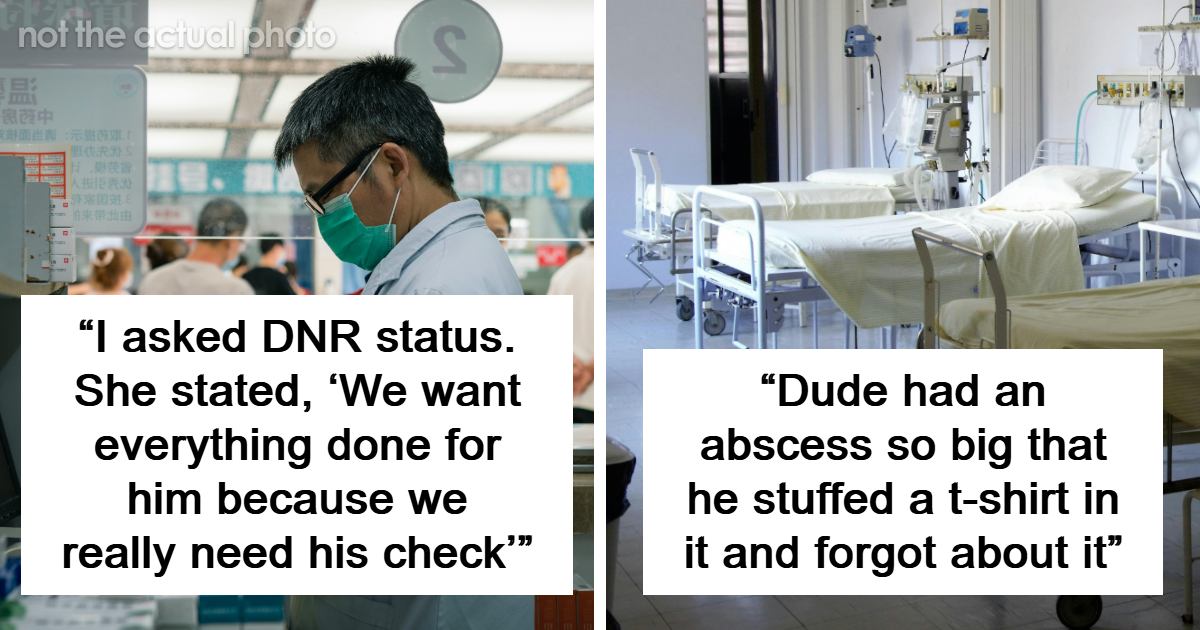
Hospitals are supposed to be places of healing, science, and very strong coffee. But ask medical professionals what they have seen behind the curtain, and the answer is rarely as tidy as a TV drama with perfect lighting and a heroic soundtrack. Doctors, nurses, EMTs, lab techs, respiratory therapists, and hospital aides often carry memories that are strange, unsettling, emotionally heavy, or just plain impossible to explain at dinner without making everyone suddenly fascinated by their mashed potatoes.
The phrase “medical professionals creepy experiences” may sound like internet campfire bait, but the reality behind these stories is more complicated. Some moments are eerie because they happen at 3:17 a.m. in a quiet hallway. Some are disturbing because they reveal how fragile people can be. Others stick because healthcare workers are trained to stay calm while the rest of us would be speed-walking toward the exit with a clipboard held like a shield.
This article explores the kinds of experiences medical professionals often say they would rather wipe from memory: not as cheap shock, but as a look at the emotional weight of modern healthcare. The creepiest hospital stories are not always about the supernatural. Sometimes the scariest thing in the room is exhaustion, silence, a malfunctioning alarm, or a family conversation that exposes the uncomfortable side of human nature.
Why Medical Professionals Remember the Strange Stuff
Medical workers are trained to observe details. That is great for diagnosing illness, spotting changes, and saving lives. It is less great when the brain decides to archive every odd sound, unusual coincidence, and emotionally loaded moment in permanent storage. A nurse may forget what she had for lunch but remember the exact pattern of ceiling tiles in a room where something upsetting happened years ago. The human brain is weird like that. Very useful, very dramatic.
Healthcare settings also create the perfect recipe for unforgettable experiences: high stress, long shifts, sleep deprivation, emotional intensity, urgent decisions, and constant exposure to people at their most vulnerable. Add fluorescent lights and a vending machine sandwich at 2 a.m., and suddenly even a normal hallway can feel like it was designed by a horror director with a medical license.
Common Types of Creepy Experiences in Healthcare
1. The Night Shift Silence
Many hospital horror stories begin with quiet. Not movie-style quiet, but hospital quiet: machines humming, shoes squeaking, distant carts rolling, a call light blinking at the end of the hall. Night shift workers often describe a unique kind of unease when an area that is normally busy becomes still. An empty operating suite, a dim emergency department hallway, or a closed clinic after hours can make even experienced staff feel watched by absolutely nothing in particular.
The rational explanation is simple: healthcare workers are alert because they have to be. Quiet can mean calm, but it can also mean something is about to need attention. That uncertainty is what gives night shift hospital stories their eerie flavor.
2. Patients Who Say Something Too Accurate
Medical professionals sometimes report patients making comments that feel strangely specific. A confused patient might mention a relative before the family has arrived. Someone recovering from sedation might describe a dream that lines up too closely with a real conversation outside the room. In most cases, there are ordinary explanations: overheard sounds, memory fragments, medication effects, or the brain trying to stitch together meaning while under stress.
Still, when it happens at 4 a.m. and the patient looks directly at a corner of the room while everyone else pretends not to notice, even the most science-minded clinician may briefly consider transferring to dermatology.
3. The Room That Feels “Off”
Ask enough healthcare workers, and many will admit there are rooms, hallways, or units that feel different. Not cursed. Not haunted. Just heavy. Often, these are places where staff have repeatedly handled difficult cases, intense family meetings, or stressful emergencies. The feeling is not magic; it is memory attaching itself to a physical space.
In healthcare, rooms are not just rooms. They hold conversations, decisions, waiting, hope, fear, relief, and loss. Staff may walk into a familiar space and feel a wave of tension before they can name why. That is not weakness. That is the nervous system keeping receipts.
4. When Technology Acts Up at the Worst Time
Hospitals run on technology, and technology has a flair for dramatic timing. Monitors alarm when no one is near them. Printers jam during urgent paperwork. Automatic doors open into empty hallways. A computer system freezes at the exact moment someone needs a chart. None of this proves the hospital is haunted, but it does prove machines have a terrible sense of humor.
Alarm fatigue is a serious issue in healthcare because staff hear so many alerts that the brain must constantly sort urgent signals from routine noise. When a strange alarm sounds in a quiet unit, it can feel creepy even when the cause is ordinary. The real concern is not ghosts; it is making sure important alerts are noticed and handled quickly.
The Human Side: Creepy Is Sometimes Code for Heartbreaking
Some experiences stay with medical professionals because they reveal uncomfortable truths. A patient may be lonely. A family may argue in a moment that calls for compassion. A healthcare worker may watch a preventable problem become serious because someone delayed care. These memories are not spooky in the Halloween sense. They are unsettling because they show how messy life can become when fear, money, denial, illness, and family dynamics collide.
This is where many “doctors creepy encounters” become more than internet stories. They become reminders that clinicians are not robots in scrubs. They absorb the atmosphere of a room, the tone of a conversation, and the emotional aftershock of decisions they did not create but still have to manage.
Burnout Makes the Memories Stick Harder
Healthcare burnout is not just being tired after a long week. It can involve emotional exhaustion, detachment, and the sense that the work no longer feels meaningful. When clinicians are already stretched thin, disturbing or strange experiences can land harder. A bizarre comment from a patient may be funny on a good day and deeply unsettling on a bad one.
Burnout also changes how people process stress. A well-rested clinician may debrief, laugh gently with coworkers, document what needs documenting, and move on. An exhausted clinician may carry the same moment home, replay it during dinner, and then think about it again while trying to sleep. The memory becomes sticky because the brain never gets a proper chance to file it away.
The “Second Victim” Effect After Bad Outcomes
One of the most important ideas in patient safety is the “second victim” phenomenon. It describes healthcare workers who are emotionally affected after an adverse event, near miss, or unexpected outcome. The patient and family always matter first, but clinicians can also experience guilt, anxiety, self-doubt, and fear after being involved in a difficult event.
This helps explain why some medical staff say certain experiences feel impossible to erase. The memory may not be one dramatic image. It may be a question: “Could I have done something differently?” Even when the answer is no, the mind may keep asking. That loop can be more haunting than any dark hallway.
Workplace Violence and the Creepy Side of Being on Alert
Healthcare workers also face verbal abuse, threats, and sometimes physical danger. Emergency departments, psychiatric units, waiting rooms, and high-stress family situations can become volatile. The creepiest experiences are not always mysterious. Sometimes they are moments when a professional realizes a patient or visitor is escalating and the room no longer feels safe.
That kind of fear changes the body fast. Staff may notice exits, scan hands, lower their voice, or position themselves near a door. These are practical safety habits, but they also show how much emotional labor is hidden behind calm bedside manners. The nurse smiling at the medication cart may also be calculating how quickly security can arrive. Glamorous? No. Necessary? Unfortunately, yes.
Why Medical Professionals Use Humor
Healthcare humor can be dry, odd, and sometimes dark around the edges. Outsiders may hear it and think, “Wow, that escalated faster than an ER waiting room during flu season.” But humor often works as a pressure valve. It helps staff process stress without collapsing under it.
This does not mean medical professionals do not care. In many cases, the joke exists because they care so much and need a safe way to keep functioning. A shared laugh at the nurses’ station after a strange but harmless incident can help reset the room. Humor says, “That was weird, we survived it, and now someone please find the missing thermometer.”
43 Experiences Medical Professionals Often Wish They Could Forget
Instead of presenting graphic stories, here are broad, realistic examples of the types of experiences healthcare workers often describe as unforgettable:
- A patient calmly saying something oddly specific before anyone else in the room understands why it matters.
- An empty hallway call light turning on because of a technical issue at the worst possible time.
- A family argument happening beside a patient who needs peace, not a live courtroom drama.
- A night shift worker hearing footsteps and discovering it was a supply cart settling or an automatic door cycling.
- A monitor alarm repeating so often that staff dream about the sound later.
- A patient thanking a staff member for kindness in a moment that stays with them for years.
- A room that feels emotionally heavy because too many difficult conversations happened there.
- An emergency department waiting room becoming tense before anyone says the quiet part out loud.
- A staff member finding a forgotten personal item and realizing the story behind it is sadder than expected.
- A perfectly ordinary elevator ride feeling endless after a rough shift.
- A patient waking from sedation and saying something unintentionally hilarious or unsettling.
- A power flicker causing every machine to complain at once like a choir of angry microwaves.
- A clinician replaying a near miss long after the patient is safe.
- A new worker learning that “quiet night” can be a suspicious phrase.
- A veteran nurse predicting a problem from tiny signs no one else noticed yet.
- A patient room becoming silent after hours of activity, leaving staff emotionally drained.
- A strange smell, sound, or routine detail instantly bringing back a memory from years earlier.
- A lab result arriving that changes the tone of the whole unit.
- A family member saying something so cold that the staff remember it longer than the case itself.
- A child patient being braver than every adult in the room.
- A doctor staying calm during a crisis and shaking only after stepping away.
- A nurse finishing a shift and sitting in the car before driving home because the brain needs a minute.
- A patient’s pet photo becoming the thing that helps staff connect with them.
- A routine check turning into an urgent response in seconds.
- A confused patient mistaking staff for someone from their past.
- A hallway conversation revealing how much pressure the team is under.
- A room full of machines feeling less human than one quiet hand on a shoulder.
- An old hospital basement making everyone suddenly walk faster.
- A staff member realizing the scariest thing in medicine is uncertainty.
- A patient apologizing for “being a bother” while needing serious help.
- A doctor remembering one sentence from a family meeting more than the entire chart.
- A nurse hearing the same alarm tone at a grocery store and instantly tensing up.
- A resident discovering that sleep deprivation makes every shadow more ambitious.
- An EMT remembering the quiet ride back more than the emergency itself.
- A receptionist absorbing anger from frightened people all day and still answering kindly.
- A respiratory therapist being called at exactly the moment everyone needs calm.
- A phlebotomist learning that people reveal surprising secrets during blood draws.
- A janitorial worker seeing the emotional aftermath long after everyone else leaves.
- A security officer becoming part counselor, part traffic controller, part human shield.
- A hospital chaplain carrying stories no chart can contain.
- A medical student realizing textbooks do not prepare you for the atmosphere of real suffering.
- A staff member laughing at something absurd, then feeling guilty for laughing.
- A team going home after a hard shift and coming back the next day anyway.
Additional Experiences That Make This Topic Hit Harder
The longer you listen to healthcare workers, the clearer it becomes that the most unforgettable experiences are rarely the loudest ones. They are often small moments that sneak past professional armor. A nurse might remember a patient who kept asking whether the hallway lights were stars. A physician might remember the exact way a family member squeezed a coffee cup while waiting for news. A paramedic might remember a quiet neighborhood street after the emergency was over, when the siren was off and everything looked strangely normal again.
One common thread is the emotional whiplash of medical work. A staff member may handle a frightening situation, comfort a family, answer a phone call, document care, and then immediately help the next patient who has no idea what just happened in the previous room. There is rarely a dramatic pause. No orchestra. No fade to black. Just the next task, the next chart, the next person who needs help. That constant switching can make strange experiences feel unfinished, as if the brain is still waiting for a closing scene that never arrives.
Another experience many healthcare workers describe is the odd intimacy of caring for strangers. Medical staff meet people at moments when privacy is thin and emotions are close to the surface. Patients reveal fears, regrets, jokes, memories, and family tensions. Sometimes a patient will say something so honest that the worker carries it for years. Not because it was creepy in the traditional sense, but because it felt too human to forget.
There is also the unsettling familiarity of repeated patterns. Clinicians see how often people ignore symptoms, minimize pain, skip follow-up care, or wait until a problem becomes urgent. They see how quickly a normal Tuesday can become the day a family talks about forever. That knowledge can make everyday life feel different. A doctor may watch someone brush off a warning sign and feel a quiet chill. A nurse may hear a friend say, “I’m sure it’s nothing,” and fight the urge to hand them a discharge packet and a lecture.
Some memories come from the building itself. Hospitals at night have their own personality. The cafeteria is half-asleep. The elevators take too long. The vending machine becomes a moral test. A wheelchair parked in the wrong corner can make a tired intern reconsider every life choice that led to that hallway. Most of these moments have boring explanations, but exhaustion turns boring into cinematic. The mind fills silence with possibility, and possibility is where the creeps move in wearing non-slip shoes.
Finally, many medical professionals are haunted by kindness. That may sound strange, but it is true. A patient saying “thank you” after a difficult shift can break through more defenses than fear. A family bringing cookies to a unit after a hard week can make staff emotional in the supply room. A coworker quietly taking over a task without being asked can become the reason someone makes it to the end of the night. These memories are not creepy, exactly, but they are unforgettable. They remind healthcare workers why the job matters, even when the job feels impossible.
Conclusion: The Creepiest Hospital Stories Are Usually About Being Human
The title “Seriously Gives Me The Creeps”: 43 Experiences Medical Professionals Would Like To Wipe From Memory sounds like a collection of scary stories, and yes, healthcare has plenty of eerie moments. But the deeper truth is that medical professionals remember these experiences because they work in places where life becomes intense, fragile, strange, funny, and heartbreaking all at once.
Doctors, nurses, EMTs, and hospital staff are not simply collecting spooky anecdotes for internet points. They are carrying the emotional fingerprints of real work. Their stories remind us that healthcare is not only science and skill. It is also courage, patience, teamwork, gallows humor, and the ability to walk into a room that feels heavy and still ask, “How can I help?”
Note: This article uses anonymized, composite-style examples inspired by real healthcare themes. It avoids graphic medical detail while preserving the emotional truth of why some experiences stay with medical professionals long after the shift ends.