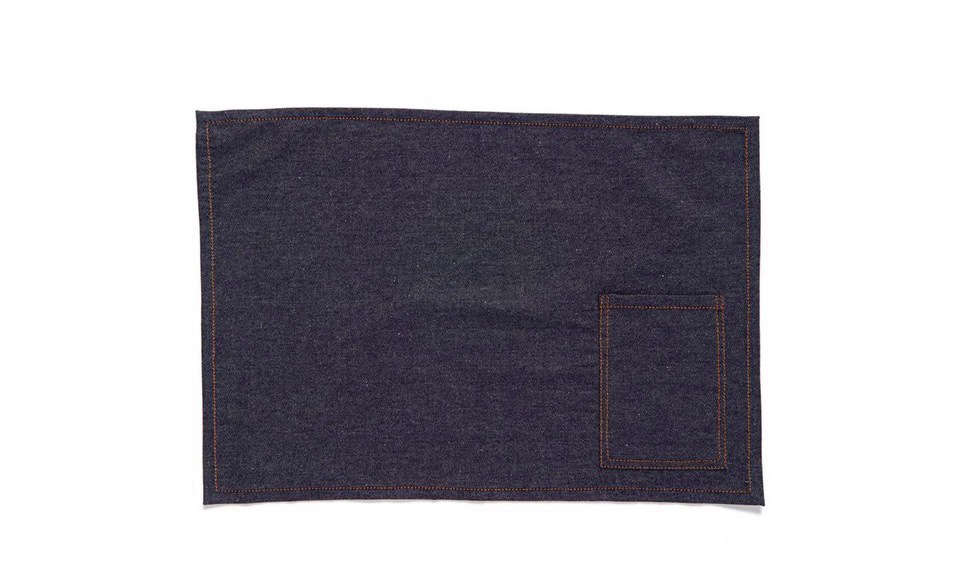
A set of 4 denim placemats is the table linen equivalent of your favorite pair of jeans: casual, reliable, surprisingly stylish, and ready to handle real life without acting precious about it. It does not need a crystal chandelier, a seven-course menu, or a napkin folded into a swan to look good. Put it under a white plate, add a fork, pour the iced tea, and suddenly the table looks intentionally relaxed instead of “we cleared the mail pile five minutes ago.”
Denim placemats sit in a sweet spot between rustic charm and everyday practicality. They bring texture to the table, protect surfaces from light scratches and crumbs, and make weeknight dinners feel a little more finished. A four-piece set is especially useful because it matches the way many homes actually eat: breakfast for two, dinner for four, lunch on the patio, or an informal gathering where someone always brings a casserole and no one knows where the serving spoon went.
This guide explores what makes denim placemats worth considering, how to style them, how to care for them, and what details separate a great set from one that wrinkles, shrinks, or fades faster than your New Year’s resolution to meal prep.
What Is a Set of 4 Denim Placemats?
A set of 4 denim placemats usually includes four matching table mats made from denim, denim-look fabric, recycled denim strips, cotton denim, denim-and-jute blends, or vinyl designed to mimic denim texture. Most rectangular placemats fall around 13 by 19 inches or 14 by 18 inches, which gives enough space for a dinner plate, flatware, napkin, and glass without making the table look like a fabric parking lot.
The appeal is simple: denim has a familiar, lived-in look. It works with farmhouse tables, coastal kitchens, casual apartments, picnic setups, modern white dinnerware, and even holiday tables that need a blue accent instead of the usual red-and-green parade. Unlike very formal linens, denim does not demand perfection. A little texture, a little fade, and a little variation can make it look better, not worse.
Why Four Pieces Make Sense
A four-piece placemat set is practical for small households and flexible for larger ones. For a family of four, it creates a ready-made everyday table setting. For couples, it provides two active placemats and two backups for guests or laundry day. For entertaining, buying two sets gives you eight coordinated place settings without forcing you to hunt for individual pieces that are “close enough,” which is a phrase that has ruined many tablescapes and several holiday moods.
Why Denim Works So Well on the Dining Table
Denim is traditionally known as a sturdy cotton twill fabric, and that durability is exactly why it translates well into home textiles. It has structure without feeling stiff, personality without being loud, and enough visual weight to anchor a place setting. On a wooden table, denim adds a soft barrier between plates and the surface. On a glass or metal table, it brings warmth. On a white table, it adds contrast. On a messy table, it buys you time before anyone notices.
Texture That Looks Casual but Considered
Texture is one of the easiest ways to make a table feel styled. Denim placemats create visual depth because the weave, stitching, washed color, or patchwork effect catches the eye. A plain blue denim placemat can make a simple white plate look crisp. A distressed denim placemat can make a rustic table look collected. A fringed or woven denim placemat can make a brunch table look like someone with excellent taste lives there, even if breakfast is just toast and a heroic amount of coffee.
A Color That Plays Nicely With Others
Denim blue is wonderfully cooperative. It pairs with white, cream, gray, black, tan, terracotta, mustard, sage green, navy, red, and natural wood tones. For summer, it feels coastal with white dishes and clear glassware. For fall, it softens orange pumpkins and warm brass. For winter, it adds depth to evergreen branches and candles. For spring, it looks fresh beside yellow flowers or pale pink napkins. Denim is basically the friend who can talk to everyone at the party.
Key Features to Look For Before Buying
Not every denim placemat set is created equal. Some are thick and structured; others are lightweight and decorative. Some are machine washable; others should be spot cleaned. Some are true denim; others use a denim print or a woven blend. Before buying a set of 4 denim placemats, pay attention to the following details.
1. Material Composition
If you want a soft, textile feel, look for cotton denim or a cotton-rich blend. Cotton denim feels natural, absorbs small drips, and usually suits everyday dining. If you prefer an earthy, handcrafted look, consider denim mixed with jute or chindi-style recycled fabric strips. These pieces often have a rustic, boho texture. If easy wipe-clean performance matters most, a vinyl denim-look placemat may be better for kids, outdoor meals, or saucy dinners where spaghetti behaves like modern art.
2. Size and Shape
Rectangular denim placemats are the most versatile choice for everyday dining tables. A size around 13 by 19 inches or 14 by 18 inches works for most standard dinner plates. Round denim-look placemats can be beautiful on round tables, breakfast nooks, or layered settings, but they may offer less coverage for flatware. Measure your table before buying. Four oversized placemats on a small table can overlap awkwardly, while tiny placemats can make dinnerware look like it outgrew its outfit.
3. Thickness and Protection
A good placemat should protect against light spills, crumbs, plate movement, and minor scratches. Denim is helpful because it creates a soft layer, but it is not a trivet. Do not place hot pans, cast iron skillets, or baking dishes directly on denim placemats unless the product specifically says it is heat resistant. Your table deserves protection, and your placemat does not deserve to become a toasted denim pancake.
4. Stitching and Edges
Look closely at the edges. Hemmed edges tend to look neat and polished. Fringed edges feel casual and bohemian. Bound edges can add durability. Patchwork designs should have secure seams and even stitching. If the placemat is reversible, check that both sides are attractive and functional. A reversible placemat that only looks good on one side is not reversible; it is just ambitious.
5. Cleaning Instructions
Care instructions matter. Machine-washable denim placemats are best for frequent use, especially in homes with children, pets, or enthusiastic sauce users. Spot-clean-only placemats may still be beautiful, but they are better for decorative settings or occasional meals. For dark denim, cold water and gentle washing help preserve color. Air drying is usually safer than high heat, which can shrink cotton and roughen fibers.
How to Style Denim Placemats for Different Looks
The best thing about denim placemats is their range. They can look rustic, coastal, modern, patriotic, industrial, casual, or cozy depending on what you place around them. Here are a few easy styling formulas.
Farmhouse Casual
Pair denim placemats with white stoneware plates, simple stainless flatware, mason jar glasses, and a small pitcher of wildflowers. Add linen napkins in cream or oatmeal for a softer look. This style works beautifully on a wooden dining table and feels welcoming without trying too hard.
Coastal Weekend
Use light-wash denim placemats with white dishes, blue-striped napkins, woven chargers, and clear glass tumblers. Add a bowl of lemons or a small vase of hydrangeas. The result is breezy and relaxed, like a beach house table even if the nearest ocean is your neighbor’s inflatable pool.
Modern Everyday
Choose dark denim placemats and combine them with matte black flatware, white plates, and simple glassware. Keep the centerpiece minimal: a single candle, a low ceramic bowl, or a small plant. This look is clean, urban, and easy to reset after dinner.
Holiday Americana
Denim placemats naturally suit patriotic holidays, summer barbecues, Memorial Day meals, and Fourth of July cookouts. Add red napkins, white plates, and blue glassware for a festive setting that does not require glitter, plastic flags, or a centerpiece shaped like a firework.
Boho Texture Mix
For a warmer, more layered table, combine denim placemats with rattan chargers, handmade pottery, amber glasses, and napkins in rust, mustard, or olive. This style works especially well with recycled denim or denim-and-jute placemats because the texture feels collected and natural.
Denim Placemats vs. Other Placemat Materials
Choosing placemats often comes down to lifestyle. Linen is elegant and breathable, but it wrinkles. Rattan and jute are gorgeous and textured, but they can be harder to clean. Vinyl is wipeable and practical, but it may not feel as cozy as fabric. Cotton is washable and versatile, but it can stain. Denim shares some of cotton’s strengths while adding a more rugged personality.
If your table is used daily, denim placemats are a strong middle-ground option. They look more substantial than thin cotton mats, feel less formal than linen, and bring more softness than hard placemats. They are especially good for casual dining rooms, kitchen tables, breakfast bars, dorm apartments, cabin kitchens, and outdoor covered patios.
How to Care for Denim Placemats
Proper care keeps denim placemats looking relaxed instead of tired. Always follow the product label first, because blends, dyes, backing materials, and trims can change the best cleaning method. If the placemats are washable cotton denim, these habits usually help.
Shake and Spot Clean After Meals
After eating, shake off crumbs and wipe fresh spills quickly. For stains, blot instead of rubbing. Rubbing can push food deeper into the fibers and spread the stain into a larger, more dramatic shape. Tomato sauce does not need help becoming the main character.
Wash With Like Colors
Dark denim can release dye, especially during early washes. Wash denim placemats with similar colors, use cold water, and choose a gentle cycle when possible. Avoid bleach unless the care label specifically allows it, because bleach can weaken fibers and discolor denim.
Air Dry When Possible
Air drying helps reduce shrinkage and fading. Lay the placemats flat or hang them neatly so they keep their shape. If you use a dryer, choose low heat if the label permits. High heat can make cotton shrink and can cause edges to curl.
Iron or Steam Lightly
If your placemats wrinkle, iron them on the appropriate cotton setting or steam them lightly. For dark denim, ironing from the reverse side can help protect the surface color. A press cloth is useful if the placemat has printed details, embroidery, or decorative stitching.
When a Set of 4 Denim Placemats Is the Best Choice
A denim placemat set is ideal when you want table linens that look stylish but not fussy. It is perfect for everyday meals, casual dinner parties, family breakfasts, patio lunches, rustic weddings, themed tables, and homes where the dining table also doubles as a homework station, craft zone, laptop desk, and occasional landing pad for grocery bags.
It may not be the best choice for highly formal dining, luxury table settings with delicate china, or situations where you need waterproof protection. For those cases, you might prefer fine linen, coated placemats, chargers, or a full tablecloth. But for most real homes, denim placemats offer a rare mix of practicality and personality.
Smart Buying Tips
Before adding a set to your cart, think about how you actually eat. If your household uses placemats every day, choose washable cotton denim or a durable blend. If you host often, consider buying two identical sets so you can seat eight. If your table is small, check dimensions carefully. If you love a handcrafted look, recycled denim or chindi denim placemats may offer more character. If you want a cleaner finish, choose dark denim with neat hems.
Also consider color depth. Dark indigo looks polished and modern, but it may show lint. Light denim feels casual and summery, but it may show stains sooner. Medium-wash denim is the safest all-purpose choice, much like the jeans you grab when you have five minutes to leave and no emotional energy for fashion decisions.
Sustainability and the Appeal of Upcycled Denim
One reason denim placemats have become popular is the growing interest in upcycled and recycled home decor. Denim is a durable material, and when old jeans or denim scraps are transformed into placemats, runners, pillows, or rugs, the fabric gets a second life instead of becoming waste. Upcycled denim placemats often have charming variations in color and weave, which can make each piece feel unique.
That said, “eco-friendly” is a broad claim. If sustainability matters to you, look for specific details: recycled cotton content, upcycled denim cuttings, artisan-made construction, low-impact dyes, plastic-free packaging, or transparent production practices. A placemat does not become sustainable just because it is blue and has a rustic photo. Details matter.
Frequently Asked Questions About Denim Placemats
Are denim placemats machine washable?
Many cotton denim placemats are machine washable, but not all of them. Always check the care label. Placemats with jute, backing, fringe, embroidery, or special finishes may need spot cleaning or gentle washing.
Do denim placemats shrink?
Cotton denim can shrink if washed in hot water or dried on high heat. Cold water and air drying are safer choices for preserving size and shape.
Can denim placemats protect a wood table?
They can help protect against crumbs, light scratches, and minor plate movement. However, they are not waterproof barriers or heat pads. Use coasters for drinks and trivets for hot cookware.
Do denim placemats work for formal dinners?
They work best for casual, rustic, modern, coastal, or relaxed dinner settings. For very formal events, linen, chargers, or tailored tablecloths may feel more appropriate.
What dishes look best with denim placemats?
White plates are the easiest pairing, but denim also looks excellent with stoneware, speckled ceramics, navy dishes, matte black plates, warm wood boards, and colorful seasonal napkins.
Experience Notes: Living With a Set of 4 Denim Placemats
The real test of any placemat is not how it looks in a perfectly lit product photo. It is how it performs on a Tuesday night when dinner is tacos, one person wants extra salsa, one glass is sweating onto the table, and someone has placed a fork exactly where a fork should not be placed. This is where a set of 4 denim placemats quietly earns its keep.
In daily use, denim placemats create an immediate sense of order. Even if the meal is simple, setting down four matching mats makes the table look prepared. The effect is small but noticeable. Plates stop floating visually in the middle of the table. Flatware has a defined place. Napkins look intentional. A denim placemat turns “grab a plate” into “dinner is served,” without requiring anyone to light candles or use the word “tablescape” out loud.
They are also forgiving. A white linen placemat can make every drip feel like a household emergency. Denim, especially medium or dark wash, handles ordinary life with more patience. Crumbs brush off easily. Small wrinkles blend into the casual texture. Fading, if it happens gradually, can look natural rather than disastrous. The fabric has the same emotional energy as good jeans: it does not panic.
One of the best experiences with denim placemats is how easily they move between settings. At breakfast, they look relaxed with mugs, cereal bowls, and fruit. At lunch, they pair well with sandwiches, salad plates, and iced tea. At dinner, they can be dressed up with cloth napkins and heavier flatware. Outside, on a covered patio, they bring softness to a metal or wood table. Indoors, they warm up modern dinnerware. This flexibility means they do not sit in a drawer waiting for a “special occasion,” which is where many table linens go to retire.
A four-piece set also encourages consistency. When all four place settings match, the table feels calmer. This matters more than people think. Mixed placemats can be charming, but they can also look accidental if the colors and textures fight each other. Four denim placemats create a clean foundation, letting you change the mood with napkins, dishes, flowers, candles, or serving pieces.
There are a few honest drawbacks. Denim fabric can absorb spills, so it is not as quick to clean as vinyl. Dark denim may transfer color if it is poorly dyed or washed carelessly. Thick woven styles may take longer to dry. Fringed edges can curl or tangle if treated roughly. But these are manageable issues, especially if you buy a well-made set and follow the care instructions.
The biggest surprise is how much denim placemats soften the mood of a meal. They make the table feel less formal and more approachable. Guests are not afraid to sit down. Kids do not feel like they are dining in a museum. Adults can enjoy a good-looking table without hovering over every glass of juice. In other words, denim placemats help the table do what it is supposed to do: welcome people, hold food, and survive the evening with dignity.
Conclusion
A set of 4 denim placemats is a smart choice for anyone who wants a table that feels stylish, relaxed, and ready for real meals. Denim brings texture, durability, color, and casual charm to everyday dining. It pairs easily with white plates, rustic ceramics, seasonal napkins, wood tables, modern glassware, and outdoor meals. Whether you choose classic cotton denim, recycled denim, denim-and-jute blends, or wipe-clean denim-look vinyl, the right set can make your table more inviting without making your life more complicated.
The best denim placemats are properly sized, neatly stitched, easy to care for, and suited to your dining habits. Choose washable cotton for everyday use, recycled denim for character, darker tones for a polished look, or lighter washes for a breezy casual feel. Treat them well, wash gently, air dry when possible, and they will reward you with many meals of low-maintenance style. In a world full of fussy decor, denim placemats are refreshingly useful. They are not trying to impress the silverware. They are just here to make dinner look good.