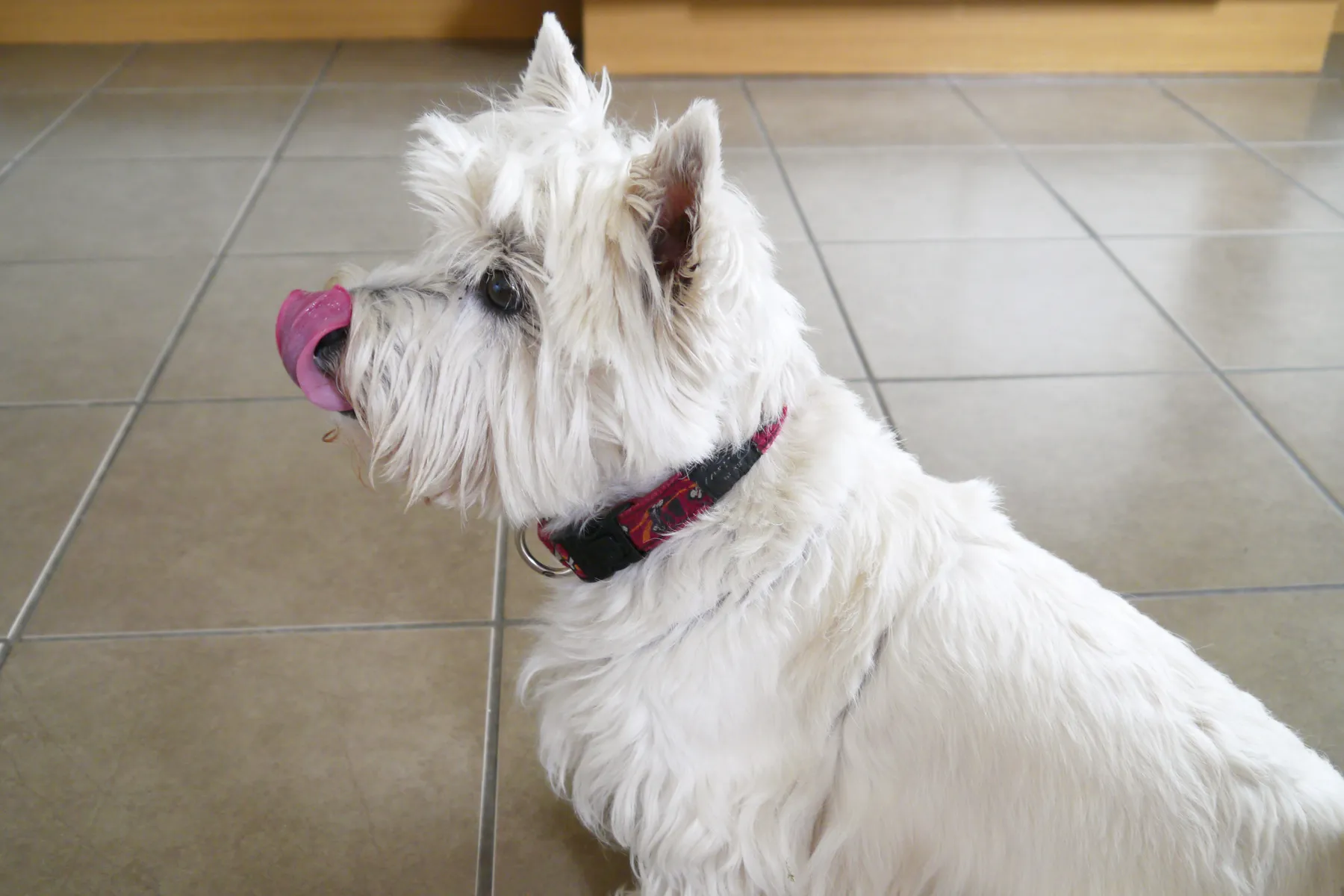
Your dog may stare at a carrot with the same intensity normally reserved for steak, squirrels, and unattended sandwiches. But should dogs eat vegetables, or is feeding produce simply a human wellness trend that wandered into the dog bowl?
The short answer is yes: most healthy dogs can eat certain vegetables in moderation. Plain carrots, green beans, cucumbers, zucchini, pumpkin, and several other vegetables can provide fiber, moisture, variety, and useful nutrients. They may also replace higher-calorie treats for dogs that need help maintaining a healthy weight.
However, vegetables are optional additionsnot nutritional magic wands. A complete and balanced dog food should still provide most of a dog’s daily calories. Some vegetables are unsafe, while others become problematic when served with butter, salt, seasonings, sauces, or oversized ambitions.
Do Dogs Need Vegetables in Their Diet?
Dogs can digest and use nutrients from both animal- and plant-based ingredients. Although their ancestors were hunters, domesticated dogs adapted over thousands of years to eat a more varied diet that includes digestible carbohydrates.
That does not mean every dog needs a personal salad bar. A commercial food labeled complete and balanced for the dog’s appropriate life stage should already supply the required protein, fats, vitamins, minerals, and other essential nutrients. Vegetables can complement that foundation, but randomly adding produce does not make an already balanced diet “more balanced.” Nutrition is not a game in which extra spinach automatically earns bonus points.
Vegetables are most useful as occasional treats, meal toppers, training rewards, or low-calorie substitutions for richer snacks. Dogs eating a properly formulated diet can live healthy lives without separate vegetable servings.
Potential Benefits of Vegetables for Dogs
Fiber and Digestive Support
Many vegetables contain dietary fiber, which can influence stool quality, intestinal movement, and feelings of fullness. Plain pumpkin is commonly used in small portions as a source of soluble and insoluble fiber. Green beans, carrots, and squash also contribute fiber without bringing the calorie load of cheese or fatty meat scraps.
More fiber is not always better. A sudden vegetable festival can cause gas, loose stool, constipation, or abdominal discomfort. Dogs with digestive disorders may need a particular type and amount of fiber, so owners should not treat pumpkin or broccoli as universal gastrointestinal medicine.
Lower-Calorie Treat Options
More than half of many adult pet-dog populations are overweight or obese, making treat calories surprisingly important. Small pieces of cucumber, zucchini, celery, or green bean can offer crunch and volume with fewer calories than many biscuits.
The key word is “replace.” Adding vegetables on top of every regular meal, snack, chew, and table scrap can still increase total calorie intake. A cucumber may be light, but twenty “tiny” snacks distributed by four affectionate family members are no longer nutritionally invisible.
Moisture, Texture, and Enrichment
Cucumbers, zucchini, and other water-rich vegetables can add moisture to a dog’s snack routine. Different textures and aromas may also provide enrichment, especially when small pieces are placed in a food puzzle or used during training.
Some dogs love vegetables. Others accept a carrot, carry it ceremonially into another room, and abandon it under a chair. Both responses are normal. A dog does not have to enjoy produce to be healthy.
Vitamins and Plant Compounds
Vegetables naturally contain nutrients such as beta-carotene, potassium, vitamin C, vitamin K, and folate. Still, the nutritional value of a vegetable snack should not be confused with medical treatment. Feeding sweet potato will not correct a diagnosed deficiency, cure arthritis, or replace veterinary care.
What Vegetables Can Dogs Eat?
The following dog-friendly vegetables are generally appropriate for healthy dogs when washed, prepared plainly, cut into safe pieces, and offered in moderation.
Carrots
Raw or cooked carrots can be low-calorie, crunchy treats. Cut them according to the dog’s size and chewing habits, because a large chunk can become a choking hazard. Soft, cooked pieces may be easier for puppies, seniors, and dogs with dental problems.
Green Beans
Fresh, frozen, steamed, or no-salt-added canned green beans can be served as long as they are plain. Avoid casseroles and seasoned beans containing butter, cream, onions, or garlic. Green beans are popular weight-management treats, but replacing a large part of a balanced meal with them can create nutritional deficiencies.
Cucumbers and Zucchini
These mild, water-rich vegetables are convenient options for dogs that enjoy crisp snacks. Wash them thoroughly and cut them into bite-size pieces. They provide less concentrated nutrition than some brightly colored vegetables, but their low calorie density makes them useful treat substitutes.
Pumpkin and Winter Squash
Plain cooked pumpkin or squash can provide fiber and beta-carotene. Use pure pumpkin rather than pumpkin pie filling, which may contain sugar, spices, fat, or unsafe sweeteners. Remove tough rinds, stems, and large seeds before serving.
Sweet Potatoes
Sweet potatoes should be cooked until soft and offered without butter, salt, syrup, or marshmallows. Remove the skin if it is tough or difficult for the dog to digest. Because sweet potatoes are starchier and more calorie-dense than cucumber or green beans, portions should be smaller.
Peas
Plain fresh or frozen green peas can be occasional treats. Avoid canned peas with added sodium and never let a dog eat a pea pod that is tough or likely to cause choking.
Peas and other pulses have also been studied as components of certain diets associated with canine dilated cardiomyopathy. The relationship is complex and has not been reduced to “one pea causes heart disease.” Occasional peas are different from feeding an unbalanced diet in which pulses are major ingredients. Owners concerned about their dog’s main food should discuss the complete formulation with a veterinarian.
Broccoli and Cauliflower
Small amounts of plain broccoli or cauliflower are generally acceptable. Large servings can cause gas and gastrointestinal irritation. Broccoli florets contain compounds called isothiocyanates, so this vegetable belongs in the “occasionally and modestly” category rather than the “fill the bowl” category.
Celery and Bell Peppers
Plain celery can be served in small pieces with strings removed when necessary. Bell peppers are also acceptable after removing the stem, seeds, and core. Mild red, yellow, orange, and green bell peppers are suitable; hot peppers are not. A dog does not need to discover jalapeños through personal experimentation.
Vegetables Dogs Should Not Eat
Onions, Garlic, Chives, Leeks, and Related Plants
Members of the allium family can damage canine red blood cells and cause potentially serious anemia. Raw, cooked, powdered, dried, and concentrated forms can all be harmful. Onion and garlic powders are especially easy to overlook in soups, sauces, seasonings, baby foods, and prepared meals.
Signs may include vomiting, weakness, pale gums, rapid breathing, or an increased heart rate, but symptoms can be delayed. Contact a veterinarian promptly after a suspected exposure instead of waiting for the dog to appear ill.
Wild Mushrooms
Some wild mushrooms can cause severe poisoning, including liver or neurologic damage. Identification is difficult, and a confident guess is not a safety plan. Prevent dogs from eating mushrooms found in yards, parks, or hiking areas. Plain grocery-store mushrooms may not be inherently toxic, but they offer little reason to accept the confusion or risk.
Raw or Green Potatoes
Raw potatoes and green potato skins may contain higher concentrations of solanine and related compounds. If potatoes are offered at all, they should be fully cooked, peeled when appropriate, and completely plain. French fries, chips, buttery mashed potatoes, and loaded baked potatoes are too fatty, salty, or heavily seasoned.
Green Tomatoes and Tomato Plants
A small amount of ripe red tomato flesh is generally considered low risk for most dogs. Green tomatoes, stems, leaves, and other parts of the plant contain more potentially harmful glycoalkaloids and should be avoided. Keeping dogs away from garden plants is safer than asking them to evaluate ripeness.
Corn Cobs
Plain corn kernels can be eaten by many dogs, but the cob is a serious obstruction hazard. Dogs can swallow large sections that become lodged in the digestive tract and require emergency treatment. Secure discarded cobs during cookouts and family meals.
How to Prepare Vegetables for Dogs Safely
- Wash the produce. Remove dirt, debris, and surface residues.
- Remove hazardous parts. Discard cobs, pits, hard stems, tough rinds, cores, and inedible leaves.
- Cut vegetables into appropriate pieces. Match the size to the dog’s mouth, body size, dental health, and tendency to gulp food.
- Serve them plain. Skip salt, butter, oil, gravy, cheese, dressings, and seasoning blends.
- Cook firm or starchy vegetables. Steaming, boiling, or baking can make sweet potatoes, squash, and similar foods easier to chew and digest.
- Introduce one food gradually. Start with a tiny amount and monitor for vomiting, diarrhea, gas, itching, or other unusual reactions.
- Refrigerate leftovers promptly. Discard produce that is spoiled, moldy, or left at an unsafe temperature.
Raw vegetables are not automatically healthier. Cooking can soften plant material and make some foods easier to digest. Conversely, crunchy raw cucumber or carrot may work well for a dog that chews carefully. Preparation should fit the individual animal rather than a fashionable feeding rule.
How Many Vegetables Can a Dog Eat?
Veterinary nutrition guidance commonly recommends that treats and other extras provide no more than about 10% of a dog’s total daily calories. At least 90% should come from a complete and balanced diet unless a veterinarian or board-certified veterinary nutritionist has formulated a different plan.
The 10% figure is a ceiling, not a required daily vegetable target. A small dog may have only a few dozen treat calories available each day. A large dog may have more, but unlimited vegetables can still cause digestive problems or displace essential nutrition.
Begin with one or two small pieces. If the dog tolerates them, adjust the portion according to body size, calorie needs, stool quality, and the number of other treats received. Owners using vegetables for weight loss should ask a veterinarian to calculate an appropriate calorie target rather than dramatically reducing the regular food.
When Should Dogs Avoid Extra Vegetables?
Consult a veterinarian before changing the diet of a puppy, pregnant or nursing dog, underweight dog, senior with medical problems, or dog receiving a therapeutic prescription food. Extra ingredients can interfere with carefully controlled levels of protein, fat, minerals, fiber, or other nutrients.
Dogs with diabetes, pancreatitis, chronic gastrointestinal disease, food allergies, kidney disease, urinary stones, or heart disease may require individualized guidance. Even a normally safe vegetable may not fit every treatment plan.
Persistent vomiting, repeated diarrhea, a swollen or painful abdomen, marked weakness, breathing changes, pale gums, collapse, choking, or suspected ingestion of a toxic food requires prompt veterinary attention. Do not induce vomiting or try a home remedy unless a veterinary professional specifically instructs you to do so.
Practical Experiences: What Feeding Dogs Vegetables Often Looks Like
Real-world vegetable feeding is usually less dramatic than internet debates suggest. Consider a dog that receives several calorie-dense biscuits every afternoon. Replacing one biscuit with a few pieces of cucumber or green bean can reduce treat calories while preserving the ritual the dog values: sitting nicely, hearing praise, and collecting payment. The benefit comes from the substitution, not from a secret detoxifying power hidden inside the cucumber.
Another common experience involves pumpkin. An owner hears that pumpkin helps digestion and adds a large scoop to every meal. The dog then develops gas or loose stool because the diet changed too quickly. A more successful approach is to ask a veterinarian whether additional fiber is appropriate and start with a modest, measured amount. The difference between helpful and excessive can be surprisingly small, particularly for a toy breed.
Training provides another useful example. Tiny carrot slivers or thawed green peas may work as rewards for simple exercises at home. In a busy class surrounded by other dogs, however, the same vegetable may have approximately the motivational power of a parking receipt. Owners can use low-calorie vegetables for easy behaviors and reserve higher-value rewards for difficult situations, while counting all rewards in the daily calorie allowance.
Families also discover that feeding consistency matters. One person may carefully measure the dog’s meals while everyone else shares “just one” vegetable, cracker, or bite of dinner. Keeping a treat container with the dog’s entire daily allowance helps prevent accidental overfeeding. When the container is empty, the snack department is closed, regardless of how convincingly the dog claims to have received no food since 2019.
Texture preferences vary considerably. One dog crunches raw carrot enthusiastically; another spits it onto the floor with editorial disapproval. The second dog may accept a steamed piece, puréed pumpkin, or finely chopped zucchini mixed into regular food. Offering different safe textures can identify preferences, but there is no need to keep negotiating if the dog remains uninterested.
Choking risk becomes obvious when owners compare dogs rather than vegetables. A careful Labrador may chew a carrot slice thoroughly, while a smaller dog may attempt to inhale the same piece whole. Cutting food into appropriately sized bites, softening hard vegetables, and supervising snacks are more important than following a single serving style for every breed.
Vegetable treats can also support enrichment. A few green beans frozen inside an interactive toy may keep a dog occupied longer than handing over the same food directly. Small pieces can be scattered in a clean snuffle mat or used during short training sessions. This turns a modest amount of food into an activity involving sniffing, problem-solving, and interaction.
Finally, successful feeding experiments are boring in the best possible way. Owners introduce one plain vegetable, offer a small portion, watch the dog’s response, and make adjustments gradually. There is no overflowing bowl, complicated cleanse, or heroic attempt to persuade a carnivorous-looking roommate to appreciate kale. Vegetables simply become one optional tool within a balanced feeding routine.
Conclusion: Should Dogs Eat Vegetables?
Dogs can eat many vegetables, but they do not need a large produce section in every bowl. Plain carrots, green beans, cucumbers, zucchini, pumpkin, squash, and similar options can be healthy occasional treats when portions are small and preparation is safe.
Vegetables should generally stay within the dog’s treat allowance and should not replace complete and balanced food. Avoid onions, garlic, chives, leeks, wild mushrooms, green potato parts, tomato plants, and dangerous items such as corn cobs. When a dog has a medical condition or eats a prescription diet, ask the veterinary team before adding extras.
Note: This article provides general educational information and is not a substitute for individualized veterinary advice. If your dog eats a potentially toxic food or develops concerning symptoms, contact a veterinarian promptly.