Packing a suitcase can feel like trying to solve a tiny, zippered puzzle while your closet quietly judges you. You start with five shirts, blink once, and suddenly your luggage looks like a fabric ganized, and reduce the dreaded “I slept in this at the airport” wrinkle effect.
Rolling shirts is especially helpful for T-shirts, casual button-downs, polos, workout tops, undershirts, and travel-friendly fabrics such as knits, jersey, merino wool, and synthetic blends. It is not magicyou still cannot fit an entire walk-in closet into a carry-onbut it is one of the simplest packing techniques for making your suitcase neater and easier to unpack.
This guide breaks down the process into eight simple steps, including a basic shirt roll, the more secure “Ranger roll,” wrinkle-prevention tips, and real-world packing advice for different kinds of trips. Whether you are packing for a weekend getaway, a business conference, a backpacking adventure, or a family vacation where everyone somehow needs “just one more shirt,” these steps will help you roll smarter.
Why Roll Shirts Instead of Folding Them?
Rolling shirts works because it turns flat fabric into compact cylinders that fit neatly beside one another. Instead of stacking shirts in a pile that gets messy the moment you pull out the bottom one, rolled shirts can be placed side by side like little clothing burritos. You can see what you packed, grab what you need, and avoid digging through your suitcase like a raccoon in a snack cabinet.
Rolling is ideal for soft, flexible clothing. T-shirts, tank tops, athletic shirts, and casual tops usually roll well because they do not have stiff collars or structured seams. Folding may still be better for crisp dress shirts, blazers, linen tops, or anything that wrinkles if you look at it too aggressively. The best packing strategy is not “always roll” or “always fold.” It is knowing which method fits the garment.
Simple Ways to Roll Shirts for Packing: 8 Steps
Before you begin, choose a clean, flat surface such as a bed, table, or freshly wiped floor. Packing on a chaotic surface is how socks disappear into another dimension. Smooth each shirt first, fasten buttons if needed, and make sure the fabric is dry before rolling.
Step 1: Choose the Right Shirts to Roll
Start with shirts that naturally handle compression. Cotton T-shirts, polyester blends, wool travel shirts, workout tops, and soft polos are excellent candidates. These fabrics usually bounce back better than stiff woven shirts and are less likely to develop sharp crease lines.
For dress shirts, use caution. A button-up shirt with a structured collar can be rolled, but it should be rolled more loosely and placed near the top of your suitcase. If the shirt is freshly ironed for a meeting, wedding, or formal dinner, folding it with tissue paper or using a garment folder may be safer.
Step 2: Lay the Shirt Flat and Smooth It Out
Place the shirt face down on your surface. Run your hands from the collar to the hem to remove ripples. This small moment matters. Rolling a wrinkled shirt does not magically erase wrinkles; it simply preserves them in tube form. Think of smoothing as giving your shirt one last spa treatment before it enters suitcase hibernation.
If the shirt has buttons, fasten at least the top, middle, and bottom buttons to keep the front panel aligned. For polos, flatten the collar carefully. For long-sleeve shirts, stretch the sleeves outward first so you can fold them evenly in the next step.
Step 3: Fold the Sleeves Toward the Center
Fold one sleeve inward so it lies flat along the back of the shirt. Repeat on the other side. For short sleeves, this is quick: tuck each sleeve in just enough to create a straight edge. For long sleeves, fold the sleeve across the back, then angle it down so it stays within the body of the shirt.
Your goal is to create a long rectangle. The straighter the sides, the cleaner the roll. If the shirt still looks like it is trying to escape, adjust the sleeves and smooth the fabric again.
Step 4: Fold the Shirt Sides Inward
Fold the left side of the shirt toward the center, then fold the right side inward to match. You do not need to overlap the sides heavily. The idea is to narrow the shirt so the finished roll fits your suitcase, backpack, or packing cube.
For a small carry-on, make the rectangle narrower. For a larger suitcase, you can leave it slightly wider. If you use packing cubes, fold the shirt to match the width of the cube. This helps your rolled shirts sit snugly instead of bouncing around like laundry bowling pins.
Step 5: Start Rolling from the Bottom Hem
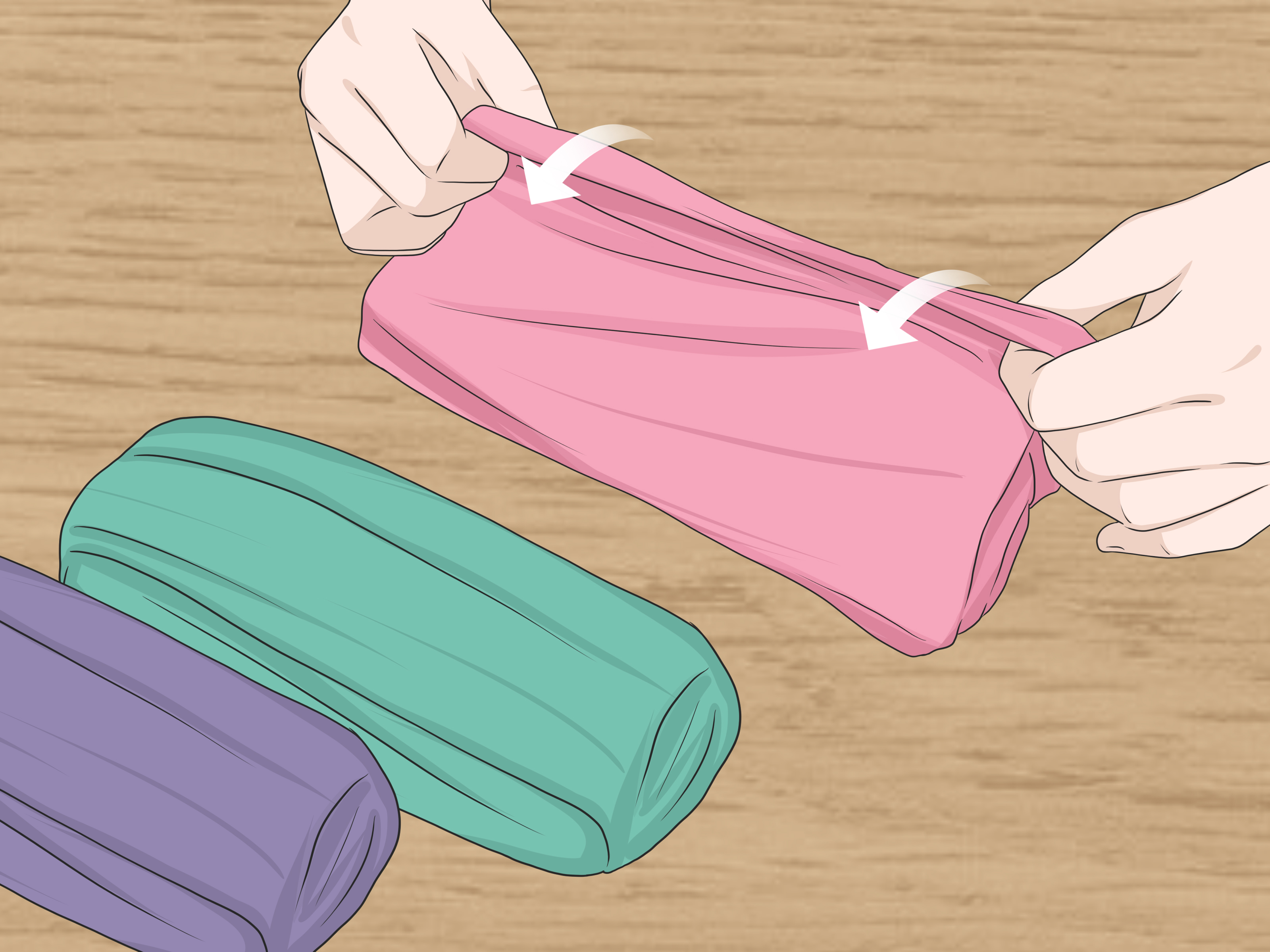
Begin at the bottom hem and roll upward toward the collar. Use both hands and keep the roll firm but not brutally tight. A tight roll saves space, but an overly tight roll can stretch fabric and create pressure wrinkles. You want “compact and tidy,” not “shirt sausage under emotional stress.”
As you roll, pause every few inches to smooth the fabric. Keep the edges aligned and avoid twisting. If the shirt has a graphic design, roll gently over the printed area to prevent cracking or creasing, especially on older shirts.
Step 6: Secure the Roll
Once the shirt is rolled, place it seam-side down in your suitcase. The weight of the roll usually keeps it closed. If you are packing a backpack or duffel bag, you may want extra security. Use a packing cube, soft elastic band, or the Ranger roll method described below.
Avoid tight rubber bands on delicate fabrics because they can leave dents. Packing cubes are usually the best option because they hold several rolled shirts together, keep your bag organized, and make unpacking much faster.
Step 7: Pack Rolled Shirts Side by Side
Place rolled shirts side by side in rows. Put heavier items, such as jeans or shoes, near the bottom or wheel side of a suitcase. Softer rolled shirts can fill gaps around packing cubes, toiletry bags, or oddly shaped items.
If you are packing a backpack, place heavier items closer to your back and use rolled shirts to fill corners. This keeps the bag balanced and prevents your clothes from shifting while you walk. For suitcases, rolled shirts often work beautifully in packing cubes because the cube acts like a drawer you can lift out when you arrive.
Step 8: Unpack or Hang Shirts When You Arrive
Rolling reduces wrinkles, but it does not eliminate them completely. When you reach your destination, remove shirts from your bag as soon as possible. Shake each one lightly and hang it up. If a shirt has mild creases, hang it in the bathroom while you take a hot shower. The gentle steam can help relax the fabric.
For stubborn wrinkles, use a travel steamer, hotel iron, wrinkle-release spray, or the classic “wear it and hope body heat saves the day” technique. The last one is not official science, but travelers have been quietly relying on it for generations.
How to Ranger Roll a Shirt for Extra Security
The Ranger roll is a popular method for keeping shirts tightly bundled. It is useful for backpacks, camping trips, gym bags, military-style packing, and anyone who wants their clothes to stay rolled even after being tossed around in transit.
When to Use the Ranger Roll
Use the Ranger roll when space is limited or when you need a shirt roll that will not unravel. It works best with T-shirts, undershirts, and thin athletic tops. Avoid using it on delicate fabrics, expensive dress shirts, or anything with a fragile print.
Basic Ranger Roll Method
Lay the shirt flat, then fold the bottom hem upward about two inches to create a cuff. Fold the sides and sleeves inward to form a narrow rectangle. Roll tightly from the collar toward the cuff. When you reach the bottom, flip the cuff over the roll to hold everything in place. The result is a secure bundle that looks suspiciously like it belongs in a survival kit.
The Ranger roll is excellent for organization, but it can create more compression than a basic roll. If wrinkle prevention is your top priority, roll a little more loosely or use the standard method instead.
Best Shirt Types for Rolling
Not every shirt wants to be rolled. Some garments cooperate beautifully; others behave like divas with buttons. Here is how to decide.
T-Shirts
T-shirts are the easiest shirts to roll. Fold the sleeves in, narrow the body, and roll from the hem. For graphic tees, keep the print facing outward less often and avoid rolling too tightly across the design.
Polos
Polos can be rolled if you protect the collar. Lay the polo face down, flatten the collar, fold the sides inward, and roll from the bottom. Place polos near the top of your bag so the collar is not crushed.
Button-Down Shirts
Casual button-down shirts can be rolled, especially if they are made from soft cotton blends, flannel, or wrinkle-resistant fabric. For crisp dress shirts, folding is usually safer. If you roll one, button it first, fold carefully, roll loosely, and place it on top.
Long-Sleeve Shirts
Long-sleeve shirts roll well when the sleeves are folded neatly. Lay each sleeve across the back and down along the body before rolling. Make sure cuffs are flat to avoid bulky lumps.
Workout Shirts
Workout shirts are packing champions. They are light, flexible, quick-drying, and usually resistant to wrinkles. Roll them tightly and use them to fill gaps in your suitcase or backpack.
Rolling vs. Folding: Which Is Better?
Rolling is best for casual clothing, soft fabrics, and tight spaces. Folding is best for structured garments, formalwear, and items that need crisp edges. The smartest packing method often combines both. Roll T-shirts, workout tops, pajamas, and casual layers. Fold dress shirts, jackets, linen pieces, and delicate blouses.
Packing cubes make either method better. They keep clothes contained, separate clean items from worn ones, and stop your suitcase from turning into a textile avalanche. If you have ever opened your bag and found your socks fraternizing with your toothbrush, packing cubes are your new best friends.
How to Prevent Wrinkles When Rolling Shirts
Wrinkle prevention starts before the roll. Do not pack shirts straight from a hot dryer in a crumpled pile. Let them cool flat or hang them first. Smooth each shirt before folding, and avoid overpacking your suitcase. Too much pressure creates creases no rolling method can fully prevent.
Use tissue paper for delicate shirts. Place a sheet over the back before folding and rolling to reduce friction. For dressier tops, roll loosely and pack them near the top. When you arrive, unpack quickly. The longer clothes stay compressed, the more likely wrinkles become permanent vacation souvenirs.
How Many Rolled Shirts Can Fit in a Carry-On?
The answer depends on shirt thickness, suitcase size, and whether you pack like a minimalist or a person preparing for seven possible versions of themselves. In a standard carry-on, you can often fit several rolled T-shirts in one medium packing cube. Thin shirts take less space, while heavyweight cotton shirts and polos require more room.
A practical approach is to pack by outfit, not by fear. For a four-day trip, you may need four tops, one backup shirt, and one sleep shirt. For longer travel, choose shirts that mix and match with the same pants or shorts. Neutral colors, quick-dry fabrics, and layers will stretch your wardrobe without stretching your zipper.
Common Mistakes to Avoid
Rolling Dirty or Damp Shirts
Never roll damp shirts unless you want your suitcase to smell like a gym locker with passport stamps. Make sure everything is completely dry before packing.
Rolling Too Tightly
A super-tight roll can save space, but it can also create wrinkles and stretch seams. Keep the roll firm, not punishing.
Ignoring Fabric Type
Soft shirts roll well. Stiff shirts may crease. Delicate shirts need gentler handling. Let the fabric tell you what it wants, even if it does not use words because, regrettably, shirts remain poor conversationalists.
Skipping Packing Cubes
You can roll shirts without packing cubes, but cubes make the system easier. They keep rolls in place, organize outfits, and simplify hotel unpacking.
Pro Packing Tips for Better Shirt Rolls
Pack similar shirts together. Put casual T-shirts in one cube, workout shirts in another, and dressier tops in a separate section. If you are traveling with family, assign each person a cube color. This prevents the classic vacation question: “Why are my shirts in your bag?”
Place the shirts you will wear first near the top of your bag. If you land late at night, keep pajamas and the next morning’s shirt easy to reach. For round-trip travel, bring an empty laundry bag or spare packing cube. Worn shirts can be rolled separately so clean clothes stay fresh.
For extra organization, roll complete outfits together. Place underwear and socks inside a T-shirt before rolling. This works well for camping, kids’ travel, gym bags, and short trips where each day has a planned outfit. It may not be ideal for dressier travel, but for casual adventures, it is wonderfully efficient.
Experience-Based Packing Advice: What Actually Works on Real Trips
After you have packed for a few trips, you learn that the best method is the one you can repeat without turning your bedroom into a laundry crime scene. Rolling shirts is simple, but the real trick is building a packing rhythm. For example, on a weekend trip, rolling shirts by outfit can save serious time. A Friday travel shirt, Saturday sightseeing shirt, Sunday return shirt, and one backup tee can all fit into a small packing cube. When you arrive, you do not have to think. You just grab the roll and go. This is especially helpful when you are sharing a hotel room and do not want to unpack your entire bag like you are opening a tiny clothing boutique.
For longer trips, rolling by category works better. Put all casual shirts in one cube, sleep shirts in another, and workout tops in a smaller cube or side pocket. This keeps your suitcase organized after several days, when even responsible adults begin tossing things around with the confidence of a raccoon in a pantry. If you plan to do laundry during the trip, roll clean shirts tightly on one side and loosely roll worn shirts in a laundry bag on the other. The separation keeps clean clothes fresher and makes laundry day less dramatic.
One useful experience is to test your packing method before the actual trip. Pack your shirts, zip the suitcase, carry it around for a minute, then open it again. If the rolls exploded, you need tighter placement or packing cubes. If the shirts look crushed, you may have packed too much. A suitcase should be full enough that items do not slide everywhere, but not so stuffed that closing it requires sitting on it while negotiating with the zipper.
Another lesson: not all “space-saving” is actually helpful. Rolling can make room for more shirts, but more shirts mean more weight and more decisions. A smart travel wardrobe usually beats a crowded one. Choose shirts that work with multiple outfits. A plain black tee, a breathable button-down, a lightweight long-sleeve shirt, and a comfortable travel top can cover more situations than seven random shirts packed during a midnight panic.
Finally, unpacking matters as much as packing. Even well-rolled shirts can wrinkle if they stay compressed for days. When you arrive, shake them out and hang the ones you care about most. If you are staying somewhere without hangers, drape shirts over a chair or towel bar. The goal is to give the fabric air and space. Rolling gets your shirts there neatly; a little attention after arrival keeps them wearable.
Conclusion
Rolling shirts for packing is one of those small travel skills that makes a surprisingly big difference. It helps save space, keeps your suitcase organized, and makes it easier to find what you need without creating a clothing landslide. The basic method is simple: lay the shirt flat, smooth it, fold the sleeves in, narrow the sides, roll from the hem, secure the roll, pack it neatly, and unpack soon after arrival.
For casual shirts, the rolling method is fast and reliable. For extra security, the Ranger roll keeps shirts bundled tightly. For dress shirts and delicate fabrics, fold carefully or roll loosely. The best packing strategy is flexible, practical, and honest about your trip. You do not need to pack every shirt you own. You need the right shirts, rolled the right way, placed where you can actually find them.
Note: This guide is intended for general travel packing and organization. Always consider fabric type, trip length, luggage size, and how wrinkle-sensitive your clothing is before choosing whether to roll or fold.