Cleaning windows should not feel like auditioning for a circus act: spray, wipe, squint, spot a streak, wipe again, question your life choices, repeat. The good news is that a Norwex Window Cloth makes the job refreshingly simple. Instead of relying on a cabinet full of glass cleaners, paper towels, and mysterious blue liquids, this microfiber polishing cloth is designed to clean and shine glass using water and smart technique.
The Norwex Window Cloth is best known for leaving windows, mirrors, glass doors, chrome, stainless steel, and other shiny surfaces looking crisp and clear. The magic is not actually magicsorry to ruin the drama. It is microfiber. High-quality microfiber can trap dust, absorb moisture, and polish away smudges without leaving lint behind. When used correctly, the cloth helps create the kind of streak-free finish that makes you suddenly notice every other dusty surface in your home.
This guide breaks down simple ways to use a Norwex Window Cloth in 7 steps, including what to do before you wipe, how much water to use, how to handle dirty windows, how to avoid streaks, and how to care for the cloth so it keeps performing well. Whether you are cleaning bathroom mirrors, patio doors covered in tiny fingerprints, or kitchen windows that have seen one too many cooking splatters, these steps will help you get better results with less fuss.
What Is a Norwex Window Cloth?
A Norwex Window Cloth is a microfiber cloth made for polishing glass and shiny surfaces. Unlike a basic rag, it is designed to work with water rather than heavy cleaning sprays. For lightly soiled glass, you can mist the surface with water and polish it with a dry Window Cloth. For dirtier surfaces, Norwex commonly recommends cleaning first with a damp EnviroCloth, then finishing with the dry Window Cloth for shine.
Think of the Window Cloth as the finishing tool. It is not meant to scoop up mud, sticky juice, or the mysterious film on the dog’s favorite window-watching spot all by itself. It performs best when the heavy grime is removed first. After that, it dries, buffs, and polishes the surface so the glass looks clear instead of cloudy.
Why Use a Norwex Window Cloth Instead of Paper Towels?
Paper towels are convenient, but they are not always kind to glass. They can leave lint, tiny particles, and streaks behind. They also disappear quickly when you are cleaning several windows, which means more waste and more trips to the store. A reusable microfiber cloth solves many of those problems. It is washable, long-lasting, and better suited for polishing surfaces that show every little smear.
Another advantage is control. With a Window Cloth, you do not need to soak the glass. In fact, too much moisture is one of the biggest reasons windows look streaky after cleaning. A light mist of water is usually enough for touch-ups. When the surface is very dirty, clean first with a damp cloth, then let the dry Window Cloth do what it does best: finish the job with a streak-free shine.
Before You Start: What You Need
You do not need a complicated cleaning kit. For most everyday jobs, you only need a Norwex Window Cloth, clean water, and a spray bottle. If the glass is very dirty, add a damp EnviroCloth or another clean microfiber cloth for the first pass. For outdoor windows, you may also want a soft brush, a bucket of water, and a squeegee for large panes.
Make sure your Window Cloth is clean and dry before polishing. A cloth that has been used on greasy surfaces or washed with fabric softener can smear instead of shine. Also, avoid cleaning windows in strong direct sunlight when possible. Heat makes moisture dry too fast, which can leave streaks before you have time to buff them away.
Simple Ways to Use a Norwex Window Cloth: 7 Steps
-
Step 1: Start with a Clean, Dry Window Cloth
Before touching the glass, check the cloth. It should be dry, clean, and free from lint, hair, crumbs, or anything gritty. A dirty cloth can drag residue across the surface and create streaks. Worse, trapped grit can scratch delicate finishes. If the cloth smells musty or feels loaded with residue, wash it before using it on glass.
For best results, reserve your Norwex Window Cloth for glass and shiny surfaces only. Do not use it one minute on a greasy stovetop and the next minute on a mirror unless you enjoy turning one mess into a traveling show.
-
Step 2: Remove Loose Dust and Dirt First
Dry dust becomes wet mud when you spray water over it. That is why the first real cleaning move is to remove loose dust, pollen, pet hair, and grit. Use a dry microfiber cloth, duster, soft brush, or vacuum brush attachment around the frame, sill, and glass edge.
This step matters most for exterior windows, sliding glass doors, bathroom mirrors with hairspray residue, and kitchen glass near cooking areas. If you skip it, the Window Cloth may still work, but it will have to fight through grime it was not meant to handle alone.
-
Step 3: Lightly Mist the Surface with Water
For mirrors, interior windows, glass tables, and lightly marked surfaces, lightly mist the glass with water. The key word is lightly. You are not watering a houseplant. You want just enough moisture to loosen fingerprints, dust, and small smudges.
If your tap water is hard and leaves mineral spots, try using filtered or distilled water in your spray bottle. This small change can make a visible difference, especially on mirrors and shower doors where water spots love to perform their greatest hits.
-
Step 4: For Dirty Glass, Pre-Clean with a Damp Cloth
If the surface has visible grime, do not expect the dry Window Cloth to do all the heavy lifting. First, wipe the glass with a damp EnviroCloth or clean microfiber cloth. This removes dirt, sticky fingerprints, nose prints from pets, old cleaner residue, and outdoor film.
After that first pass, the Window Cloth can polish the surface dry. This two-cloth method works especially well for patio doors, shower doors, car windows, and outside-facing glass. The damp cloth cleans; the Window Cloth finishes. It is a tiny cleaning partnership, minus the awkward group project energy.
-
Step 5: Polish with Straight, Overlapping Strokes
Use the dry Norwex Window Cloth to polish the glass. Straight, overlapping strokes usually work better than random circles because they make it easier to see where you have already wiped. Try wiping from top to bottom or side to side. On mirrors, start at the top and work down so any moisture moves in a predictable direction.
Use moderate pressure, not a full gym workout. Microfiber works through contact, not aggression. If you are pressing hard enough to fog the glass with your determination, relax your hand and let the cloth glide.
-
Step 6: Check Edges, Corners, and Streaks
Edges and corners often hold leftover moisture. After polishing the main glass area, fold the cloth to a dry section and wipe around the edges. Step back and look from a few angles. Streaks often show up only when the light hits the glass from the side.
If streaks remain, there are usually three possible reasons: the cloth is too wet, the surface still has old cleaner residue, or the cloth needs washing. For old residue, clean again with a damp microfiber cloth, then buff dry with the Window Cloth. It may take a couple of passes if the glass has years of spray cleaner buildup.
-
Step 7: Rinse, Wash, and Hang the Cloth to Dry
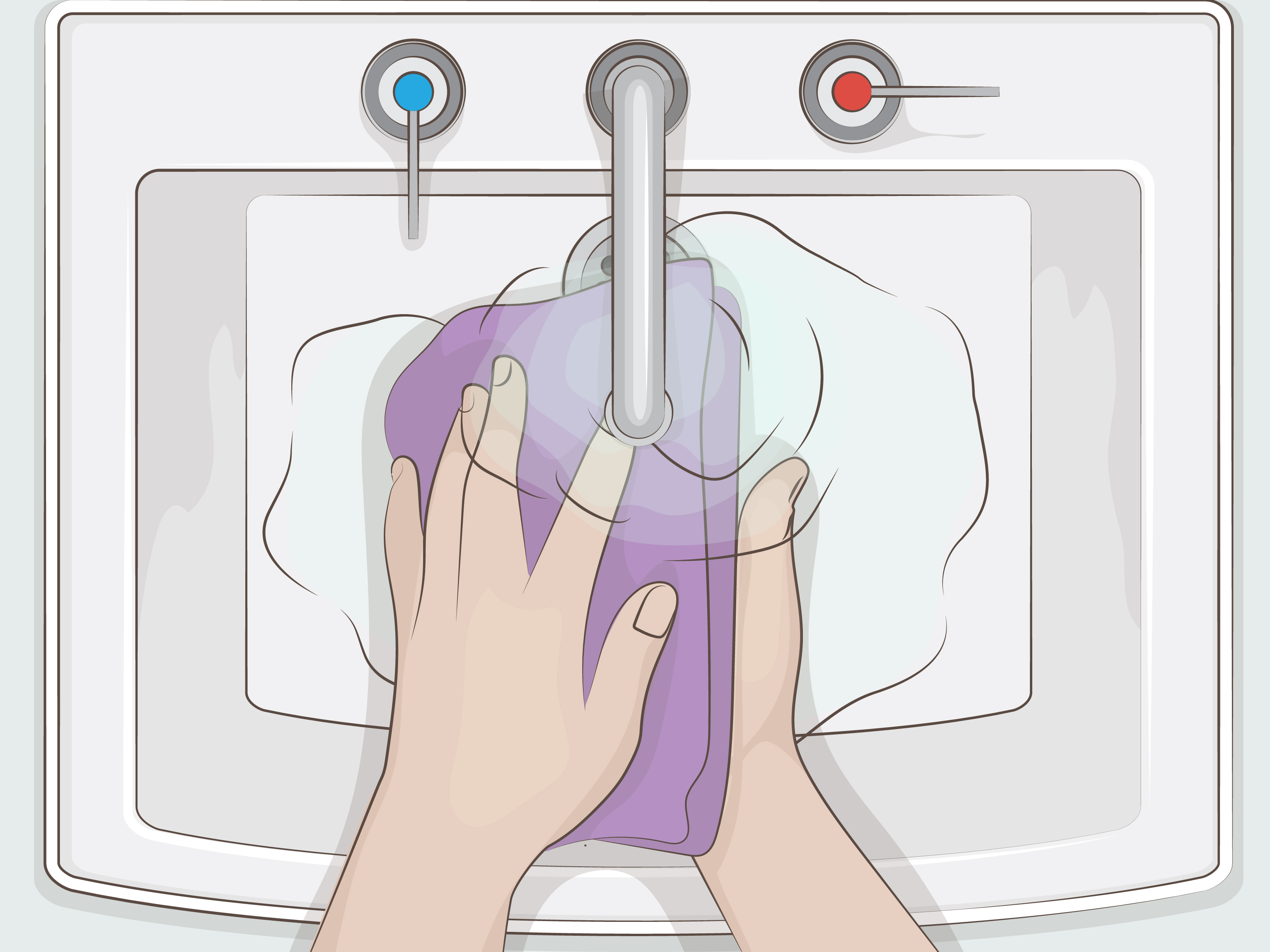
After using the cloth, rinse it well under warm water if it is only lightly soiled. Rub the cloth against itself to release trapped particles, then hang it to dry. If it is dirty, greasy, or has been used on several surfaces, launder it according to microfiber care instructions.
Do not use bleach, fabric softener, or dryer sheets. These can coat or damage microfiber, reducing its ability to grab dirt and polish cleanly. Wash microfiber with low-lint items and let it air dry or tumble dry as directed. A properly cared-for cloth performs better and lasts longer.
Best Places to Use a Norwex Window Cloth
The obvious place to use a Norwex Window Cloth is on windows, but it is more versatile than that. Use it on bathroom mirrors, glass shower doors, glass tables, patio doors, chrome fixtures, stainless steel, cabinet glass, and other shiny surfaces. It is especially handy in bathrooms because mirrors collect toothpaste dots, fingerprints, steam marks, and whatever happens when someone brushes their teeth with the enthusiasm of a pressure washer.
On stainless steel, always test in an inconspicuous spot first and wipe with the grain. Some stainless finishes are more delicate than others, and using a clean cloth matters. If the surface is greasy, remove grease first with a damp cloth before polishing.
For electronics, eyeglasses, camera lenses, coated screens, or delicate optical surfaces, use the cloth recommended by the manufacturer. A Window Cloth is excellent for many shiny household surfaces, but not every surface should be treated like a kitchen window.
Common Mistakes to Avoid
Using Too Much Water
A soaked surface is harder to polish. Too much water can leave drips, streaks, and mineral marks. A light mist is usually enough for touch-ups.
Cleaning in Direct Sunlight
Bright sun can dry water too quickly, leaving streaks before you finish wiping. Clean early in the morning, later in the day, or on an overcast day when possible.
Skipping the First Cleaning Pass
If the glass is dirty, use a damp cloth first. The Window Cloth is a polishing cloth, not a shovel for grime.
Washing with Fabric Softener
Fabric softener can coat microfiber and reduce its cleaning power. Dryer sheets can cause the same problem. Keep them away from your Window Cloth.
Using a Dirty Cloth
A dirty cloth does not clean; it redistributes. Wash or rinse your cloth regularly, especially after cleaning greasy or dusty surfaces.
How Often Should You Use It?
Use the Norwex Window Cloth as often as your glass needs attention. Bathroom mirrors may need a quick wipe every few days. Patio doors in homes with kids or pets may need daily touch-ups at nose-and-hand height. Exterior windows usually need deeper cleaning a few times a year, depending on pollen, dust, weather, and how close your home is to trees, roads, or construction.
The beauty of the cloth is that quick maintenance becomes easier. Instead of dragging out a full cleaning kit, you can mist, wipe, and move on with your life. That is especially useful for small messes: one fingerprint on a mirror, a splash on a glass table, or a foggy bathroom mirror before guests arrive.
Helpful Technique Tips for a Better Shine
Fold the cloth into quarters before using it. This gives you multiple clean surfaces to work with. When one side gets damp, flip to a dry side. When the whole cloth becomes too damp, switch to another dry cloth or let it dry before polishing more glass.
Work from cleanest to dirtiest areas. For example, clean the inside mirror before the exterior patio door. Clean glass before stainless steel. Avoid jumping between greasy and clear surfaces. This keeps residue from spreading.
Use a separate cloth for the first damp cleaning pass. The Window Cloth should stay as dry as possible for polishing. If you use the same cloth to scrub dirt and polish, you may end up chasing streaks like they owe you money.
Experience Notes: What Using a Norwex Window Cloth Feels Like in Real Life
The first thing most people notice when using a Norwex Window Cloth is how little product is involved. There is no strong glass-cleaner smell, no pile of crumpled paper towels, and no need to spray until the mirror looks like it has entered a rainstorm. A little water and a clean cloth are enough for many everyday jobs. That simplicity feels almost suspicious at first, especially if you grew up believing that clean glass required a blue spray bottle and dramatic arm movements.
On a bathroom mirror, the cloth is especially satisfying. Light toothpaste specks and fingerprints usually disappear with a quick mist and polish. The key is to avoid over-wetting the mirror. A heavy spray creates more work because the cloth has to absorb extra moisture before it can polish. A fine mist makes the process faster. After a few passes, the mirror looks clear, and you get that tiny domestic victory moment where you briefly feel like the main character in a cleaning commercial.
Sliding glass doors are a slightly different story. If the door has pet nose prints, fingerprints, dust, and outdoor film, the Window Cloth alone may not be enough on the first pass. A damp EnviroCloth or microfiber cloth makes a big difference. Wipe away the grime first, then polish with the Window Cloth. This two-step method feels more efficient because you are not asking one cloth to do two different jobs at the same time. The finish is usually clearer, and the cloth stays in better shape.
Kitchen windows can test your patience because cooking oils create a thin film that is hard to see until sunlight hits it. If the glass still looks cloudy after polishing, it may not be the Window Cloth’s fault. The surface may have grease or old cleaner residue. In that case, use a damp cloth with warm water first and repeat the polishing step. Once the residue is gone, future cleanings become much easier.
Another real-life lesson: cloth care matters. A Window Cloth washed with towels may pick up lint. A cloth washed with fabric softener may start smearing. A cloth left damp in a pile may smell less than delightful. Rinsing after use, washing properly, and hanging it to dry are small habits that protect performance. Treat the cloth like a tool, not like a random rag living under the sink with three mystery sponges.
The best part is speed. Once you understand the method, you can refresh a mirror in less than a minute and clean a patio door without turning it into a weekend project. The Norwex Window Cloth is not a miracle wand, but it is a smart, reusable tool that makes shiny surfaces easier to maintain. Use it dry, use water lightly, pre-clean heavy grime, and keep the cloth clean. Follow those basics, and your glass will look clearer with far less drama.
Conclusion
Using a Norwex Window Cloth is simple when you remember its main role: polishing. For lightly soiled glass, mist the surface with water and buff it dry. For dirtier glass, clean first with a damp cloth, then finish with the Window Cloth. Keep the cloth clean, avoid fabric softeners, use light water, and stay away from direct sunlight when cleaning windows. With those habits, you can get streak-free windows, mirrors, and shiny surfaces without turning your cleaning routine into a chemistry experiment.
The 7-step method is easy to repeat: start with a clean cloth, remove dust, mist lightly, pre-clean grime, polish in straight strokes, check the edges, and care for the cloth afterward. It is practical, reusable, and refreshingly low-maintenance. Your windows may not thank you out loud, but they will sparkle dramatically in silence.