Virtual farming used to sound like the kind of hobby you did after dinner with a cup of coffee and a suspiciously loud keyboard. You planted pixel corn, bought a tractor you could not park in real life, and maybe spent three hours deciding whether your digital barn should face east. Harmless fun, right?
Mostly, yes. But today, virtual farming is not just a cozy escape. It is part of a much larger online economy where players, creators, streamers, developers, modders, esports teams, and even real agricultural businesses can turn simulated fields into actual income. The money is not magic. Nobody is handing out checks because your cartoon cow looks emotionally fulfilled. But the digital farming world now sits at the intersection of gaming, user-generated content, online marketplaces, creator platforms, esports, Web3 experiments, and precision agriculture.
That combination matters. Video games are now a massive entertainment industry in the United States, and farming games have grown from casual time-killers into communities with loyal audiences, downloadable content, competitive events, and creator-driven ecosystems. Meanwhile, real farms are becoming more digital through sensors, drones, GPS, robotics, artificial intelligence, and farm-management software. In other words, “virtual farming” can mean two things at once: earning money around farming-themed games and using virtual models to improve real-world agriculture.
So yes, there is real money in virtual farming. The better question is: where does it come from, who earns it, and what should newcomers watch out for before turning their digital pasture into a business plan?
What Does “Virtual Farming” Actually Mean?
Virtual farming is a broad term, and that is part of its charm. It can describe a realistic simulator where players run equipment, manage crops, and balance production costs. It can refer to casual farming games where users grow crops, decorate land, and trade items. It can also include blockchain-based farming games, user-generated Roblox or Fortnite experiences, virtual land economies, and digital twins used in real agriculture.
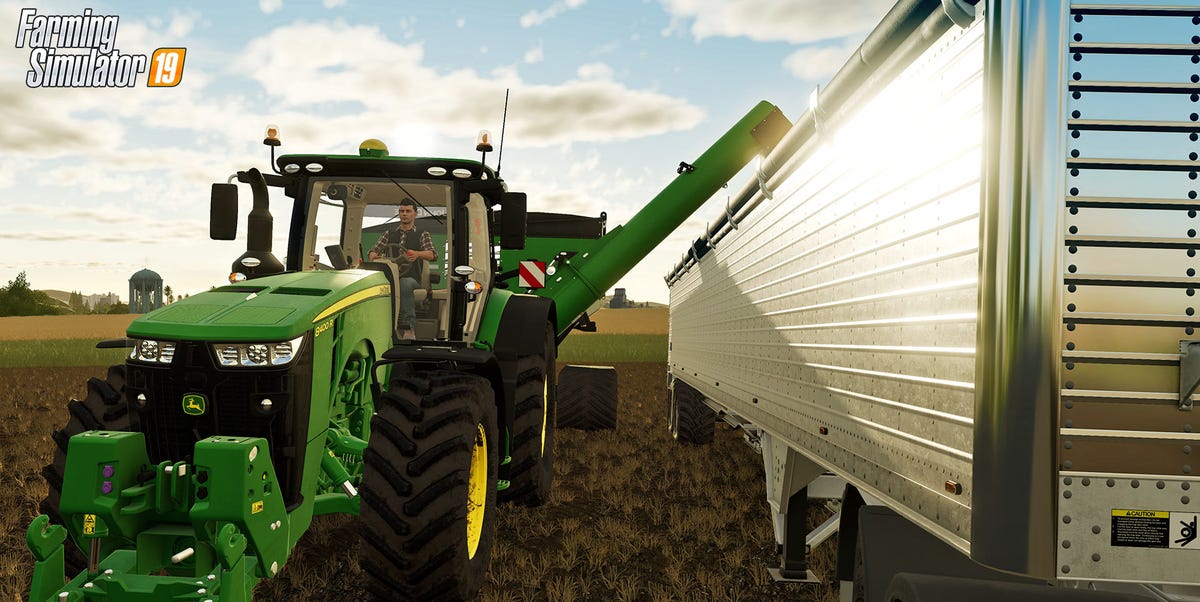
In gaming, virtual farming usually focuses on play: plant, harvest, upgrade, repeat. The loop is simple enough for beginners but deep enough to attract serious players. A game like Farming Simulator gives users realistic machinery, seasonal cycles, livestock, contracts, and equipment management. Other games lean into cozy farming, social interaction, crafting, trading, and customization.
In business and agriculture, virtual farming can mean building a digital version of a farm, field, greenhouse, herd, irrigation system, or supply chain. Farmers and agronomists use data to test decisions before making expensive real-world changes. Think of it as a flight simulator for farming, except the “crash” you are trying to avoid might be wasted fertilizer, poor irrigation timing, or a crop disease that decides to throw a surprise party.
Why Virtual Farming Has Become a Real Economy
The first reason is scale. Gaming is no longer a niche hobby hidden in the basement next to a lava lamp. Millions of Americans play games, and U.S. consumer spending on video games remains enormous. When a market has that much attention, money follows the attention. Farming games may not always dominate headlines like shooters or battle royales, but they have a dedicated audience that values depth, realism, creativity, and community.
The second reason is user-generated content. Players no longer only consume games; they build inside them. They create maps, mods, vehicles, skins, tools, roleplay servers, tutorials, livestreams, and entire game experiences. A skilled creator can build a niche audience by doing something surprisingly specific, such as reviewing virtual tractors, designing realistic Midwest farm maps, or teaching beginners how not to bankrupt their digital soybean empire in the first week.
The third reason is platform monetization. Roblox has a Developer Exchange system that lets eligible creators convert earned Robux into real money. Fortnite has creator programs and engagement payouts. YouTube and streaming platforms pay eligible creators through ads, memberships, sponsorships, and affiliate income. Steam has a marketplace for certain virtual items, although funds are typically kept within the Steam Wallet ecosystem. Each platform has its own rules, rates, risks, and limitations, but the broad direction is clear: digital creation can generate real revenue.
The Farming Simulator Economy: More Than Driving a Tractor in Circles
Farming Simulator is one of the clearest examples of how a realistic virtual farming game can support a serious ecosystem. The franchise has a large global player base, official downloadable content, brand partnerships, modding tools, and a passionate community. The appeal is not just “look, a tractor.” It is the satisfaction of running a complex operation where equipment, timing, land, animals, and production chains all matter.
For players, the money usually does not come from harvesting digital wheat directly. Instead, it comes from the activities around the game. Content creators make YouTube videos, stream gameplay, publish tutorials, review mods, explain equipment setups, and build loyal audiences. Modders create maps, vehicles, tools, and gameplay improvements. Some creators build reputation that leads to donations, sponsorships, affiliate deals, early access opportunities, or paid creative work outside the game.
There is also an esports angle. Yes, competitive virtual farming exists, and yes, it is as delightfully strange as it sounds. The Farming Simulator League turned hay-bale stacking and team coordination into an organized competition with prize money. It may not replace the Super Bowl, but it proves something important: even farming simulation can become spectator entertainment when the rules are clear, the stakes are real, and the players are skilled.
How Modding Creates Value
Mods are a major part of the virtual farming economy. A mod can add a new tractor, improve the user interface, create a new region, introduce different crop types, or make the simulation feel more realistic. Popular mods can attract huge download numbers, which helps creators build credibility. That credibility can become useful when creators seek sponsorships, freelance development work, community support, or partnerships.
However, modding also comes with rules. Not every platform allows paid mods in the same way. Some communities strongly prefer free sharing, while others use donations or early-access models. Creators must respect intellectual property, brand restrictions, platform terms, and community expectations. A virtual combine harvester may be digital, but copyright law still has a very real steering wheel.
Roblox, Fortnite, and the Rise of Farming Game Creators
Roblox and Fortnite have changed the idea of what a game platform can be. They are no longer just places to play; they are places to build. A creator can design a farming tycoon, a cozy crop-growing game, a livestock simulator, a roleplay farm town, or a competitive resource-management experience. If the game attracts players, the creator may earn money through platform-approved systems.
Roblox is especially important because farming-style experiences fit naturally into its audience. Players enjoy progression, upgrades, pets, collectibles, trading, and social play. A farming game on Roblox might begin with a tiny plot and a wooden shovel, then gradually expand into machines, barns, animals, rare crops, and premium boosts. When designed ethically, this can be fun and rewarding. When designed poorly, it can become a grindy vending machine wearing overalls.
Fortnite Creative and UEFN also offer opportunities for developers who understand retention, level design, social mechanics, and repeatable fun. A farming island could include harvesting, crafting, trading, mini-games, seasonal events, and cooperative goals. Creators who can make players return without relying on manipulative tricks have the best long-term chance.
What Separates a Hobby Project From a Money-Making Virtual Farm?
A profitable farming game usually needs more than crops. It needs a clear loop, a reason to return, smooth controls, fair progression, strong visuals, social features, and updates. Players should understand what they are working toward. Are they unlocking better tools? Expanding land? Competing on leaderboards? Decorating a farm? Trading goods? Helping friends? A good virtual farm gives players small wins often and big goals slowly.
Creators also need business discipline. That means analytics, testing, community feedback, moderation, bug fixes, monetization planning, and platform compliance. The farm may be virtual, but the work schedule can become very real.
Play-to-Earn Farming Games: Opportunity, Hype, and Caution
Some virtual farming games use blockchain tokens, NFTs, or play-to-earn mechanics. In theory, these games let players own digital assets, sell items, trade tokens, or cash out rewards. The idea is attractive: instead of spending hundreds of hours grinding for items locked inside one game, players can turn those items into something with market value.
But this space deserves a bright yellow caution sign, preferably one that flashes and makes tractor noises. Play-to-earn farming games can be risky because token prices fluctuate, economies can collapse, developers can abandon projects, and early profits may depend more on new users joining than on sustainable gameplay. If a game sounds like an investment first and a game second, slow down. If the main farming mechanic is “buy now before the token moons,” that is not a farm; that is a scarecrow in a business suit.
Players should understand the difference between entertainment spending and investing. They should also remember that digital assets, cryptocurrency, and NFT transactions may have tax consequences. Real money means real paperwork. Nobody wants to discover in April that their magical turnip token created a taxable event.
Virtual Goods and Marketplaces: Selling Picks, Skins, and Pixel Pitchforks
Virtual goods are another way money enters the farming game economy. These may include skins, tools, decorative items, land upgrades, pets, vehicles, buildings, or avatar accessories. In many games, users buy items for self-expression, convenience, status, or fun. A rare digital chicken wearing sunglasses may not solve world hunger, but it can absolutely make someone click “buy.”
Marketplaces vary widely. Some allow users to trade items for platform currency. Some let creators sell assets. Some restrict cash-outs. Some prohibit real-money trading outside official systems. Understanding the rules is essential. Selling items outside approved marketplaces can lead to scams, account bans, lost funds, or legal problems.
The safest path is to use official creator programs and marketplaces. They may take a percentage, require identity verification, impose payout thresholds, or limit what can be sold, but they provide structure. In digital economies, structure is not boring. Structure is the fence that keeps your money-cow from wandering into scam pasture.
Content Creation: Turning Virtual Farming Into an Audience Business
Many people who earn money from virtual farming do not earn it inside the game. They earn it by building an audience around the game. YouTube tutorials, livestreams, challenge videos, mod reviews, roleplay series, beginner guides, map tours, equipment comparisons, and “I built the most chaotic dairy farm imaginable” videos can all attract viewers.
The income sources can include ad revenue, channel memberships, donations, sponsorships, affiliate links, merchandise, consulting, and community support. A creator who understands both farming games and storytelling has an advantage. Viewers may come for the tips, but they stay for personality, humor, consistency, and trust.
Search-friendly content also matters. A video or blog post titled “Best Farming Simulator 25 Mods for Beginners” or “How to Make Money Fast in a Roblox Farming Tycoon” targets real questions players type into search engines. Good content solves problems. Great content solves problems while making people smile.
Digital Twins: Where Virtual Farming Meets Real Agriculture
Virtual farming is not only about entertainment. In modern agriculture, digital tools are becoming essential. Precision agriculture uses GPS, sensors, drones, robotics, yield maps, soil data, variable-rate technology, and machine learning to help farmers make better decisions. Large farms often adopt these technologies faster because they can spread costs across more acres, but the overall direction is clear: agriculture is getting more data-driven.
A digital twin is a virtual model of a real-world system. In farming, that system might be a field, greenhouse, irrigation network, livestock facility, or full farm operation. With enough data, a digital twin can help test decisions before they are applied in the field. What happens if irrigation is delayed? Where is fertilizer being wasted? Which section of the field is underperforming? Can a pest outbreak be detected earlier?
This is where virtual farming can create real money in a very direct way: by reducing waste, improving yields, saving labor, lowering input costs, and helping farmers respond faster. A digital farm model is not a game, but it uses similar logic. It turns complex systems into something visible, testable, and easier to manage.
Real Examples of Money Paths in Virtual Farming
1. Building a Farming Game
A developer or small team can create a farming experience on platforms such as Roblox, Fortnite, mobile app stores, PC storefronts, or independent game marketplaces. Revenue may come from premium purchases, in-game items, subscriptions, ads, platform payouts, or downloadable content. The challenge is competition. The opportunity is that farming games attract players who enjoy long-term progression.
2. Creating Mods and Assets
Mod creators can build maps, vehicles, tools, buildings, textures, scripts, and quality-of-life improvements. Income may come indirectly through audience growth, donations, commissions, sponsorships, or portfolio value. The best modders often become known for reliability, detail, and compatibility.
3. Streaming and Video Content
Virtual farming is surprisingly watchable when the creator has a good format. Tutorials help beginners. Roleplay series create drama. Challenge runs add tension. Mod reviews help players choose downloads. Viewers do not only watch the crop grow; they watch the creator make decisions, solve problems, and occasionally drive a tractor into a pond. These things happen.
4. Competitive Play and Events
Esports-style farming competitions show that niche games can still support prize pools, sponsors, and community attention. Competitive virtual farming works because it transforms slow farming tasks into timed, team-based strategy. It is not about pretending to be a farmer; it is about execution under pressure.
5. Digital Agriculture Services
For people with agricultural knowledge, data skills, or software expertise, virtual farming can point toward real-world services. Farm mapping, drone analysis, sensor integration, crop modeling, and digital-twin consulting are valuable because they help real farmers make better decisions. This is less “gaming side hustle” and more “ag-tech career path,” but both live under the broader virtual farming umbrella.
The Risks: Scams, Overhype, and Platform Dependence
Whenever real money appears in a virtual world, risk follows with a clipboard. Players and creators should watch for scams, fake marketplaces, unofficial cash-out promises, stolen assets, misleading earnings claims, and games that push aggressive spending. Regulators have paid closer attention to loot boxes, virtual currencies, and systems that obscure real costs, especially when minors are involved.
Platform dependence is another risk. If your entire income depends on one game, one algorithm, one marketplace, or one payout policy, your business is vulnerable. Rules can change. Exchange rates can change. A game can decline. A platform can demonetize content. A popular farming experience can be copied by competitors faster than you can say “premium fertilizer pack.”
The smartest creators diversify. They build email lists, websites, communities, multiple content channels, and transferable skills. A virtual farm can be the starting point, but the long-term asset is the audience, the brand, the code, the design knowledge, and the trust.
How to Start Making Money With Virtual Farming
Start by choosing your lane. If you love playing, consider content creation. If you enjoy building, try game development or modding. If you understand real agriculture, explore precision farming tools and digital-twin applications. If you like community management, build a server, guide hub, or educational resource.
Next, study the platform rules before monetizing. Learn payout thresholds, tax requirements, age requirements, content policies, intellectual property rules, and prohibited practices. This step is not glamorous, but neither is losing an account after six months of work.
Then create something useful. A beginner guide, a clean map, a balanced farming tycoon, a realistic equipment mod, or a clear tutorial can build trust. Do not chase every trend at once. Farming rewards patience in real life and online. Plant one good thing, improve it, listen to feedback, and keep updating.
Finally, treat virtual farming like a small business if you want business results. Track what works. Keep costs low. Avoid buying into hype. Build skills that remain valuable even if one game fades. The goal is not to get rich overnight. The goal is to create something people value enough to watch, use, play, support, or buy.
Experience Section: What Virtual Farming Teaches People About Money, Work, and Patience
One of the most interesting experiences related to virtual farming is how quickly it teaches players that money is not only about earning; it is about managing. In many farming games, beginners rush to buy the biggest machine, the flashiest barn, or the rarest animal. Then they discover they cannot afford seed, fuel, repairs, feed, land, or upgrades. The game quietly becomes a business lesson wearing muddy boots.
That experience is valuable because virtual farming gives players a safe place to make mistakes. In real life, buying the wrong equipment can be financially painful. In a game, it becomes a lesson and maybe a funny screenshot. Players learn budgeting, planning, opportunity cost, inventory management, production timing, and return on investment. Should you expand your land now or upgrade your tools first? Should you sell crops immediately or wait for a better price? Should you invest in livestock, production chains, or equipment efficiency? These questions may be simplified, but they mirror real economic thinking.
Another common experience is the slow joy of compounding progress. Virtual farms rarely become impressive in five minutes. They grow through repeated effort: one harvest, one upgrade, one better route, one smarter layout, one improved strategy. That rhythm is why farming games are so satisfying. They reward consistency. Players can look back after a week and see a farm that was not there before. The field is bigger. The machines are better. The barn is no longer a sad rectangle of regret.
For creators, the experience is even more revealing. Building a virtual farming game, mod, or channel requires the same patience the game celebrates. At first, nobody watches. Nobody downloads. Nobody comments except maybe one person saying, “This tractor has the wrong tire spacing.” But with updates, polish, and consistency, the audience grows. A creator learns that digital income is rarely passive at the beginning. It is active, repetitive, and sometimes frustrating. The “real money” comes after real effort.
Virtual farming also teaches community awareness. Farming games attract players who care about details. They notice crop cycles, equipment brands, map realism, balancing, and whether a barn door opens correctly. That can be intimidating, but it is also a gift. A passionate community gives useful feedback. Creators who listen can improve faster than creators who treat players like walking wallets.
Finally, virtual farming shows that fun and value can overlap. A player may begin because they want relaxation. A creator may begin because they enjoy building. A farmer may explore digital tools because they want better decisions. In each case, the virtual farm becomes a testing ground. It lets people experiment, learn, fail cheaply, and improve. That is why the money in virtual farming feels different from hype. The strongest opportunities are not based on pretending pixels are priceless. They are based on skills, attention, systems, and communities that create genuine value.
Conclusion: The Harvest Is Real, but So Is the Work
There is real money in virtual farming, but it does not grow automatically. The best opportunities come from building useful experiences, entertaining audiences, creating high-quality mods, joining legitimate creator programs, competing in organized events, or applying digital farming tools to real agriculture. The weakest opportunities usually promise easy income without explaining the risks.
Virtual farming is exciting because it blends play, creativity, technology, and business. It can be a side hustle, a portfolio builder, a content niche, a development opportunity, or a pathway into ag-tech. The field is digital, but the skills are real. Learn the platform, respect the rules, make something valuable, and keep improving. After all, even in a virtual world, the best harvest still comes from planting carefully and not selling your tractor for a shiny hat on day two.