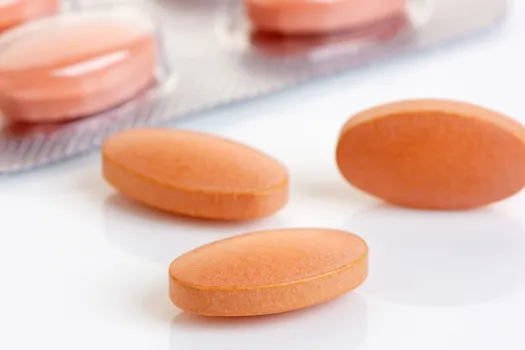
Statins are among the most prescribed medications in the United States, and for good reason: they help lower LDL cholesterol, often called “bad” cholesterol, and reduce the risk of heart attack and stroke. That is the big-picture benefit. But if you have ever started a statin and then noticed an achy thigh, a stiff shoulder, a weird stomach day, or a sudden urge to Google “Is my cholesterol pill mad at me?”, you are definitely not alone.
The phrase statins side effects can sound scary, especially when people talk about muscle pain, inflammation, liver issues, blood sugar changes, or memory concerns. The reality is more balanced. Most people tolerate statins well. Some people experience uncomfortable symptoms. A much smaller group develops side effects serious enough to require a medication change. The trick is knowing what is common, what is rare, and what deserves a call to your doctor.
This guide breaks down statin side effects in plain English, with a special focus on pain, inflammation, muscle symptoms, and other possible reactions. No panic. No internet doom spiral. Just useful, human-friendly information.
What Are Statins and Why Are They Prescribed?
Statins are medications that lower cholesterol by reducing the liver’s production of cholesterol. Common examples include atorvastatin, rosuvastatin, simvastatin, pravastatin, lovastatin, fluvastatin, and pitavastatin. Doctors prescribe them to people with high LDL cholesterol, existing heart disease, diabetes, a history of stroke, or a higher calculated risk of cardiovascular disease.
Think of LDL cholesterol like sticky traffic on the highway of your arteries. Over time, cholesterol-rich plaque can build up in artery walls, making it harder for blood to flow. Statins help lower LDL levels and may also help stabilize plaque, making it less likely to rupture and cause a heart attack or stroke. That is why clinicians often consider statins a cornerstone of heart disease prevention.
Still, a medication can be helpful and have side effects at the same time. Your car’s seatbelt can save your life, but it can also wrinkle your shirt. Medicine works in a more complicated way, of course, but the basic idea is similar: benefits and risks need to be weighed together.
Common Statin Side Effects
Many people take statins for years without major problems. When side effects do happen, they are often mild and manageable. Commonly reported statin side effects may include:
- Muscle aches, soreness, cramps, or weakness
- Joint discomfort
- Headache
- Nausea or upset stomach
- Diarrhea or constipation
- Fatigue or low energy
- Mild increases in blood sugar
- Occasional changes in liver enzyme blood tests
The most talked-about issue is muscle pain. It is also the most confusing, because muscle pain is incredibly common even in people who do not take statins. Sleeping in a strange position, overdoing yard work, starting a new workout, dehydration, thyroid disease, vitamin D deficiency, arthritis, viral infections, and everyday aging can all make muscles complain loudly.
Statins and Muscle Pain: What It Feels Like
Statin-related muscle symptoms can feel different from person to person. Some describe a dull ache in the thighs, calves, shoulders, or upper arms. Others notice weakness, heaviness, cramps, tenderness, or fatigue during normal activities. For example, walking up stairs may suddenly feel harder, or lifting grocery bags may feel like you accidentally bought bricks instead of bananas.
Muscle symptoms are more concerning when they are new, unexplained, symmetrical, or appear after starting a statin or increasing the dose. They may also matter more if they come with dark urine, fever, severe weakness, or a general feeling of being very unwell.
Is All Muscle Pain Caused by Statins?
No. This is important. Many people who take statins experience muscle pain, but research suggests that much of that pain may not actually be caused by the statin. In clinical trials, muscle aches also occur in people taking placebo pills. This does not mean your pain is imaginary. Pain is real. It simply means the cause may be something else, and a careful evaluation matters.
Doctors may look at timing, symptom pattern, other medications, activity changes, thyroid function, kidney function, vitamin D levels, and a blood test called creatine kinase, or CK, which can show muscle injury. The goal is not to dismiss symptoms. The goal is to avoid blaming the wrong culprit and accidentally stopping a medication that may be protecting your heart.
Inflammation and Statins: Friend, Foe, or Both?
The relationship between statins and inflammation is more interesting than a soap opera, though thankfully with fewer dramatic stairwell scenes. Statins are mainly known for lowering LDL cholesterol, but they may also have anti-inflammatory effects inside blood vessels. This is one reason they are associated with cardiovascular protection beyond simple cholesterol numbers.
However, when people search for “statins and inflammation,” they are often asking about muscle inflammation. True inflammatory muscle disease related to statins is rare, but it can happen. One uncommon condition is immune-mediated necrotizing myopathy, a serious autoimmune muscle disorder that can continue even after the statin is stopped. This condition usually involves progressive weakness and high CK levels and requires specialist care.
For most people, statin-related aches are not a sign of dangerous inflammation. But persistent weakness, worsening symptoms, or abnormal lab findings should be taken seriously.
Serious Statin Side Effects: Rare but Important
Most statin side effects are not dangerous. Still, a few rare reactions require quick medical attention. Knowing the warning signs can help you stay calm and act appropriately.
Rhabdomyolysis
Rhabdomyolysis is a rare but serious breakdown of muscle tissue. When muscle cells break down, they can release proteins into the bloodstream that may harm the kidneys. Symptoms may include severe muscle pain, marked weakness, dark cola-colored urine, nausea, confusion, or feeling very ill. This is not the “my legs are sore after squats” situation. This is a “call a healthcare professional urgently” situation.
Liver Problems
Statins can occasionally increase liver enzymes, which are measured through blood tests. Mild changes often do not mean permanent liver damage. Serious liver injury from statins is considered very rare. Still, symptoms such as yellowing of the skin or eyes, dark urine, severe fatigue, upper right abdominal pain, or unusual itching should be reported promptly.
Blood Sugar Changes and Diabetes Risk
Statins may slightly increase blood sugar levels in some people. For someone who already has prediabetes or other risk factors, this may contribute to a diagnosis of type 2 diabetes. That sounds alarming, but doctors usually weigh this risk against the proven heart-protective benefits of statins, especially in people at high cardiovascular risk.
In many cases, the best response is not to avoid statins automatically, but to monitor blood sugar, improve lifestyle habits, and choose the right medication plan with a clinician.
Who Is More Likely to Experience Statin Side Effects?
Some people have a higher chance of statin side effects than others. Risk factors may include:
- Older age
- Taking a higher statin dose
- Having kidney or liver disease
- Untreated hypothyroidism
- Heavy alcohol use
- Small body frame or frailty
- Personal or family history of muscle disorders
- Taking medications that interact with statins
- Using certain supplements without medical guidance
Drug interactions are a big one. Some antibiotics, antifungal medications, HIV treatments, heart rhythm medications, and other prescriptions can raise statin levels in the body. Grapefruit juice may also interact with certain statins, especially simvastatin, lovastatin, and atorvastatin. This does not mean grapefruit is evil. It just means grapefruit sometimes acts like it has a pharmacy degree and should be discussed with your doctor or pharmacist.
What to Do If You Think Your Statin Is Causing Pain
If you develop muscle pain or weakness while taking a statin, do not stop the medication on your own unless you have urgent symptoms or your clinician has told you to stop. Suddenly quitting can raise your cholesterol risk again, especially if you already have heart disease or a history of stroke.
Instead, contact your healthcare provider and describe your symptoms clearly. Helpful details include when the pain started, where it is located, whether both sides of the body are affected, whether you feel weak or just sore, whether you recently changed exercise habits, and whether you started any new medications or supplements.
Your doctor may recommend a short pause, a lower dose, a different statin, alternate-day dosing, blood tests, or another cholesterol-lowering medication. Options may include ezetimibe, PCSK9 inhibitors, bempedoic acid, bile acid sequestrants, or other therapies depending on your health profile. The best choice depends on your risk level, cholesterol numbers, medical history, and tolerance.
Can Lifestyle Reduce the Need for Higher Statin Doses?
Lifestyle changes can support cholesterol control and may help some people use a lower medication intensity, though this should always be decided with a clinician. Heart-friendly habits include eating more fiber-rich foods, choosing unsaturated fats, limiting trans fats, exercising regularly, maintaining a healthy weight, avoiding smoking, and managing blood pressure and blood sugar.
A practical plate might include oatmeal at breakfast, beans or lentils at lunch, salmon or tofu at dinner, vegetables that do not look sad, and snacks like nuts or fruit. You do not need to become a monk who only eats steamed kale under moonlight. Small, consistent choices matter.
Statins and Memory, Brain Fog, or Sleep Problems
Some people report memory changes, brain fog, or sleep issues while taking statins. Current evidence has not shown a strong, consistent link between statins and cognitive decline. In fact, protecting blood vessels may also help protect long-term brain health. Still, if you notice a clear change after starting a medication, tell your healthcare provider. Your experience deserves attention, even when the science is complicated.
How Doctors Balance Benefits and Side Effects
When deciding whether a statin is worth it, doctors look at overall cardiovascular risk. A person who has already had a heart attack usually has much more to gain from statin therapy than someone with only mildly elevated cholesterol and very low risk. The same side effect may be weighed differently depending on the person’s risk profile.
This is why two people can receive different advice and both be getting appropriate care. Medicine is not one-size-fits-all. It is more like tailoring a suit, except the suit is your cholesterol plan and nobody wants the sleeves to be made of side effects.
Questions to Ask Your Doctor About Statin Side Effects
To make the most of your appointment, consider asking:
- Is my muscle pain likely related to my statin?
- Should I have CK, liver enzyme, thyroid, kidney, or vitamin D testing?
- Could any of my other medications interact with my statin?
- Would a different statin be easier for me to tolerate?
- What is my actual risk of heart attack or stroke?
- Are non-statin cholesterol medications appropriate for me?
- What symptoms would require urgent care?
These questions help turn a vague worry into a useful medical conversation. Doctors are good, but they are not mind readers. Bring the details.
Experience-Based Scenarios: What Statin Side Effects Can Look Like in Real Life
Because statin side effects can feel confusing, it helps to imagine realistic situations. These examples are not personal medical advice, but they show how people commonly experience and work through concerns about pain, inflammation, and other symptoms.
Scenario 1: The “New Gym or New Statin?” Mystery
Imagine someone starts a statin on Monday and joins a fitness class on Wednesday. By Friday, their thighs feel like they have been replaced with overcooked spaghetti. The first instinct may be to blame the statin. But the timing also points to exercise soreness. In this case, a clinician might ask whether the pain is improving, whether there is true weakness, whether the urine is dark, and whether the person recently increased physical activity. Sometimes the answer is simple: the body is protesting lunges, not cholesterol treatment.
Scenario 2: The Achy Shoulder That Would Not Quit
Another person may notice shoulder and upper arm soreness a few weeks after starting a statin. The pain is not severe, but it is annoying and persistent. They do the right thing and call their healthcare provider instead of tossing the bottle into the junk drawer next to old phone chargers. The clinician reviews medications, checks for interactions, and may order lab work. Depending on the results, the doctor may adjust the dose or switch to another statin. Many people who do not tolerate one statin can tolerate another.
Scenario 3: The Scary Symptoms That Need Fast Attention
A more serious situation might involve severe muscle pain, major weakness, fever, and dark urine. That combination should not be ignored. While rare, serious muscle injury can happen. In this case, prompt medical care is important. The lesson is not that statins are dangerous for everyone. The lesson is that unusual, severe symptoms deserve urgent evaluation.
Scenario 4: The Blood Sugar Surprise
Someone with prediabetes starts a statin because their heart disease risk is high. A few months later, their blood sugar is slightly higher. This can feel frustrating, especially if they are already trying to eat better. Their doctor may explain that statins can modestly raise blood sugar in some people, but the heart protection may still outweigh that risk. Together, they may focus on nutrition, movement, weight management, and regular glucose monitoring. The goal is not to ignore the side effect. The goal is to manage the whole person, not just one lab number.
Scenario 5: The Internet Rabbit Hole
Plenty of people start researching statins and end up reading terrifying stories online. Suddenly every headache, cramp, or sleepy afternoon seems suspicious. This is understandable. Health anxiety loves a search bar. But online stories often overrepresent bad experiences because people who feel fine rarely post, “Took my statin today. Nothing happened. Had toast.” A balanced approach is better: track symptoms, talk to a professional, and use evidence-based information rather than panic-powered scrolling.
Practical Tips for Living Well on Statins
If you take a statin, a few habits can make the experience smoother. Keep an updated list of medications and supplements. Tell every healthcare provider and pharmacist that you take a statin. Report unexplained muscle symptoms early. Keep recommended lab appointments. Avoid making medication changes without medical advice. And remember that lifestyle habits still matter, even when a pill is doing part of the work.
It may also help to keep a symptom diary for two to four weeks. Write down when pain occurs, where it happens, what you were doing, how severe it feels, and whether anything improves it. This can help your doctor separate possible statin symptoms from exercise soreness, arthritis, injury, or other conditions.
Conclusion
Statins can cause side effects, including muscle pain, digestive symptoms, mild liver enzyme changes, and small increases in blood sugar. Rarely, they can contribute to serious muscle injury or liver problems. But for many people, the cardiovascular benefits are substantial, and most side effects can be managed by adjusting the treatment plan.
The smartest approach is not fear and not blind trust. It is informed teamwork. If you have pain, inflammation concerns, weakness, or other symptoms while taking a statin, talk with your healthcare provider. A better dose, a different statin, added testing, or another cholesterol medication may solve the problem while still protecting your heart.
Your muscles deserve to be heard. Your heart does too.