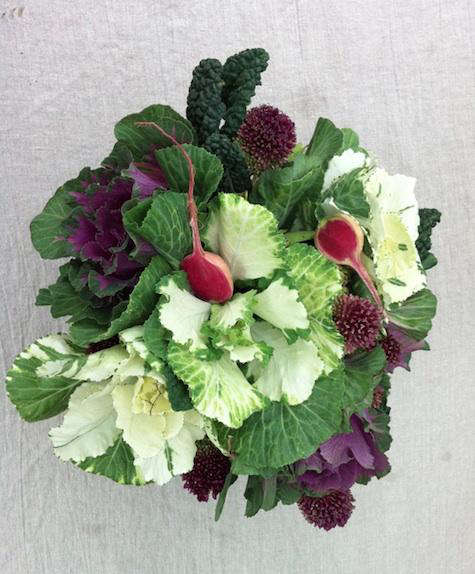
A seasonal potager centerpiece is what happens when the kitchen garden gets invited to dinner and refuses to sit quietly in the background. Instead of relying only on cut flowers, this tabletop arrangement brings together herbs, vegetables, edible flowers, fruit, vines, and natural textures in a way that feels fresh, abundant, practical, and a little bit French without requiring you to pronounce anything perfectly.
The word “potager” refers to a kitchen garden designed for both beauty and usefulness. Think basil beside tomatoes, nasturtiums tumbling near lettuce, chives blooming like tiny purple fireworks, and carrots behaving as if they were born to model for still-life paintings. A potager-style centerpiece borrows that same spirit for the table: edible, seasonal, layered, colorful, fragrant, and relaxed enough that nobody panics when a sprig of rosemary leans dramatically into the bread basket.
Whether you are hosting a spring brunch, summer patio dinner, fall harvest party, Thanksgiving meal, or cozy winter supper, a seasonal potager centerpiece gives your table personality. It says, “Yes, I have taste,” but also, “Yes, you may eat the garnish.” That is a rare and noble combination.
What Is a Seasonal Potager Centerpiece?
A seasonal potager centerpiece is a tabletop arrangement inspired by the structure and abundance of a traditional kitchen garden. It often includes fresh herbs, small vegetables, edible blossoms, fruit, leafy greens, seed pods, branches, and garden containers arranged in a low, natural, conversation-friendly display.
Unlike a formal floral centerpiece, which can sometimes look like it is auditioning for a hotel lobby, a potager centerpiece is intentionally earthy. It celebrates the real shapes of the season: curly kale, glossy peppers, speckled beans, baby artichokes, radishes with their leaves still attached, tiny pumpkins, citrus, figs, pears, garlic bulbs, rosemary, thyme, dill, lavender, and flowers that are safe to use around food.
The goal is not perfection. The goal is abundance with manners. Your centerpiece should look generous, but it should not block guests from seeing each other. Nobody wants to spend dinner talking to a cabbage tower.
Why Potager Centerpieces Work So Well on the Table
The magic of a tabletop potager arrangement is that it combines decor, fragrance, seasonality, and usefulness. It brings the garden indoors without turning the dining room into a soil-based obstacle course. It also solves the classic centerpiece problem: flowers are beautiful, but they do not always connect to the meal. Herbs, vegetables, and edible flowers do.
If your menu includes roasted chicken, rosemary and thyme in the centerpiece create a subtle preview. If you are serving tomato salad, basil and cherry tomatoes make the table feel intentional. If dinner is autumnal, small squash, sage, apples, and bronze-toned leaves create instant warmth. The arrangement becomes part of the dining experience instead of a decorative object that simply sits there looking expensive.
Another advantage is flexibility. A potager centerpiece can be rustic, elegant, modern, cottage-style, Mediterranean, farmhouse, or quietly luxurious. A wooden board with herbs and vegetables feels casual and welcoming. A long ceramic vessel filled with edible greens and flowers feels polished. A cluster of small terracotta pots down the center of the table feels relaxed, interactive, and wonderfully low-maintenance.
Start With the Season, Not the Shopping Cart
The best seasonal potager centerpiece begins with what is naturally available. This is where the design becomes easier and more beautiful. Seasonal produce usually has better color, texture, and freshness, and it tends to look right with the weather, the menu, and the mood of the gathering.
Spring Potager Centerpiece Ideas
Spring is tender, bright, and slightly dramatic because everything is waking up and showing off. Use baby lettuces, pea shoots, radishes, asparagus, chive blossoms, mint, parsley, pansies, violas, and small carrots. A spring tabletop arrangement looks lovely in a shallow white bowl, a low basket, or a row of glass jars. Keep the colors soft: fresh green, white, lavender, pale pink, and radish red.
For a spring brunch, try lining a narrow tray with moss or clean leafy greens, then nestling in radishes, soft herbs, boiled eggs in natural shells, and tiny edible flowers. It feels like the Easter bunny hired a stylist.
Summer Potager Centerpiece Ideas
Summer is the loud friend of the garden calendar, so let it be colorful. Use cherry tomatoes, basil, dill, nasturtiums, small cucumbers, peppers, zucchini blossoms, oregano, mint, lavender, and bright edible blooms. A summer potager centerpiece should feel sun-warmed and generous, like it wandered in from the patio carrying lemonade.
One easy summer arrangement is a long wooden board layered with small bowls of tomatoes, bundles of herbs in jars, trailing nasturtiums, and a few lemons or limes. Add votive candles in the evening, but keep open flames away from dangling herbs unless you want your centerpiece to become a very tiny campfire.
Fall Potager Centerpiece Ideas
Fall is when the potager centerpiece becomes especially rich. Use mini pumpkins, gourds, pears, apples, figs, artichokes, kale, sage, rosemary, ornamental peppers, dried seed heads, wheat, bay leaves, and bronze or burgundy foliage. Fall centerpieces can be lush without feeling fussy.
A beautiful fall tabletop design might begin with a linen runner, followed by clusters of squash, herbs, pears, and small glass vases of greenery. Add texture with nuts in shells, dried beans, or woven placemats. The look should feel like harvest season, not like a craft store exploded in aisle seven.
Winter Potager Centerpiece Ideas
Winter calls for structure, scent, and durability. Use rosemary, thyme, bay, sage, citrus, pomegranates, cranberries, pine sprigs, cabbage leaves, garlic, onions, and small pots of herbs. The color palette can be deep green, red, gold, cream, and dark purple.
For a winter dinner, place rosemary plants in small pots down the center of the table, then tuck in oranges, pomegranates, cinnamon sticks, and tea lights in safe holders. It smells wonderful, looks festive, and can survive longer than delicate flowers. That is a centerpiece with emotional resilience.
Choose the Right Base for Your Tabletop Arrangement
The container determines the shape of your centerpiece. For dining tables, low and long usually works best because it keeps sight lines open. A shallow bowl, ceramic trough, wooden tray, cake stand, basket, cutting board, or row of small pots can all work beautifully.
For a formal dinner, use a long, low vessel and arrange herbs and produce in a controlled, layered way. For a casual meal, use a wooden board or tray and let the ingredients look loosely gathered. For a garden party, mix small potted herbs with tiny vases of flowers. For a holiday table, use a runner-style arrangement that stretches from one end of the table to the other.
If you are using cut stems, place a smaller bowl, jar, floral frog, or reusable chicken wire inside the vessel to hold everything in position. Avoid floral foam for edible or food-adjacent arrangements, especially if herbs or flowers may touch plates. Reusable mechanics are cleaner, more sustainable, and less likely to leave mysterious green crumbs where they do not belong.
Build the Centerpiece in Layers
A good potager centerpiece has layers, just like a real kitchen garden. Start with structure, add volume, then finish with color and detail.
Layer 1: Greenery and Herbs
Begin with herbs or leafy greens. Rosemary, thyme, parsley, basil, mint, sage, oregano, dill, fennel fronds, kale leaves, and lettuce all create a fresh base. Herbs also add fragrance, which makes the table feel alive. Use stronger herbs like rosemary and sage sparingly if dinner is delicate; they are wonderful, but they do not whisper.
Layer 2: Vegetables and Fruit
Next, add seasonal produce. Choose items with interesting color and shape: radishes, carrots, cherry tomatoes, peppers, small squash, artichokes, eggplants, citrus, apples, pears, figs, pomegranates, garlic, or onions. Keep heavier pieces low and stable. Round produce loves to roll, usually at the exact moment someone reaches for gravy, so secure it with greens, small bowls, or folded napkins hidden underneath.
Layer 3: Edible Flowers and Fine Details
Finish with edible flowers or blossoms from herbs, such as nasturtiums, calendula, chive flowers, pansies, violas, basil flowers, and lavender. Only use flowers you can positively identify as edible and pesticide-free. Avoid florist flowers unless they are specifically sold as food-safe. A bloom may be gorgeous, but gorgeous is not the same thing as edible. This is also true of many people’s dating choices, but that is another article.
Food Safety Matters
Because a potager centerpiece often includes edible ingredients, food safety should be part of the design. Wash fruits and vegetables under running water before using them if they may be eaten later. Do not use soap, detergent, bleach, or commercial produce washes. For firm produce like cucumbers or squash, a clean produce brush can help remove dirt.
Keep soil away from food surfaces. If you use potted herbs, place saucers under them and keep them separate from bread, cheese, and other ready-to-eat foods. If you use vegetables purely as decoration and plan to cook them later, keep them clean, dry, and away from candle wax, floral preservatives, glitter, paint, or anything else that makes dinner taste like regret.
For edible flowers, choose blooms grown without pesticides and rinse them gently before use. Remove stamens and pistils from larger flowers when appropriate, and introduce edible flowers thoughtfully, because some guests may have allergies or sensitivities.
Color Palettes That Always Work
Color is where a seasonal potager centerpiece becomes truly memorable. You do not need every color in the produce section. In fact, restraint often looks more elegant.
Green and White
This palette feels crisp, clean, and timeless. Use herbs, white flowers, pale squash, garlic bulbs, white plates, and linen napkins. It works beautifully for spring lunches, bridal showers, and minimalist dinners.
Tomato Red and Basil Green
This summer combination is cheerful and appetizing. Pair cherry tomatoes with basil, oregano, olive wood boards, and white ceramic dishes. Add a few yellow tomatoes for brightness.
Harvest Gold and Deep Purple
For fall, combine pears, mini pumpkins, artichokes, eggplants, purple kale, figs, and sage. The result feels rich, mature, and cozy without being predictable.
Citrus, Rosemary, and Candlelight
For winter, oranges, lemons, rosemary, bay leaves, pomegranates, and warm candlelight create a festive table that smells as good as it looks.
Simple Step-by-Step Potager Centerpiece
Here is a practical centerpiece you can make for almost any season. It is flexible, affordable, and does not require florist-level confidence.
Materials
- One long tray, shallow bowl, wooden board, or low basket
- Fresh herbs such as rosemary, thyme, basil, mint, sage, or parsley
- Three to five types of seasonal produce
- Edible flowers or herb blossoms, optional
- Small jars or bud vases for cut herbs
- Tea lights or taper candles in safe holders, optional
- Linen runner, napkins, or woven placemats
Instructions
- Place a runner or tray down the center of the table to define the arrangement.
- Add greenery first, using herbs or leaves to create a soft base.
- Place larger produce items next, keeping them low and balanced.
- Add smaller fruits, vegetables, or flowers in odd-numbered clusters.
- Repeat colors across the arrangement so the table feels connected.
- Add candles only where flames are safely away from leaves and stems.
- Step back and remove anything that feels too tall, too crowded, or too eager for attention.
The finished centerpiece should look full but not chaotic. It should leave room for plates, glasses, serving dishes, and elbows. Elbows are not glamorous, but they are important.
Potager Centerpiece Ideas by Occasion
Casual Family Dinner
Use a cutting board with basil, tomatoes, garlic, and a small bowl of olives. This creates a Mediterranean mood and can double as a pre-dinner nibble station if everything is food-safe.
Garden Brunch
Arrange mint, parsley, radishes, soft lettuces, pansies, and small jars of flowers. Pair with white plates and pastel napkins for a fresh, sunny look.
Thanksgiving Table
Create a low runner with sage, rosemary, mini pumpkins, pears, artichokes, kale, and unshelled nuts. It feels abundant and seasonal without relying on oversized decorations.
Holiday Dinner
Use rosemary topiaries, citrus, pomegranates, bay leaves, cranberries, and warm candlelight. Add name cards tied to small herb bundles for a personal touch.
Common Mistakes to Avoid
The first mistake is making the centerpiece too tall. A good dining table arrangement should support conversation, not referee it from above. Keep most elements below eye level when guests are seated.
The second mistake is using unsafe flowers. Many flowers are not edible, and many commercially sold flowers may be treated with chemicals. When in doubt, leave them out or use them in a separate, clearly decorative area away from food.
The third mistake is overcrowding the table. A potager centerpiece should feel abundant, but people still need room to eat. If guests must move three pumpkins and a rosemary bush to find their fork, the centerpiece has become a roommate.
The fourth mistake is ignoring scent. Herbs are beautiful, but strong fragrance can compete with the meal. Use mint, rosemary, lavender, and sage thoughtfully. The table should smell fresh, not like a candle shop got into a wrestling match with a roast chicken.
How to Make It Last Longer
To keep your centerpiece fresh, assemble it as close to the event as possible. Keep herbs in water until you arrange them. Mist leafy greens lightly if needed, but avoid making the table damp. Store delicate edible flowers in the refrigerator in a breathable container with a slightly damp paper towel until you are ready to use them.
After the meal, rescue anything edible. Herbs can become compound butter, salad dressing, pesto, tea, marinades, or garnish. Vegetables can be roasted, simmered, sliced, or added to stock. Fruit can become dessert, breakfast, or the snack you eat while standing in the kitchen pretending you are “cleaning up.”
Experience Notes: What I’ve Learned From Making Potager Centerpieces
The first lesson is that the table always tells you when you have gone too far. You may begin with a charming little arrangement of herbs and tomatoes, then suddenly you are trying to fit three squash, two artichokes, a bundle of dill, six pears, and a cabbage onto a table meant for four people. This is the moment to breathe deeply and remember that abundance is not the same as produce-based furniture.
In practice, the most successful tabletop potager centerpieces are the ones that feel gathered rather than forced. A few repeated ingredients usually look better than a dozen unrelated items. For example, a summer table with basil, tomatoes, lemons, and nasturtiums feels clear and confident. A fall table with sage, pears, mini pumpkins, and purple kale feels warm and intentional. When the palette is focused, guests notice the beauty instead of wondering whether the salad course has been misplaced.
Another useful experience: herbs are the secret weapon. Even a very simple table becomes more memorable when fresh herbs are involved. Rosemary adds structure. Dill adds airiness. Mint adds freshness. Basil adds instant summer. Parsley fills gaps without being dramatic about it. Thyme softens edges and makes the whole arrangement feel garden-grown. Herbs also make the centerpiece feel connected to the meal, which is especially helpful when the menu is simple.
Low containers are almost always better than tall ones. A long tray, shallow bowl, or wooden board lets the centerpiece stretch across the table without becoming a visual wall. Guests can talk across it, pass dishes over it, and admire it without ducking around a floral skyscraper. This is especially important for holiday meals, where the centerpiece must compete with serving platters, gravy boats, wine glasses, and at least one relative explaining the correct way to carve turkey.
I have also learned that imperfect produce often looks the best. Curved carrots, slightly uneven tomatoes, tiny pears, twisted herb stems, and speckled squash bring character. A potager centerpiece should not look like supermarket produce arranged by a robot with commitment issues. It should feel alive. The little irregularities make it warmer, more natural, and more believable.
One of the best tricks is to include something guests can interact with. Small pots of herbs can become take-home favors. A bowl of cherry tomatoes can be eaten with appetizers. Place cards tied with rosemary sprigs feel thoughtful and smell wonderful. Edible flowers can be added to salads or desserts after guests admire them. When decor has a second life, the table feels generous rather than wasteful.
Finally, the real charm of a seasonal potager centerpiece is that it changes every time. Spring is tender and green. Summer is juicy and colorful. Fall is rich and textural. Winter is fragrant and sculptural. You are not creating one perfect arrangement forever; you are creating a small seasonal moment. That takes the pressure off. If the dill flops, call it movement. If the pear rolls, call it rustic. If the centerpiece disappears because everyone eats part of it, congratulations: you have made the rare decoration that received applause from both the eyes and the stomach.
Conclusion
A tabletop seasonal potager centerpiece is more than a pretty arrangement. It is a celebration of the kitchen garden, the season, and the pleasure of gathering around food. By combining herbs, vegetables, fruit, edible flowers, and natural textures, you can create a table that feels fresh, welcoming, and deeply connected to the meal.
The best version is not complicated. Start with the season, choose a low base, layer greenery and produce, add safe edible flowers if desired, and keep the arrangement practical enough for real dining. A potager centerpiece should make your guests smile, spark conversation, and maybe inspire someone to ask, “Can I eat that?” Ideally, the answer is yes.