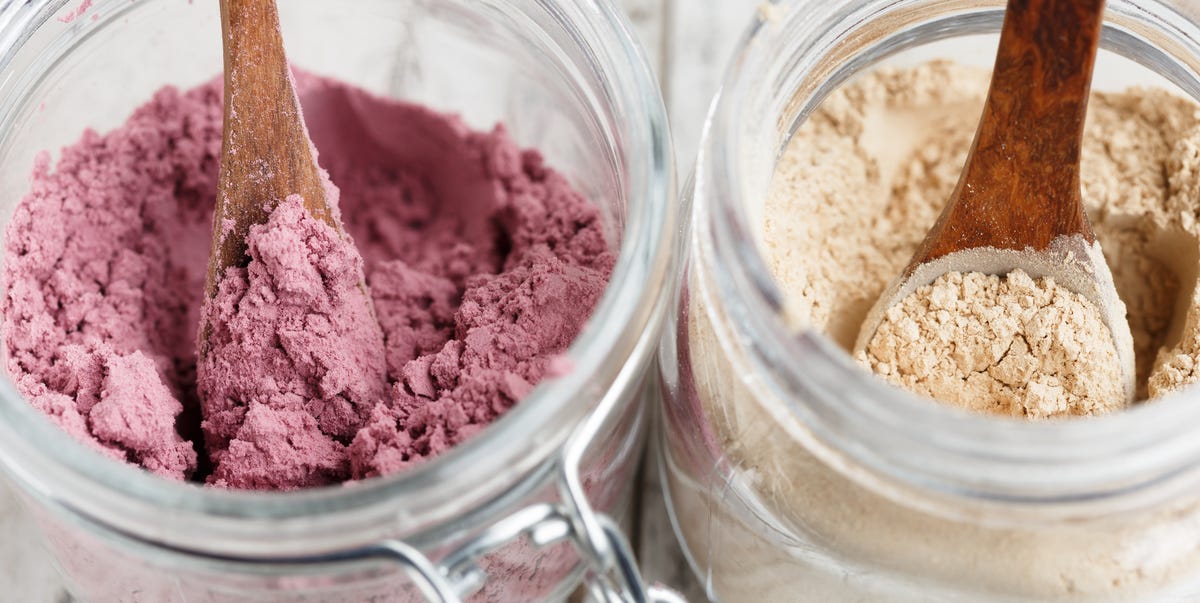
Superfood powders sound like something a superhero sprinkles into a smoothie before saving a bus full of kittens. In real life, they are simply concentrated powders made from nutrient-rich plants, algae, fruits, roots, seeds, or fermented foods. They can be useful, convenient, and surprisingly tastybut they are not magic fairy dust, and they definitely do not replace vegetables, sleep, exercise, or the heroic act of drinking enough water.
According to registered dietitian-style nutrition principles, the best superfood powders are the ones that add something meaningful to your routine: antioxidants, fiber, plant compounds, natural nitrates, minerals, or a convenient boost when your lunch looks suspiciously like coffee and regret. The goal is not to chase every wellness trend with a credit card in one hand and a blender bottle in the other. The goal is to choose powders that fit your real life, your taste buds, your budget, and your health needs.
This guide breaks down eight of the best superfood powders to consider, what makes each one useful, how to use it, and what to watch out for before adding a daily scoop to your routine.
What Are Superfood Powders?
Superfood powders are dried, ground, or extracted forms of foods that are naturally rich in nutrients or plant compounds. Common examples include spirulina, chlorella, moringa, matcha, cacao, maca, acai, beetroot, wheatgrass, turmeric, and greens blends. Some are single-ingredient powders, while others are blends containing dozens of fruits, vegetables, probiotics, enzymes, herbs, or adaptogens.
The term “superfood” is not a medical or regulatory category. It is mostly a marketing word. That does not mean the foods are useless; it simply means the word should be treated like a glittery sticker, not a scientific guarantee. A powder can be nutritious without being miraculous. A smart shopper looks past the dramatic label claims and focuses on ingredients, testing, dosage, taste, and whether the product actually solves a problem.
How a Registered Dietitian Would Choose a Superfood Powder
A registered dietitian would usually start with one practical question: “What are you hoping this powder will do?” If the answer is “make me immortal,” we need to have a gentle conversation. If the answer is “help me add antioxidants,” “make my smoothies more nutrient-dense,” “support exercise performance,” or “fill a nutrition gap during busy weeks,” then a superfood powder may be worth considering.
Look for Third-Party Testing
Dietary supplements in the United States are regulated differently from conventional foods and medications. Manufacturers are responsible for making sure their products are safe and accurately labeled, but supplements are not approved by the FDA before they hit the shelf. That makes third-party testing especially important. Look for seals or testing from organizations such as NSF, USP, ConsumerLab, or other reputable independent labs.
Choose Simple Ingredient Lists
In many cases, a single-ingredient powder is easier to evaluate than a blend with 72 ingredients and a label that reads like a botanical scavenger hunt. Simple formulas make it easier to know what you are taking, how much you are taking, and whether it might interact with medications or medical conditions.
Watch the Sweeteners and “Proprietary Blends”
Some powders taste like a freshly mowed lawn joined a gym. To fix this, brands may add sweeteners, flavors, gums, or sugar alcohols. That is not automatically bad, but sensitive stomachs may complain. Proprietary blends can also make it hard to know how much of each ingredient you are actually getting.
The 8 Best Superfood Powders
1. Spirulina Powder: Best for Plant-Based Protein and Blue-Green Nutrients
Spirulina is a blue-green algae that packs a surprising amount of nutrition into a tiny serving. It contains plant-based protein, iron, beta-carotene, and other phytonutrients. It is popular among vegans, athletes, and smoothie people who own more jars than plates.
The best use for spirulina powder is as a nutrient booster in smoothies, green juices, energy bites, or savory dips. Its flavor is earthy and oceanic, which is the polite way of saying it can taste like a pond with ambition. Start smallabout half a teaspoonand work your way up if you like it.
One important note: spirulina is often promoted as a source of vitamin B12, but conventional spirulina should not be relied on as a dependable B12 source. People following a vegan or vegetarian diet should use fortified foods or a proper B12 supplement instead.
Best for: plant-based eaters, smoothie lovers, and people who want a concentrated algae powder.
Watch out for: contamination risk if the algae is grown or processed poorly. Choose tested products from reputable brands.
2. Chlorella Powder: Best Green Algae Powder for Antioxidant Support
Chlorella is another green algae powder, but it is not just spirulina wearing a different outfit. Chlorella is a freshwater microalgae that contains chlorophyll, protein, vitamins, minerals, and antioxidants such as lutein and beta-carotene. Some research suggests chlorella may support healthy cholesterol, blood pressure, and immune markers, though more high-quality human studies are needed.
Chlorella has a stronger taste than many powders, so it works best in smoothies with banana, pineapple, citrus, ginger, or other bold flavors. If spirulina is “earthy,” chlorella is “earthy with a megaphone.” Capsules may be easier if taste is an issue.
Best for: people looking for a nutrient-dense green algae powder with antioxidant compounds.
Watch out for: digestive side effects such as gas, nausea, or cramping. People taking blood thinners or those with autoimmune conditions should ask a healthcare professional before using it.
3. Moringa Powder: Best Leafy Green Powder for Everyday Nutrition
Moringa powder is made from the leaves of the moringa tree, often called the “drumstick tree.” The leaves contain plant protein, vitamin C, vitamin A precursors, calcium, potassium, iron, and antioxidant compounds. In many cultures, moringa is used as a practical food, not just a trendy supplement.
As a powder, moringa has a mild grassy flavor that blends well into smoothies, soups, sauces, salad dressings, scrambled eggs, and even savory pancakes. It is a good option for people who want a leafy green powder without buying a giant tub of mystery greens.
Best for: people who want a simple, plant-based greens powder with minerals and antioxidants.
Watch out for: exaggerated claims. Moringa is nutritious, but it is not a cure for chronic disease. Large amounts may cause digestive upset.
4. Matcha Powder: Best Superfood Powder for Calm Energy
Matcha is powdered green tea made from shade-grown tea leaves. Because you consume the whole leaf, matcha provides more concentrated plant compounds than steeped green tea. It contains caffeine, L-theanine, and catechins such as EGCG, a type of antioxidant studied for potential metabolic and cardiovascular benefits.
Matcha is one of the best superfood powders for people who want a smoother morning lift than coffee. The combination of caffeine and L-theanine may feel gentler for some people, though caffeine sensitivity is very individual. If coffee makes you feel like a squirrel with a deadline, matcha may be worth trying.
Use ceremonial-grade matcha for drinking and culinary-grade matcha for smoothies, baked goods, and lattes. Whisk it with warm water before adding milk to avoid clumps, unless you enjoy chewing your beverage.
Best for: people who want antioxidant-rich energy support and a coffee alternative.
Watch out for: caffeine content. Green tea extracts in high-dose supplement form have been linked to liver concerns, so matcha as a beverage or food ingredient is generally a more sensible choice than concentrated extract pills.
5. Cacao Powder: Best Superfood Powder for Chocolate Lovers
Cacao powder proves that wellness does not have to taste like wet cardboard. Made from cacao beans, unsweetened cacao or cocoa powder contains flavanols, magnesium, iron, and antioxidant polyphenols. Cocoa flavanols have been studied for their potential role in supporting blood flow and heart health.
The trick is choosing unsweetened cacao or cocoa powder rather than sugary hot cocoa mix. One is a nutrient-rich ingredient; the other is basically dessert wearing a scarf. Add cacao powder to oatmeal, smoothies, Greek yogurt, chia pudding, or homemade energy bites.
Best for: people who want antioxidant-rich flavor without added sugar.
Watch out for: caffeine and theobromine, which may bother people who are sensitive to stimulants. Also, cacao can be bitter, so pair it with naturally sweet ingredients like banana or dates.
6. Maca Powder: Best Root Powder for Smoothies and Adaptogen Fans
Maca is a root vegetable native to the Andes region of Peru. It is usually sold as a powder with a nutty, malty flavor. Maca is often marketed for energy, mood, libido, and hormone balance, but the evidence is still developing. Think of it as a flavorful root powder with potentialnot a tiny beige miracle worker.
Maca works well in smoothies, oatmeal, coffee drinks, protein shakes, and baked goods. Its naturally caramel-like taste pairs beautifully with cacao, banana, peanut butter, cinnamon, and vanilla.
Best for: people who want a pleasant-tasting root powder for smoothies and snacks.
Watch out for: overhyped hormone claims. People with hormone-sensitive conditions, thyroid concerns, pregnancy, or breastfeeding should speak with a clinician before using maca regularly.
7. Acai Powder: Best Berry Powder for Antioxidants
Acai powder is made from deep purple acai berries, which are rich in anthocyanins and other antioxidant compounds. Acai became famous through smoothie bowls, where it is often buried under granola, banana, coconut, honey, and enough toppings to require architectural approval.
Freeze-dried acai powder is convenient because it is shelf-stable and easy to blend. It adds a tart berry flavor and a dramatic purple color to smoothies, yogurt bowls, chia pudding, and homemade popsicles.
Best for: people who want a fruit-based antioxidant powder without added sugar.
Watch out for: sweetened blends. Many acai products contain added sugars or fillers. Choose unsweetened acai powder when possible.
8. Beetroot Powder: Best Superfood Powder for Exercise and Blood Flow Support
Beetroot powder is made from dried beets and is naturally rich in dietary nitrates. The body can convert nitrates into nitric oxide, a compound that helps blood vessels relax and supports blood flow. Beetroot juice and beet supplements have been studied for blood pressure and exercise performance, especially endurance activities.
Beetroot powder has an earthy, slightly sweet flavor. It works well in smoothies with berries, citrus, ginger, or pomegranate juice. It can also be mixed into pancakes, hummus, salad dressing, or homemade sports drinks. Bonus: it turns everything pink, so your smoothie will look like it has a public relations team.
Best for: runners, cyclists, active adults, and people interested in nitrate-rich foods.
Watch out for: beeturia, the harmless red or pink color that may show up in urine or stool. People prone to kidney stones may need to be cautious because beets contain oxalates.
Are Greens Blends Worth It?
Greens powders can be helpful, but they are not automatically better than single-ingredient superfood powders. Many blends include grasses, algae, berries, mushrooms, herbs, probiotics, digestive enzymes, and adaptogens. That sounds impressive, but more ingredients do not always mean more benefit. Sometimes it just means more chances for stomach upset and more confusion on the label.
A good greens powder should disclose its ingredients clearly, avoid mega-doses, be third-party tested, and taste good enough that you will actually use it. A tub that sits untouched in your pantry is not a supplement; it is expensive kitchen décor.
How to Use Superfood Powders Without Making Your Smoothie Weird
The easiest way to use superfood powders is to start with familiar foods. Add a small scoop to smoothies, oatmeal, yogurt, chia pudding, soup, or homemade snack bites. Do not start with three powders at once unless you are conducting a science experiment and your digestive system signed the consent form.
For better flavor, pair green powders with pineapple, mango, lemon, ginger, or mint. Pair cacao and maca with banana, peanut butter, cinnamon, or vanilla. Pair beetroot and acai with berries and citrus. Matcha works best with milk, oat milk, almond milk, or a smoothie base that can soften its grassy edge.
Who Should Be Careful With Superfood Powders?
Superfood powders are not right for everyone. People who are pregnant, breastfeeding, taking prescription medications, managing kidney disease, living with autoimmune conditions, taking blood thinners, or preparing for surgery should talk to a healthcare professional before using supplements regularly. Children should not take concentrated powders unless recommended by a qualified clinician.
Also be cautious if a product promises to detox your body, balance all hormones, melt fat, reverse disease, or replace meals effortlessly. Your liver and kidneys already handle detoxification. They do not need a neon-green powder with a lightning bolt on the label to remember their job.
My Real-Life Experience With Superfood Powders
After testing different superfood powders in normal everyday routinesnot in a pristine influencer kitchen where the counters are always clean and the blender somehow washes itselfthe biggest lesson is simple: the best powder is the one you can use consistently without dreading it.
Spirulina was the most dramatic. The color is gorgeous, almost electric, but the taste can be intense. It worked best in a tropical smoothie with pineapple, banana, lime, and ginger. When mixed only with water, it tasted like the ocean had written a strongly worded email. A tiny amount went a long way. For beginners, half a teaspoon is plenty.
Chlorella felt similar but even greener. It blended better into bold smoothies than mild ones. If your smoothie is just almond milk and vanilla protein powder, chlorella may crash the party. But with mango, citrus, and mint, it becomes much more manageable. Capsules are honestly easier for people who dislike algae flavors.
Moringa was the easiest green powder to use in savory foods. It disappeared nicely into soups and scrambled eggs and added a subtle leafy flavor to smoothies. It felt less trendy and more practical, like the sensible friend who brings snacks and remembers where the car is parked.
Matcha became the most enjoyable daily option. A small matcha latte in the morning offered steady energy without the sharp coffee buzz. The key was preparation: sift the powder, whisk it with warm water, then add milk. Skipping those steps created clumps, and nobody wants a surprise powder island floating in their cup.
Cacao was the clear winner for taste. It made oatmeal, yogurt, and smoothies feel like dessert while still keeping added sugar low. The best combination was cacao, banana, peanut butter, and Greek yogurt. It tasted indulgent but still delivered protein, fiber, and minerals. This is the powder most people can stick with because chocolate rarely needs a motivational speech.
Maca was another favorite because of its nutty, malt-like flavor. It worked especially well with cacao and cinnamon. The effect was subtle; it did not create instant energy or superhero stamina. But as a flavor and nutrition booster, it earned a spot in the pantry.
Acai powder made smoothie bowls more colorful and fruity, especially when blended with frozen berries. The main challenge was price. Freeze-dried acai powder can be expensive, so it makes sense to use it when you really want the flavor and antioxidant boost, not as a casual dusting on everything.
Beetroot powder was surprisingly useful before workouts. Mixed with tart cherry juice or blended into a berry smoothie, it tasted earthy but pleasant. It also turned drinks a brilliant red-pink color, which made even a rushed pre-workout smoothie feel fancy. The only warning: beetroot can stain counters, cutting boards, shirts, and possibly your sense of innocence. Handle with care.
The overall experience showed that superfood powders are most helpful when they make healthy eating easier. They are not replacements for meals, vegetables, fruit, protein, or medical care. But they can be smart tools for busy mornings, bland smoothies, travel days, or weeks when your produce drawer contains one tired carrot and a lemon of uncertain age.
Final Verdict: Which Superfood Powder Is Best?
The best superfood powder depends on your goal. Choose matcha for calm energy, cacao for flavor and flavanols, beetroot for exercise support, moringa for everyday greens, acai for berry antioxidants, maca for a nutty smoothie boost, spirulina for plant-based algae nutrition, and chlorella for a concentrated green powder with antioxidant potential.
For most people, the smartest approach is to start with one powder, use it in small amounts, and pay attention to how your body responds. Buy from reputable brands, choose third-party tested products, avoid outrageous health claims, and remember that “superfood” is not a permission slip to ignore the rest of your diet.
Note: This article is for general educational purposes only and should not replace personalized medical or nutrition advice. Speak with a registered dietitian, physician, or qualified healthcare professional before starting any supplement, especially if you are pregnant, breastfeeding, taking medication, or managing a health condition.