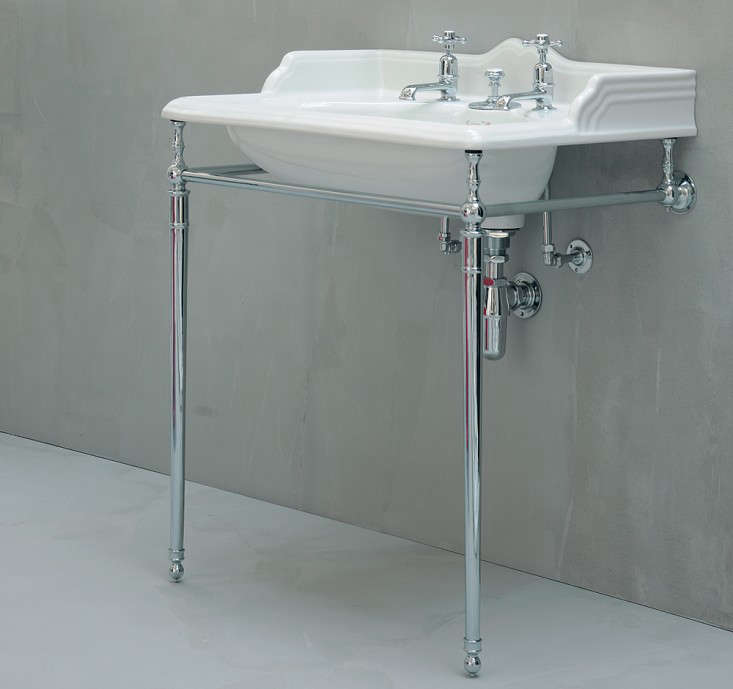
The Naver Hand Basin is the kind of bathroom fixture that quietly walks into the room wearing a tailored suit, says very little, and still manages to look more elegant than everyone else. It is not a flashy vessel bowl trying to become a sculpture, nor is it a storage-heavy vanity pretending to be a tiny apartment. Instead, it is a classic china vanity basin from Drummonds, built around the charm of traditional British bathroom design, a generous washing area, a refined metal stand, and details that make it feel intentionally old-world without feeling dusty.
For homeowners, designers, and bathroom-renovation dreamers, the Naver sits in an interesting category: part console sink, part period-style washstand, part functional statement piece. It brings together a white china basin, an integrated splashback, a plunger waste system, and a stand that may be finished in metals such as chrome, nickel, brass, or antique-style finishes. In plain English, it is a sink that says, “Yes, I wash hands, but I also have opinions about tile.”
What Is the Naver Hand Basin?
The Naver Hand Basin, also called the Naver China Vanity Basin, is a high-end bathroom basin designed for larger bathrooms, traditional interiors, luxury powder rooms, and period-inspired renovations. Its listed dimensions are approximately 910 mm high, 770–775 mm wide, and 560 mm deep, which converts to about 35.8 inches high, roughly 30.3 inches wide, and about 22 inches deep. That makes it more substantial than many compact pedestal sinks and more visually open than a full cabinet vanity.
The design includes a hand-poured china basin, a metal stand, a plunger waste, and an integrated splashback. The plunger waste is one of its signature functional touches because it eliminates the need for the old-fashioned plug and chain setup. That small detail matters: chains are charming until they start clinking, tangling, or collecting soap residue like they are auditioning for a plumbing horror movie.
Why This Basin Gets Attention
The Naver Hand Basin gets attention because it solves a design problem many homeowners face: how do you make a bathroom feel elegant without filling it with bulky furniture? A standard vanity offers storage, yes, but it can visually shrink a room. A pedestal sink looks airy, but it often offers limited deck space. A wall-mounted sink saves room, but it can feel too commercial if not styled carefully. The Naver lands somewhere in the sweet spot.
Its console-style frame keeps the floor visible, which helps the bathroom feel more open. The basin itself is wide enough to feel useful, not like one of those tiny powder-room sinks where washing your hands becomes a minor indoor splash event. The metal stand adds architectural structure, while the china bowl keeps the overall look crisp and timeless.
Design Style: Classic, British, and Surprisingly Flexible
The phrase “classic British bathroom design” usually calls to mind polished taps, white porcelain, marble, black-and-white tile, and a general feeling that someone nearby may be discussing tea with impressive seriousness. The Naver fits that world beautifully. It works especially well in bathrooms with traditional wall paneling, checkerboard floors, vintage mirrors, brass sconces, clawfoot tubs, or handmade tiles.
But the Naver does not have to live in a museum of old plumbing. In a modern American home, it can soften a minimalist bathroom that might otherwise feel too cold. Pair it with zellige tile, honed marble, limewash walls, or warm wood accents, and it becomes a bridge between historic charm and current design. A polished nickel finish gives it a clean, elegant personality; unlacquered brass adds warmth and patina; chrome keeps the look bright and classic.
Material Matters: Why China Still Works
Vitreous china and porcelain-style ceramic materials remain popular in bathrooms because they are durable, smooth, easy to clean, and visually timeless. The Naver’s china basin gives it that glossy, crisp appearance people associate with traditional luxury bathrooms. Unlike some porous natural stones, china is generally more forgiving in a daily-use sink environment, especially when wiped down regularly.
That said, “easy to clean” does not mean “immune to neglect.” Toothpaste, hard-water deposits, soap film, and mystery bathroom goo still exist. The best maintenance routine is simple: wipe the basin frequently with a soft cloth, use nonabrasive cleaners, avoid harsh scouring pads, and clean around fittings before mineral buildup decides to sign a long-term lease.
How the Naver Compares With Other Bathroom Sink Types
Naver vs. Pedestal Sink
A pedestal sink is often compact and elegant, but many models lack usable surface space. The Naver offers a wider basin and more presence. It has a similar open feeling but looks more like a furnished architectural element than a simple column-supported sink. If a pedestal sink is a polite handshake, the Naver is a handwritten thank-you note on thick stationery.
Naver vs. Console Sink
The Naver is closest to a console sink because it includes a basin supported by a stand. Typical console sinks may include legs, rails, and open space below. The Naver leans more traditional and premium, with a sculptural basin and integrated details. It feels less like a utility fixture and more like a centerpiece.
Naver vs. Cabinet Vanity
A cabinet vanity wins on hidden storage. No argument there. If your bathroom needs to hide six bottles of shampoo, three hair tools, cleaning supplies, and that lotion you bought during a “self-care era,” a vanity may be more practical. But the Naver wins on airiness, elegance, and visual impact. It is best when nearby storage already exists, such as a medicine cabinet, linen closet, recessed niche, wall shelf, or freestanding cabinet.
Best Bathrooms for the Naver Hand Basin
The Naver is not a tiny sink for a closet-sized half bath unless that half bath has ambitions and a generous floor plan. Because of its width and depth, it works best in medium to larger bathrooms, primary baths, guest bathrooms, and statement powder rooms. It is especially appealing where the sink wall is visible from the doorway, because the piece has enough presence to become the room’s focal point.
It also makes sense in historic homes or renovations where the goal is to preserve a period-sensitive look without using actual antique plumbing. Antique fixtures can be beautiful, but they may bring complications: unusual pipe sizes, worn finishes, cracks, or the thrilling surprise of discovering something no modern plumber wants to discuss. A new classic-style basin provides vintage character with more predictable installation.
Planning the Layout Before Installation
Before choosing a basin like the Naver, measure the room carefully. Width, depth, wall clearance, door swing, toilet placement, and shower access all matter. A beautiful sink is less charming when the bathroom door hits it every morning. As a rule, think beyond the product dimensions and consider how a person moves around it.
Because the Naver has an open stand, the plumbing will be more visible than it would be inside a cabinet vanity. That means the supply lines, trap, shutoff valves, and wall finish should look intentional. Chrome or polished nickel plumbing can look sharp; mismatched pipes and rough drywall will look like the renovation ran out of enthusiasm halfway through.
Faucet and Finish Choices
The right faucet can make or break the Naver Hand Basin. Traditional bridge taps, cross handles, lever handles, polished nickel, chrome, and brass finishes all suit the design. The best choice depends on the mood of the room. Chrome feels crisp and classic. Polished nickel feels warmer and slightly softer. Brass feels traditional, rich, and more expressive as it develops patina.
For American homeowners, water efficiency is also worth considering. A WaterSense-labeled bathroom faucet or aerator can reduce water flow compared with older standard models while still offering practical performance. In a luxury bathroom, sustainability does not need to look like a compromise. It can simply be the quiet technology behind the pretty handles.
Storage: The One Honest Trade-Off
The Naver’s open design is gorgeous, but it does not provide concealed cabinet storage. This is the moment where practicality clears its throat. If the bathroom is used by guests, the lack of storage may not matter. A tray for soap, a small basket for towels, and a nearby cabinet can be enough. In a primary bathroom, however, you will want a storage plan.
Good solutions include a mirrored medicine cabinet, recessed wall storage, a freestanding linen tower, baskets beneath the basin, a slim wall shelf, or a nearby built-in cabinet. The trick is to avoid cluttering the open space under the stand. The whole point of a console basin is visual breathing room. If you stuff twelve plastic bins underneath it, the design starts to look less “British elegance” and more “laundry room lost a fight.”
Cleaning and Maintenance Tips
For the china basin, use mild bathroom cleaner, warm water, and a soft cloth or sponge. Avoid abrasive pads that can dull the glaze. For metal finishes, follow the manufacturer’s care instructions because polished, brushed, unlacquered, and antique finishes age differently. Brass, for example, may darken naturally over time unless it is protected or polished regularly.
Hard-water areas require a little extra attention. Wipe around the tap bases and waste area after use when possible. Mineral deposits often start small, then suddenly become the bathroom equivalent of a tiny limestone mountain range. A regular wipe-down keeps the basin looking refined instead of “well loved by calcium.”
Design Pairings That Work Beautifully
Classic Black and White
Pair the Naver with black-and-white floor tile, white subway tile, polished nickel fittings, and a rectangular pivot mirror. This combination feels timeless and works particularly well in older homes, townhouses, and traditional guest baths.
Warm Traditional
Use unlacquered brass, cream walls, marble trim, and soft lighting. Add a framed mirror and linen hand towels. The result feels inviting rather than formal, like a boutique hotel bathroom that knows where the good soap is kept.
Modern Heritage
Combine the basin with large-format stone tile, a frameless shower, simple wall sconces, and restrained decor. The basin becomes the historic note in an otherwise clean-lined room, giving the space character without making it feel themed.
Who Should Choose the Naver Hand Basin?
The Naver is ideal for someone who values design, craftsmanship, and character more than maximum storage. It suits homeowners who want a bathroom centerpiece, designers working on luxury renovations, and anyone trying to create a traditional or transitional bathroom with authentic-looking details.
It may not be the best fit for a tight budget, a very small powder room, or a family bathroom where hidden storage is non-negotiable. It is also a product that should be installed thoughtfully, preferably with professional help, because wall support, plumbing alignment, finish protection, and on-site assembly all matter.
Common Mistakes to Avoid
The first mistake is buying for looks without checking dimensions. The Naver has generous proportions, which is part of its appeal, but those dimensions must work with your actual floor plan. The second mistake is ignoring plumbing visibility. Since the stand is open, the rough-in and visible pipes should be attractive and aligned. The third mistake is choosing a finish in isolation. The basin stand, taps, mirror, lighting, towel bars, shower fittings, and door hardware should speak the same design language, or at least attend the same family reunion.
Another common mistake is forgetting lighting. A basin this beautiful deserves flattering light. Wall sconces on both sides of the mirror usually provide better facial lighting than a single overhead fixture. Nobody wants a luxury sink paired with lighting that makes every morning feel like an interrogation scene.
Experience Notes: Living With a Basin Like the Naver
In real bathroom use, a basin like the Naver changes the rhythm of the room. The first thing people notice is the openness. A cabinet vanity can be practical, but it often creates a visual block, especially in older bathrooms where floor space is precious. The Naver’s stand allows the eye to continue underneath the basin, which makes the room feel lighter. This is especially helpful in bathrooms with decorative floors, because the tile remains visible instead of disappearing under cabinetry.
The second experience is the sense of ceremony. That may sound dramatic for a sink, but design affects daily habits. Washing your hands at a generous china basin with a proper splashback and handsome fittings feels different from using a builder-grade sink squeezed into a laminate counter. It encourages slower, tidier use. People tend to place a better soap beside it, hang a nicer towel nearby, and keep the surrounding area cleaner because the fixture looks like it deserves respect. Basically, the basin becomes the bathroom’s well-dressed friend, and nobody wants to disappoint it.
From a practical standpoint, the generous basin is useful. In many small pedestal sinks, water escapes easily when washing your face or rinsing a cloth. A wider basin provides more comfort and fewer splashy surprises. The integrated splashback also helps protect the wall behind the sink, which is a thoughtful detail in a room where water behaves like it has no adult supervision.
The open stand does create a different cleaning experience. There is no cabinet toe-kick collecting dust in a dark corner, which is good. But the visible pipes and rails need occasional wiping, especially in bathrooms with hard water or heavy daily use. The metal finish becomes part of the maintenance routine. Chrome may be easier for some homeowners because it is familiar and bright; brass offers more warmth but may require a more patient attitude toward patina.
Storage is the biggest lifestyle adjustment. People who are used to tossing everything into a vanity cabinet may need to rethink their habits. A medicine cabinet becomes more important. A nearby linen closet becomes a hero. Decorative baskets can help, but restraint is key. The Naver looks best when the area around it is edited: soap, towel, mirror, lighting, maybe a small tray. Once the basin is surrounded by half the contents of a drugstore aisle, its elegance starts waving a tiny white flag.
Guests tend to respond well to statement basins because they are memorable without being strange. A dramatic stone sink can polarize people. A novelty vessel bowl can feel dated quickly. The Naver’s appeal is quieter and more enduring. It looks expensive because it is composed, not because it is shouting. For homeowners who want a bathroom that feels special every day, that is the real experience: the Naver turns a routine fixture into a piece of design furniture, while still doing the humble job of handling water, soap, toothpaste, and the occasional dropped contact lens.
Conclusion
The Naver Hand Basin is a standout choice for anyone who wants a bathroom fixture with history, grace, and practical elegance. Its china basin, open metal stand, integrated splashback, and plunger waste system make it more than a simple sink. It is a design anchor. It works beautifully in traditional, transitional, and modern heritage bathrooms, especially where the goal is to create a room that feels crafted rather than assembled from whatever was on sale near aisle twelve.
It is not the right basin for every home. It requires space, planning, proper installation, and a smart storage strategy. But for the right bathroom, the Naver delivers a rare combination: classic style, generous proportions, daily usability, and enough personality to make handwashing feel oddly elegant. And honestly, if a sink can make brushing your teeth feel a little more refined, it deserves at least a polite round of applause.
Note: Pricing, finishes, measurements, and availability may change over time. Before purchasing or publishing product-specific buying advice, verify current specifications with the retailer or manufacturer and consult a qualified plumber or bathroom designer for installation requirements.