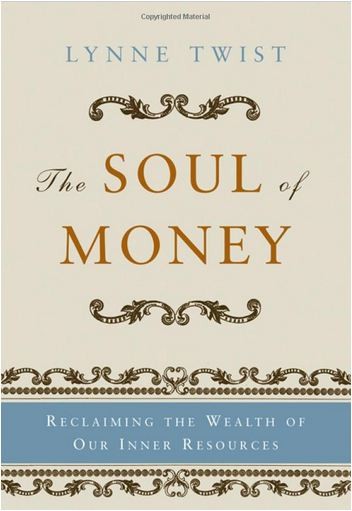
Money is strange. It is a number on a screen, a stack of bills in a drawer, a little plastic card that somehow knows every bad decision we made at midnight. Yet money also carries enormous emotional weight. It can represent safety, independence, generosity, status, fear, opportunity, or the ability to say, “No, thank you,” to a job that treats lunch breaks like a suspicious foreign concept.
That is the soul of money: the human meaning behind the math. Money itself is not noble or evil. It is a tool. A hammer can build a home or dent a wall during an argument with a picture frame. Money works the same way. Its impact depends on the values, systems, and choices behind it.
Understanding the soul of money does not mean ignoring budgets, debt, savings, or investing. It means putting those practical habits in their proper place. Financial success is not only about having more. It is about using what you have to build security, freedom, connection, and a life that feels like your own.
What Does the Soul of Money Really Mean?
The phrase the soul of money invites a bigger question than, “How much do I have?” It asks, “What is my money doing in my life?” A healthy relationship with money is not measured only by income, credit score, home size, or the number of streaming services you forgot to cancel.
Financial well-being has practical and emotional sides. On the practical side, people need enough money to cover essentials, handle surprises, and plan for future goals. On the emotional side, they need a sense of control and the confidence to make choices without constant panic.
Someone with a high salary can still feel trapped if every dollar is already assigned to debt, lifestyle pressure, and expectations. Meanwhile, someone earning a more modest income may feel grounded because they understand their cash flow, save consistently, and spend in ways that match their priorities.
The soul of money is not about pretending that money does not matter. It matters very much when rent is due, a car breaks down, or a family member needs help. The goal is to stop treating money as a scoreboard for human worth and start treating it as a resource for a meaningful life.
Wealth Is More Than a Number
Traditional money conversations often focus on accumulation: earn more, save more, invest more, own more. Those ideas are useful, but they are incomplete. A person can accumulate a surprising amount of stuff and still feel like they are emotionally living in an airport gift shop.
A fuller definition of wealth includes four important forms of financial freedom:
- Security: The ability to cover needs and survive financial surprises.
- Control: A clear view of where money goes and why.
- Choice: The flexibility to make decisions that support your goals.
- Contribution: The capacity to support people, causes, and communities you value.
This definition makes room for real life. It recognizes that a strong financial foundation may look different for a student, a new parent, a freelancer, a caregiver, or someone rebuilding after a job loss. There is no single “correct” lifestyle. There is only the question of whether your money habits are helping you become more secure and more aligned with what matters to you.
Security Comes Before Sparkle
Before money can feel soulful, it has to be stable enough to do its basic job. That means paying core expenses, keeping insurance and essential bills current, and building some protection against the unexpected. An emergency fund may not be glamorous, but neither is calling a credit card company because your refrigerator suddenly decided to retire without notice.
Even a small cash reserve can create breathing room. It can help prevent a minor emergency from becoming high-interest debt, missed payments, or a full-scale financial drama featuring too many spreadsheets and not enough sleep.
Your Money Story Is Already Writing Your Decisions
Everyone has a money story. Maybe you grew up hearing that money is scarce and must be guarded. Maybe you learned that spending proves success. Maybe your family avoided discussing bills so thoroughly that the word “budget” now makes you feel like you are about to be grounded.
These early messages shape financial behavior long after childhood. They can influence whether someone overspends, hoards cash, avoids investing, feels guilty about earning more, or gives away too much in an effort to be seen as generous.
To understand your money mindset, ask yourself a few honest questions:
- What did money mean in my home when I was growing up?
- Do I spend to solve a practical need, or to soothe stress, boredom, or comparison?
- What purchases make me feel genuinely satisfied after a month?
- What purchases make me wonder why a delivery truck knows my address so well?
- What would “enough” look like for me?
There are no gold-star answers. The point is awareness. Once you understand your patterns, you can make intentional financial decisions instead of repeating old habits on autopilot.
Turn Values Into a Personal Money Plan
Values-based budgeting is where the soul of money becomes practical. A budget is not a punishment. It is a plan for directing limited resources toward the things that matter most. Think of it less like a financial prison and more like a GPS that occasionally reminds you that taking the scenic route through online shopping has consequences.
Start With Your Non-Negotiables
List the expenses that protect your life and stability first. Housing, food, transportation, utilities, health care, insurance, required debt payments, and basic family responsibilities belong near the top. These are not exciting categories, but they are the floor beneath everything else.
Then add future priorities. These may include emergency savings, education, retirement investing, a home down payment, business goals, or a planned career transition. Giving future-you a line in the budget is one of the kindest things current-you can do.
Spend Generously on What You Truly Value
Frugality is useful, but extreme penny-pinching is not automatically wisdom. The goal is not to become the person who reuses a tea bag until it files a complaint. The goal is to cut spending that does not improve your life so you can spend more intentionally on what does.
For one person, that may be travel with family. For another, it may be a quiet home, a healthier grocery budget, music lessons, a reliable car, or the freedom to work fewer hours. Purposeful spending means your money reflects your values instead of your feed, your neighbors, or an advertisement that insists your life is incomplete without a toaster that connects to Wi-Fi.
Create Distance Between Feelings and Purchases
Emotional spending is common because buying something can create a quick sense of relief, control, or excitement. The problem is that the feeling often leaves faster than the package arrives.
Try using a pause rule for nonessential purchases. For a small item, wait a day. For a larger item, wait a week or longer. During that pause, ask whether the purchase serves a real need, supports a personal value, or simply distracts from a difficult mood.
This is not about eliminating fun. Joy belongs in a healthy spending plan. It is about choosing joy on purpose rather than buying tiny bursts of excitement that later become clutter, subscriptions, and regret.
Build Systems That Give Your Money a Job
Good intentions are lovely, but systems are what keep money plans alive when life gets busy. The most useful personal finance habits are usually not dramatic. They are repetitive, quiet, and slightly boring. That is good news. Boring financial habits are often the ones that work.
Automate Saving
Set up automatic transfers to savings after each paycheck or on a regular schedule. Even a modest amount can build momentum. A separate savings account can also make it less tempting to spend emergency money on everyday purchases.
Automation turns saving from a monthly debate into a routine. Your brain has enough decisions to make already. It does not need to hold a committee meeting every time you consider moving money into savings.
Handle Debt With a Clear Strategy
Debt is not a character flaw. It is a financial obligation, and it deserves a plan rather than shame. Start by listing balances, interest rates, minimum payments, and due dates. Then choose a repayment approach you can maintain.
Some people prefer paying the smallest balance first for motivation. Others focus on the highest-interest balance first to reduce interest costs. Either approach can work when paired with consistent payments, careful spending, and a realistic budget.
Most importantly, avoid treating debt repayment as proof that you have failed. Paying down debt is proof that you are taking responsibility and creating more freedom for the future.
Invest for the Life You Want Later
Saving protects short-term goals. Investing can support long-term goals by giving money the opportunity to grow over time. The most important principle is not chasing a thrilling tip from a stranger who uses three rocket emojis in every sentence. It is understanding risk, diversification, fees, time horizon, and your own financial capacity.
For many people, consistent long-term investing through workplace plans or individual retirement accounts can be more useful than trying to predict every market move. Before making investment decisions, review your goals and consider professional financial or tax guidance when your situation is complex.
Generosity Is Part of the Soul of Money
Money can create connection when it is used with care. That might mean supporting a local business, helping a family member during a hard season, donating to a cause, tipping fairly, mentoring someone, or simply bringing dinner to a friend who is overwhelmed.
Generosity does not require wealth. It requires intention. A person with a modest income can still build giving into their life through time, skills, small donations, or practical support. At the same time, generosity should not require self-destruction. You cannot sustainably help everyone by ignoring your own rent, debt, or health needs.
Healthy giving has boundaries. It comes from choice, not pressure. It supports others without leaving you resentful, financially exposed, or quietly wondering whether your checking account has joined a witness-protection program.
Money Cannot Buy Meaning, but It Can Make Meaning Easier to Pursue
Money cannot purchase trust, inner peace, belonging, creativity, or purpose. It can buy a fancy chair, but it cannot guarantee that anyone will want to sit with you. It can pay for a vacation, but it cannot force you to rest.
Still, money can create conditions that make a meaningful life easier to build. It can buy time, education, transportation, safer housing, health care, tools for a business, and room to make better choices. Financial freedom is not about escaping all responsibility. It is about having more ability to direct your energy toward the life you want.
The best money plan is not the one that looks impressive from a distance. It is the one that helps you sleep more peacefully, care for people you love, prepare for uncertainty, and use your resources with honesty.
A 30-Day Reset for Your Relationship With Money
You do not need a dramatic financial makeover to reconnect with the soul of money. Start small and build a clearer relationship with your resources.
- Week One: Track every expense without judging yourself.
- Week Two: Identify three expenses that support your values and three that do not.
- Week Three: Set up or strengthen an automatic savings transfer.
- Week Four: Review one debt, insurance policy, investment account, or financial goal you have been avoiding.
At the end of the month, ask one simple question: “Did my money help me live more like the person I want to be?” That question is more useful than comparing your life to someone else’s highlight reel.
Experiences That Reveal the Soul of Money
The following examples are composite experiences designed to show how everyday financial choices can reveal deeper values.
The Grocery Cart Reality Check
Maria used to feel annoyed every time she spent more at the grocery store than she expected. She treated food as a category where she had to win by spending as little as possible. Then she noticed something: the cheapest choices often led to more takeout, more wasted ingredients, and more stress on busy nights. She changed her plan. She bought simple, nutritious foods she actually used, prepared a few easy meals, and allowed room for one small treat each week. Her grocery total did not become magical, but it became intentional. The soul of money appeared in a very ordinary place: a cart full of choices that supported her health and her time.
The Emergency Fund That Changed a Bad Week
Daniel had been saving small amounts for months, mostly because he was tired of feeling one surprise away from disaster. When his car needed an unexpected repair, he was frustrated, but not financially wrecked. He paid the bill from savings, adjusted his spending for the month, and moved on. No new high-interest balance. No panic. No need to borrow from a friend and pretend the repayment text was “just a casual check-in.” The repair was not pleasant, but the emergency fund gave him something valuable: the ability to handle a problem without turning it into a crisis.
The Promotion That Did Not Require a Bigger Lifestyle
When Aisha received a raise, her first instinct was to upgrade everything. Better apartment, better clothes, better phone, better coffee, better chair for looking at the better phone. Instead, she paused and divided the new income into three categories: future savings, debt repayment, and guilt-free enjoyment. She still celebrated. She took a weekend trip and bought a few things she had wanted. But she avoided increasing every monthly obligation. The result was surprising: the raise felt more powerful because it created options instead of just more bills. Her income grew, but more importantly, her financial freedom grew with it.
The Conversation That Made a Couple Stronger
Two partners had been arguing about money for months. One wanted to save aggressively; the other wanted to enjoy life now. Their real disagreement was not about restaurant bills. It was about fear. One feared financial instability. The other feared a future spent constantly postponing joy. Once they said those fears out loud, they built a shared plan with both savings goals and a monthly fun category. The budget did not solve every disagreement, but it gave them a common language. Their money stopped being a weapon in arguments and became a tool for teamwork.
The Gift With Boundaries
Chris wanted to help a relative who was struggling. In the past, he had given money quickly and then worried about his own bills. This time, he looked at his budget first. He chose an amount he could truly afford, offered practical help, and made clear that he could not become a permanent source of support. It felt uncomfortable at first. Then it felt honest. Generosity became more meaningful because it came from a stable place rather than guilt. The soul of money is not endless sacrifice. It is compassionate action with enough wisdom to protect everyone involved.
Conclusion: Let Money Serve Your Life
The soul of money is found in the choices behind every dollar: the savings account that creates calm, the debt payment that restores options, the purchase that reflects a true value, and the gift that strengthens a relationship without weakening your foundation. Money is not your identity. It is a tool you can direct with purpose.
Build financial habits that support security first, freedom second, and meaning always. The goal is not to make money the center of your life. The goal is to make sure your life, values, and future remain at the center of your money decisions.
SEO Tags
Note: Source links are intentionally omitted. The factual framing synthesizes public U.S. guidance from financial-wellness, consumer-finance, banking, tax, investing, and financial-education organizations.