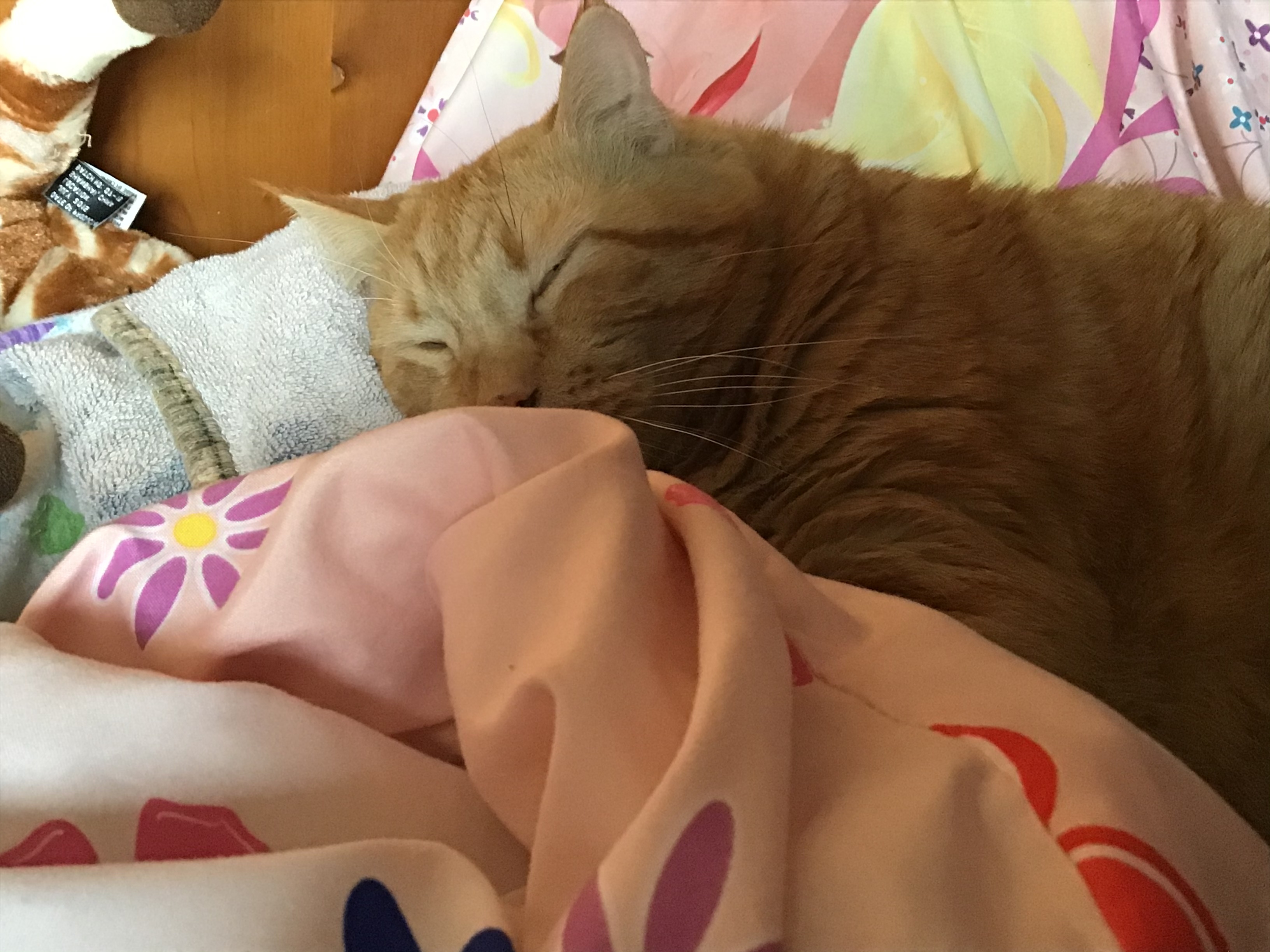
There are two kinds of people in the world: people who say they own a cat, and people who have lived with a cat long enough to know the truth. You do not exactly “own” a cat. You negotiate with a small, velvet-pawed roommate who has strong opinions about breakfast, cardboard boxes, sunlight, closed doors, and the mysterious evil of a half-empty food bowl.
“This Is My Cat” sounds like a simple sentence, but anyone who shares a home with a feline knows it can mean many things. It can mean, “This is my best friend.” It can mean, “This is the reason I cannot have nice curtains.” It can also mean, “This is the tiny creature who ignores the expensive cat bed but sleeps inside the shipping box it came in.”
Behind the jokes, though, cats are complex, intelligent, sensitive animals. They need more than food and a cozy place to nap. A healthy cat-friendly home includes proper nutrition, clean water, safe litter boxes, scratching outlets, mental enrichment, veterinary care, gentle handling, and respect for a cat’s unique personality. When you understand what your cat is trying to tell you, the relationship becomes less confusing and a lot more rewarding.
What Makes a Cat Feel Like “My Cat”?
A cat becomes “my cat” not because it wears a collar with your phone number on it, but because the two of you build routines. Maybe your cat greets you at the door with a dramatic stretch, as if they personally held the household together while you were gone. Maybe they sleep beside your laptop during work, silently judging your typing speed. Maybe they sit three feet away from you, refusing direct affection but also refusing to leave the room. That counts as love in cat language.
Cats are often called independent, but independence does not mean they are emotionally distant. Many cats form strong bonds with their people. They simply express affection differently from dogs. Instead of jumping into your arms like a furry parade float, a cat may slow blink, knead a blanket, follow you from room to room, rub their cheeks on your furniture, or sit near you with their tail gently curved. These small gestures are easy to miss if you expect affection to arrive loudly.
Understanding Your Cat’s Personality
Every cat has a personality shaped by genetics, early experiences, environment, health, and daily routine. Some cats are social butterflies who believe every guest came specifically to admire them. Others are quiet observers who prefer to study visitors from under the couch like tiny private investigators. Neither personality is wrong. The goal is not to force your cat to become a different cat; the goal is to understand the cat in front of you.
The Confident Cat
A confident cat explores new spaces, greets familiar people, uses scratching posts openly, and enjoys predictable play. This cat may appreciate climbing shelves, window perches, puzzle feeders, and interactive toys. A confident cat still needs boundaries. Even a bold feline can become stressed if the home is noisy, chaotic, or lacking quiet escape spots.
The Shy Cat
A shy cat is not “bad,” “boring,” or “mean.” Shy cats often need time, patience, and safe hiding places. Let them approach at their own pace. Sit nearby, speak softly, offer treats, and avoid grabbing or chasing. A shy cat who chooses to sit beside you after weeks of careful trust-building may feel like winning a tiny emotional lottery.
The Mischief Manager
Some cats were born with the soul of a kitchen inspector. They open cabinets, knock pens off desks, test gravity with water glasses, and enter rooms they are not allowed to enter simply because the rule exists. This kind of cat needs enrichment. Mischief is often curiosity wearing a little criminal hat. Provide climbing spaces, toys, food puzzles, scheduled play sessions, and safe ways to investigate the world.
Basic Cat Care: The Everyday Things That Matter
Good cat care is built from small habits. A clean litter box, fresh water, appropriate food, safe toys, regular grooming, and preventive veterinary visits may not sound glamorous, but they are the foundation of a healthy feline life. Cats are good at hiding discomfort, so routine care matters even when everything looks normal.
Food and Water
Cats need a diet designed for their life stage, health status, and activity level. Kittens, adult cats, senior cats, pregnant cats, and cats with medical conditions may need different nutritional support. Look for cat food labeled for cats, and pay attention to whether it is complete and balanced for the intended life stage. If your cat has weight changes, vomiting, diarrhea, dull coat, low appetite, or unusual thirst, it is time to involve a veterinarian rather than guessing from internet comments written by someone named “WhiskerWizard99.”
Fresh water should always be available. Some cats prefer running water, wide bowls, or water placed away from food. If your cat acts personally offended by a bowl you lovingly purchased, try a different material, shape, or location. Cats can be particular, and sometimes their preferences are less “diva behavior” and more comfort, scent, whisker sensitivity, or habit.
Litter Box Setup
The litter box is one of the most important pieces of cat furniture in the home, even if nobody brags about it on design blogs. Place it in a quiet, accessible location. Keep it clean. Scoop daily and wash the box regularly with mild, unscented cleaning methods. Strong fragrances may please human noses but bother cats, whose noses are far more sensitive.
In multi-cat households, a helpful rule is one litter box per cat plus one extra, placed in different areas. This prevents one cat from guarding access and gives everyone options. If a cat suddenly stops using the litter box, do not assume revenge. Cats are not writing emotional protest poetry in the hallway. House-soiling can be linked to stress, box location, litter type, cleanliness, conflict with another pet, or medical problems such as urinary discomfort. A vet check is wise when litter habits suddenly change.
Scratching Is Normal, Not Naughty
Scratching helps cats stretch, maintain claws, mark territory, and release energy. The solution is not to stop scratching completely. The solution is to make appropriate scratching surfaces more attractive than your sofa, which unfortunately cannot defend itself.
Offer sturdy scratching posts, cardboard scratchers, vertical posts, horizontal pads, and different textures. Place them near favorite resting areas or locations where your cat already scratches. Praise and reward your cat for using them. If your cat scratches furniture, redirect calmly. Covering the target area temporarily with less appealing textures can help while the better scratching option becomes the new favorite.
Indoor Cat Enrichment: Turning a House Into a Habitat
An indoor cat is safer from many outdoor risks, but indoor life can become dull without stimulation. A cat-friendly home supports natural behaviors: hunting, climbing, hiding, scratching, exploring, resting, and watching the world. You do not need to turn your living room into a jungle gym, though your cat would absolutely vote yes. Small improvements can make a big difference.
Play Like a Cat Thinks
Good cat play imitates hunting. Use wand toys, feather toys, or small moving toys to mimic prey. Let the toy hide, dart, pause, and escape. Avoid waving it directly in your cat’s face for five minutes like you are conducting an orchestra. The fun is in the chase, stalk, pounce, and capture.
End play sessions by letting your cat “catch” the toy, then offer a small treat or meal. This completes the hunting sequence and helps your cat feel satisfied. Short daily sessions are often better than one giant play marathon that leaves everyone lying on the floor questioning their life choices.
Give Your Cat Vertical Space
Cats love height because it gives them security and a better view. Cat trees, shelves, window perches, or safe furniture arrangements can create vertical territory. A high resting spot lets your cat observe household activity without being in the middle of it. This is especially useful in homes with children, guests, dogs, or multiple cats.
Make Resting and Hiding Easy
A good cat home includes both social spaces and private spaces. Provide beds, blankets, boxes, covered hideaways, or quiet rooms where your cat can retreat. Hiding is not always a problem. Sometimes it is simply how a cat relaxes. The concern comes when hiding is sudden, constant, or paired with appetite loss, lethargy, pain signs, or behavior changes.
Reading Cat Body Language
Cats talk constantly, just not always with meows. Their tails, ears, eyes, whiskers, posture, and movement all send messages. Learning these signals helps you avoid misunderstandings and build trust.
Slow Blinks and Soft Eyes
A relaxed cat may look at you and slowly close their eyes. This slow blink is often associated with comfort and trust. You can try slow blinking back. It may feel silly at first, but so does talking to a cat while they stare at a wall at 2 a.m., and most cat people do that too.
The Tail Tells a Story
A tail held upright can signal friendliness or confidence. A puffed tail often means fear or excitement. A fast-thrashing tail may mean irritation. A gently moving tail may simply show interest. Context matters. A cat watching a bird with a twitching tail is not necessarily upset; they may be deeply engaged in imaginary bird-related business.
Purring Is Not Always Simple
Purring often happens when cats are relaxed, but cats may also purr when anxious, uncomfortable, or unwell. Look at the whole picture. A cat purring while kneading a blanket with loose body posture is probably content. A cat purring while hiding, refusing food, or acting weak needs attention.
Health, Safety, and Clean Habits
Responsible cat ownership includes regular veterinary care, vaccines based on risk and lifestyle, parasite prevention, dental care, safe handling, and prompt attention to changes in behavior or appetite. Cats often hide illness well. A subtle change, such as drinking more water, losing weight, avoiding jumps, hiding more, or becoming unusually clingy, can be important.
Basic hygiene also protects both cats and people. Wash hands after cleaning litter boxes, handling waste, or treating scratches. Teach children to interact gently and supervise them around cats. Even loving cats may scratch or bite if frightened, hurt, cornered, or overstimulated. Respecting a cat’s boundaries is not only kind; it is safer for everyone.
Living With a Cat: The Beautiful Daily Chaos
Living with a cat means accepting a new household rhythm. Your morning may begin with a paw on your face. Your laundry may be inspected before folding. Your chair may become unavailable because the cat is using it, and somehow you will apologize to the cat instead of moving them. This is normal. This is how the system works.
But cats also bring calm. A cat sleeping in a sunbeam can make a room feel peaceful. A cat curling beside you after a long day can turn an ordinary evening into something softer. A cat choosing your lap feels special precisely because cats are selective. Their affection is not automatic; it is earned through patience, care, and trust.
Personal Experience: What “This Is My Cat” Really Means
When I think about the phrase “This Is My Cat,” I do not imagine a perfect pet posing like a magazine model beside a spotless white sofa. Real cat life is much funnier and far more honest. It is the experience of buying a toy shaped like a mouse, only for the cat to fall in love with the receipt. It is filling a beautiful ceramic bowl with fresh water, then watching the cat drink from a suspicious cup near the sink as if it contains mountain spring water blessed by ancient felines.
The first lesson a cat teaches is patience. You may want affection on your schedule, but a cat operates by ancient internal law. At 10:00 a.m., they may ignore you completely. At 10:07 a.m., they may decide your keyboard is the warmest, most spiritually meaningful place in the universe. You learn to stop demanding love and start recognizing it when it appears. A head bump, a slow blink, a quiet nap nearby, or a tail wrapped around your leg can say more than a loud greeting ever could.
The second lesson is observation. Cats reward people who pay attention. You begin to notice which window gets the best afternoon light, which toy triggers the most dramatic pounce, which sound makes the ears turn, and which blanket has been officially claimed by royal decree. You also learn that small changes matter. If your cat skips a meal, hides more than usual, or stops jumping onto a favorite chair, you do not brush it off. You pay attention because cats often whisper before they shout.
The third lesson is humility. A cat will keep you humble by rejecting your expensive ideas and celebrating simple ones. A cardboard box becomes a castle. A paper bag becomes a cave. A sun patch becomes a five-star resort. You realize that happiness does not always need to be complicated. Sometimes it needs a clean litter box, a safe home, a full water bowl, a good scratching post, and a human who understands that the cat was never being “difficult”the cat was communicating.
Most of all, living with a cat teaches companionship without pressure. Cats can be affectionate without being clingy, independent without being cold, and playful without being predictable. They fit themselves into daily life in quiet ways until the home feels strange without them. That is the heart of “This Is My Cat.” It is not just an introduction. It is a small declaration of loyalty, comedy, responsibility, and love.
Conclusion
“This Is My Cat” may sound like a simple title, but it opens the door to everything that makes feline companionship special. Cats are funny, mysterious, affectionate, opinionated, sensitive, and deeply individual. They need thoughtful care, not just admiration. When you provide good nutrition, fresh water, a clean litter box, scratching outlets, enrichment, safe spaces, and regular veterinary care, you give your cat the foundation for a healthier and happier life.
The reward is a relationship built on trust. Your cat may not always come when called. They may not appreciate your best jokes. They may continue to believe that your clean laundry is a luxury bed prepared specifically for them. But when they choose you, sit near you, blink slowly at you, or fall asleep in your presence, the message is clear: this is your cat, and somehow, wonderfully, you are their person.
Note: This article is for general informational purposes and should not replace advice from a licensed veterinarian, especially if your cat shows sudden changes in appetite, litter box habits, behavior, weight, energy, or comfort.