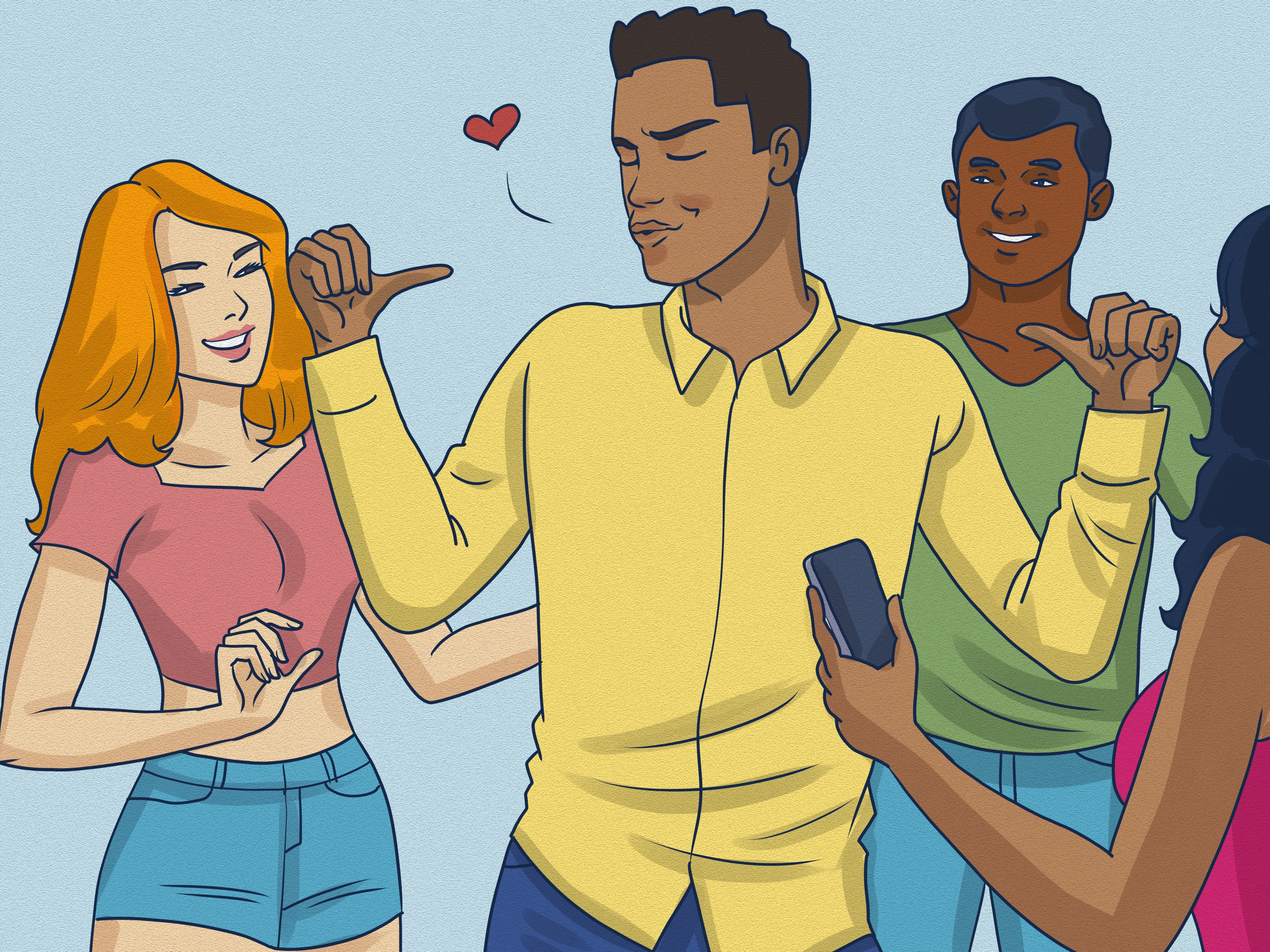
In the grand museum of TikTok phrases that sound like they were invented during a group chat breakdown, “Sassy Man Apocalypse” deserves its own velvet rope. It is dramatic. It is funny. It is slightly confusing if you have not spent three hours accidentally learning internet slang while trying to watch one cooking video. And, most importantly, it says a lot about how people online are talking about men, confidence, relationships, gender expression, and the tiny theatrical sighs that apparently can launch a thousand memes.
The “Sassy Man Apocalypse” is a TikTok trend and internet phrase used to describe men who act expressive, cheeky, dramatic, witty, emotionally reactive, stylish, or playfully “over it” in ways that social media users label as “sassy.” The joke often appears in videos where someone films her boyfriend, husband, male friend, brother, or favorite creator doing something that feels unexpectedly animated: rolling his eyes, snapping back with a one-liner, giving a side-eye worthy of a reality TV reunion, placing a hand on his hip, sending a spicy text, or acting like he has officially had enough.
At first glance, it is just another TikTok trend. Look closer, though, and it becomes a miniature culture war dressed in a crop top, holding an iced coffee, and saying, “Be so serious.”
What Does “Sassy Man Apocalypse” Mean?
The phrase “Sassy Man Apocalypse” refers to the perceived rise of men who are openly expressive, emotionally reactive, playful, dramatic, or traditionally “feminine” in their gestures and communication style. The word “apocalypse” is not literal, of course. No one is running through the streets because a man used a hand gesture while explaining brunch plans. It is TikTok exaggeration: a funny way of saying, “Why are so many men acting like this all of a sudden?”
In most videos, the tone is humorous. A girlfriend might post a clip of her boyfriend dramatically turning away after a minor disagreement. Someone might share a screenshot of a man texting “girl bye,” “be for real,” or something equally theatrical. Another creator might show a man dancing, clapping back, or giving a perfectly timed facial expression. The caption usually frames the poster as a “victim” of the Sassy Man Apocalypse, as if she has discovered that her man has more attitude than she does.
The humor comes from reversal. For years, many online jokes treated men as emotionally flat, blunt, or allergic to expressive behavior. The Sassy Man Apocalypse flips that expectation. Suddenly, the guy in the video is not silent and stoic. He is giving commentary. He is giving face. He is giving “I have thoughts, and you will hear them.”
Where Did the Sassy Man Apocalypse Come From?
The phrase traces back to social media, especially X, formerly Twitter, before TikTok turned it into a repeatable video format. The original joke was simple: people were noticing men acting in ways that were described as extra, cheeky, expressive, or not traditionally macho. Once TikTok users picked it up, the phrase became a caption template.
The trend gained serious traction in 2023, when creators began posting “the moment I realized I was a victim of the Sassy Man Apocalypse” videos. These clips often focused on boyfriends doing small, funny things that looked unusually dramatic. Think exaggerated sighs, hands-on-hips posture, annoyed little stomps, side-eyes, playful complaints, or comments delivered with the confidence of someone who has rehearsed in the mirror.
Some creators became closely associated with the broader “sassy man” conversation, including TikTok personalities known for confident, flamboyant, warm, or highly expressive content. For many viewers, these creators were not simply being funny; they were also offering an alternative to the stiff, hypermasculine influencer style that dominated parts of the internet.
That is one reason the trend stuck. It was not just a joke about boyfriends being dramatic. It was a joke about the internet finally making room for men who are funny, stylish, sensitive, expressive, and not terrified of looking “too much.”
Why Did the Trend Go Viral on TikTok?
The Sassy Man Apocalypse went viral because it was easy to understand, easy to copy, and instantly relatable. TikTok loves a format that can be explained in one sentence and recreated in ten seconds. This trend had all the ingredients: a catchy phrase, relationship humor, recognizable body language, gender commentary, and a little bit of harmless chaos.
1. The Caption Did Most of the Work
“The moment I realized I was a victim of the Sassy Man Apocalypse” is funny before the video even begins. It turns a tiny everyday moment into a dramatic discovery. Your boyfriend did an eye roll? Apocalypse. Your husband said “don’t start with me” while folding laundry? Apocalypse. Your male friend ordered a complicated coffee and judged everyone else’s shoes? Emergency broadcast system activated.
2. The Behavior Was Instantly Recognizable
Most people have seen someone act sassy. The exact definition changes depending on context, but the vibe is familiar: quick comebacks, theatrical pauses, expressive faces, bold confidence, stylish flair, and a refusal to be emotionally invisible. That recognition made the videos feel personal. Viewers could tag a friend, a partner, or themselves.
3. The Trend Was Funny Without Needing a Big Setup
Some TikTok trends require choreography, editing, props, or a deep understanding of five layers of internet lore. This one did not. A short clip, a caption, and one dramatic boyfriend moment were enough. The lower the effort, the faster a meme travels.
4. It Connected to Bigger Conversations
Behind the jokes, the trend touched a bigger question: What kinds of behavior are men “allowed” to show? When a woman is expressive, she might be called funny, dramatic, stylish, or emotional. When a man acts the same way, some people praise him as confident while others mock him as feminine, unserious, or “not masculine enough.” That tension gave the trend more staying power than a simple boyfriend roast.
Is “Sassy Man Apocalypse” an Insult?
It depends on how the phrase is used. In many TikTok videos, “sassy man” is playful. It can describe a man who is confident, funny, expressive, witty, emotionally available, stylish, or comfortable being a little dramatic. In that sense, it is almost affectionate. A sassy man may be the person who says what everyone else is thinking, turns a boring errand into a performance, and somehow makes a grocery store aisle feel like a stage.
However, the phrase can also become insulting when it is used to shame men for behavior that is perceived as feminine, queer-coded, soft, or emotionally open. That is where the trend gets complicated. Calling a man “sassy” can be harmless if everyone is laughing together. It becomes a problem when the joke suggests that men should be embarrassed for expressing themselves, caring about style, showing emotion, or rejecting rigid masculinity.
The best way to understand the difference is tone. If someone posts a loving video of her boyfriend being dramatic and he is clearly in on the joke, that is one thing. If someone uses “sassy” to mock a man’s sexuality, personality, voice, gestures, or gender expression, that is no longer clever internet humor. That is just old-fashioned judgment wearing a trendy caption.
What Are Examples of “Sassy Man” Behavior?
The internet’s definition of “sassy man” behavior is broad, chaotic, and not always fair. Common examples include:
- Rolling his eyes during a playful argument
- Giving a dramatic side-eye instead of answering directly
- Using phrases like “girl bye,” “be for real,” or “don’t play with me”
- Putting one hand on his hip while explaining something
- Doing a tiny annoyed walk-off after losing an argument
- Being unusually invested in outfits, skincare, hair, or aesthetics
- Clapping back with a sharp joke instead of staying quiet
- Acting emotionally expressive instead of pretending not to care
Some of these examples are genuinely funny. Others reveal how narrow people’s expectations of masculinity can be. A man using skincare, enjoying fashion, or speaking with emotional honesty should not be treated as shocking behavior. That is not an apocalypse. That is just moisturizer and communication.
Why People Love the Sassy Man Apocalypse
Many viewers enjoy the trend because it makes men seem more human, playful, and emotionally present. Instead of celebrating the silent, mysterious, “I only communicate through gym selfies” version of masculinity, the trend gives attention to men who are expressive and entertaining.
There is also a relationship angle. In many videos, the “sassy man” is not being cruel. He is being funny, dramatic, or playfully reactive. That kind of personality can make relationships feel more balanced and lively. A partner who teases back, communicates feelings, and participates in the joke can be more engaging than someone who refuses to show any emotion at all.
Another reason people love it: the trend gives viewers permission to laugh at gender expectations. It says, “What if men do not have to be emotionally beige?” A man can be masculine and still be expressive. He can be confident and still be silly. He can be straight, gay, bisexual, queer, or anything else and still have a personality that does not fit into a tiny box labeled “approved male behavior.”
In a social media world full of alpha-male posturing, the sassy man is a refreshing plot twist. He is not telling you to wake up at 4 a.m., drink raw eggs, and build an empire before breakfast. He is telling you that your outfit needs a better shoe, and honestly, he might be right.
Why Some People Criticize the Trend
Not everyone sees the Sassy Man Apocalypse as harmless fun. Critics argue that the trend sometimes reinforces the very gender stereotypes it appears to challenge. If the joke is “men are acting like women,” then the punchline may still depend on the idea that feminine-coded behavior is embarrassing when men do it.
That is the central tension. On one hand, the trend can celebrate men who are expressive and comfortable in their own skin. On the other hand, it can become a way to police male behavior by suggesting that sass, softness, fashion, drama, or emotional openness belong only to women or queer people.
There is also the issue of consent. Many “victim of the Sassy Man Apocalypse” videos involve people filming partners or friends in private moments. If everyone is comfortable with the post, great. If not, it can feel invasive. A funny trend is not a free pass to turn someone’s personality into content without permission.
The smartest way to engage with the trend is to keep the joke affectionate, not cruel. Laugh with the person, not at them. Celebrate self-expression without turning it into a label that embarrasses someone. And remember: if the only reason something is funny is because a man is acting “too feminine,” the joke may be lazier than it looks.
What the Trend Says About Modern Masculinity
The Sassy Man Apocalypse is funny because it exaggerates a shift that is already happening. Many younger people are less interested in rigid gender roles than previous generations. They are more familiar with fluid self-expression, more open to different presentations of identity, and more comfortable seeing men participate in fashion, beauty, emotional conversation, dance, and dramatic humor.
At the same time, the internet still loves putting people into boxes. TikTok is excellent at creating micro-labels: clean girl, soft boy, golden retriever boyfriend, black cat girlfriend, girl dinner, boy math, coquette, mob wife, quiet luxury, and now sassy man. These labels are entertaining because they simplify messy human behavior into bite-sized categories. But humans are not hashtags. A man can be sassy on Tuesday, serious on Wednesday, and emotionally unavailable in a Home Depot parking lot by Thursday. People contain multitudes.
The trend also reveals a fatigue with overly polished masculinity. The internet has spent years watching influencers sell extreme discipline, dominance, and emotional toughness as the only respectable ways to be a man. The sassy man offers something more relaxed: humor, warmth, confidence, and personality. He does not need to win every conversation. Sometimes he just wants to deliver a perfect comeback and go back to his smoothie.
How Brands, Creators, and Writers Can Use the Trend
For content creators, the Sassy Man Apocalypse is a useful case study in how internet language spreads. The phrase is memorable because it combines a familiar adjective with an absurdly dramatic noun. “Sassy man” is understandable. “Apocalypse” makes it ridiculous. Together, they create a phrase that feels like a headline, a warning, and a group chat joke all at once.
For brands, the trend can work if handled carefully. Fashion, grooming, lifestyle, entertainment, and relationship-focused brands can reference the idea of confident male self-expression without mocking men for being expressive. A smart brand might say, “The Sassy Man Apocalypse called, and it wants better accessories.” A less smart brand might accidentally turn the trend into a tired joke about masculinity. The difference is whether the humor punches up at old stereotypes or down at real people.
For writers and publishers, the keyword opportunity is clear. Search interest around “What is the Sassy Man Apocalypse,” “Sassy Man Apocalypse meaning,” “sassy man TikTok trend,” and “victim of the Sassy Man Apocalypse” comes from people trying to decode a phrase they saw online. The best content should explain the trend, give examples, address the criticism, and help readers understand why it matters beyond the meme.
Experiences Related to the Sassy Man Apocalypse
One of the funniest things about the Sassy Man Apocalypse is how quickly people recognize it in real life. You may not know the phrase at first, but the moment someone explains it, your brain opens a filing cabinet labeled “men I know who absolutely qualify.” Suddenly, you remember your friend who says “absolutely not” with a full-body turn. You remember your cousin who critiques restaurant lighting like he is hosting an interior design show. You remember the boyfriend who insists he is “low maintenance” but somehow has a twelve-step hair routine and strong opinions about throw pillows.
The trend feels familiar because it captures small social moments that usually pass without a name. Imagine a couple trying to choose dinner. One person suggests pizza. The boyfriend pauses, blinks slowly, and says, “Again? Be serious.” That is not a fight. That is not a tragedy. That is a sassy man field report. Or picture a group of friends getting ready to go out. Everyone is rushing, but one guy stops the entire operation because someone’s outfit is “fighting with the vibe.” Annoying? Maybe. Useful? Also maybe. Sassy? The evidence is strong.
In relationships, the “sassy man” label can be surprisingly affectionate. Many people use it to describe a partner who is emotionally present, funny, and not afraid to push back. A sassy partner might complain dramatically, but he also pays attention. He notices details. He reacts. He participates. He does not sit silently while life happens around him. In a world where many people struggle to communicate, a little sass can sometimes be a sign that someone is comfortable enough to be playful.
Of course, there is a line. Sass is charming when it is witty, warm, and mutual. It becomes exhausting when it turns into constant attitude, passive-aggressive comments, or attention-seeking drama. The best version of the Sassy Man Apocalypse is not about men being rude. It is about men being expressive without shame. The worst version is someone using “sass” as a cute label for disrespect. That difference matters.
Plenty of people have also noticed the trend in family dynamics. Maybe your dad pretends to be traditional, but the moment someone changes the TV settings, he delivers a speech with the emotional intensity of a courtroom drama. Maybe your brother claims not to care about fashion, then spends twenty minutes deciding which sneakers look “less predictable.” Maybe your uncle has never heard of TikTok but has been serving sassy man energy at barbecues since 1998. The internet may have named the phenomenon, but it did not invent it.
There is also a workplace version, though it should be handled with caution. The coworker who says “interesting choice” in a meeting may be participating in the Sassy Man Apocalypse. The manager who gives a theatrical sigh before opening a spreadsheet may be a veteran. The intern who says “noted” with the energy of a Shakespearean betrayal may be the future of the movement. Again, the humor works best when it is affectionate and not mean-spirited.
Ultimately, the lived experience behind the trend is simple: people enjoy personalities that are expressive, funny, and slightly dramatic, as long as they are not cruel. The Sassy Man Apocalypse gives people a playful way to talk about men who are more animated than expected. It is a meme, yes, but it is also a reminder that charm often lives in the details: the side-eye, the comeback, the confident walk, the dramatic pause, the perfectly timed “girl, please.”
Final Thoughts: Is the Sassy Man Apocalypse Actually a Good Thing?
The Sassy Man Apocalypse is not really an apocalypse. No emergency supplies are needed. The men are not invading. They are simply expressing themselves, sometimes with excellent timing and occasionally with too much attitude before coffee.
At its best, the trend is funny, affectionate, and culturally useful. It challenges the idea that men must always be stoic, plain, emotionally reserved, or allergic to drama. It celebrates personality. It gives people language for a type of confident male expression that has always existed but is now more visible online.
At its worst, the trend can slide into stereotyping, especially when “sassy” becomes code for mocking femininity, queerness, or emotional openness. That is why the phrase should be used with care. A joke can be funny without shrinking people into labels.
So, what is the Sassy Man Apocalypse on TikTok? It is a meme about expressive men. It is a relationship joke. It is a commentary on masculinity. It is a content format. It is a reminder that the internet can turn one eye roll into a cultural moment. And, most importantly, it proves that sometimes the most powerful force on TikTok is not a dance, a filter, or a viral sound. Sometimes it is simply a man with a hand on his hip, a comeback loaded, and no intention of being emotionally beige.