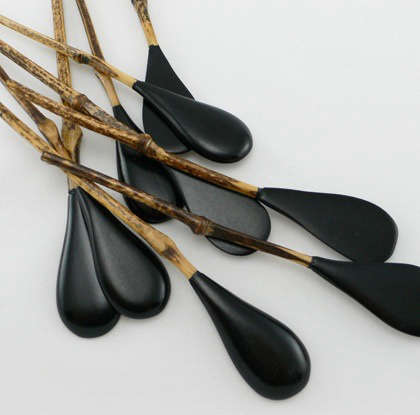
Some kitchen tools are purely practical. They stir, scoop, clink around a bowl, and then disappear into a drawer like they are late for another meeting. Urushi bamboo spoons are different. They still do the useful stuff, of course, but they also bring a little ceremony to the table. Even oatmeal feels slightly promoted when it is eaten with one.
If you are new to the term, urushi bamboo spoons combine two materials with a lot of character. Bamboo brings lightness, strength, and a naturally warm feel in the hand. Urushi, the traditional lacquer associated with Japanese lacquerware, adds a smooth finish, visual depth, and a sense of craftsmanship that mass-market flatware rarely delivers. Together, they create a spoon that feels less like a throwaway utensil and more like an object you actually notice.
That is a big part of the appeal. In a world packed with disposable kitchen gear, an urushi bamboo spoon feels intentional. It is quiet against a bowl, comfortable on the lips, attractive on an open shelf, and surprisingly versatile. It can move from miso soup to congee, from yogurt to shaved ice, and from weekday lunch to gift-worthy dinner table with very little fuss. Not bad for something that looks modest at first glance.
This guide explains what urushi bamboo spoons are, why people love them, what makes them different from ordinary bamboo utensils, how to choose a good one, and how to care for it so it does not end up looking like it survived a dishwasher uprising. If you have been curious about these spoons, or you are trying to decide whether they are worth the extra money, you are in the right place.
What Are Urushi Bamboo Spoons?
An urushi bamboo spoon is a bamboo spoon finished with urushi lacquer, a traditional natural coating used for centuries in East Asian lacquerware. The spoon itself is usually carved or shaped from bamboo, then coated in thin layers of lacquer that are allowed to cure over time. The result is a utensil that feels smoother, looks richer, and often lasts longer than unfinished bamboo cutlery.
That finish is the real star. Plain bamboo utensils can be lovely, but they often look dry, fade with hard use, or feel a bit rough over time. Urushi changes that. It creates a surface that can look glossy, satin, or softly matte depending on the maker and style. In many pieces, the charm lies in the subtlety: a deep black, warm red-brown, honey tone, or translucent finish that lets the bamboo’s character still peek through.
It also helps to understand the materials. Bamboo is not actually a tree. It is a grass, and a famously fast-growing one at that. That fact is one reason bamboo utensils are often marketed as a more sustainable choice than some hardwood options. The sustainability story still depends on harvesting, manufacturing, shipping, and finishing methods, but bamboo’s quick growth does make it attractive as a renewable material.
Urushi, meanwhile, belongs to a much older craft tradition. It is associated with lacquerware that has been valued not just for beauty, but also for function. That is why the words Japanese lacquer spoon, urushi spoon, and lacquered bamboo spoon often show up in the same conversation. These are small tools connected to a very big design history.
Why Urushi Bamboo Spoons Stand Out
They feel warm instead of cold
Metal spoons can feel clinical, especially with softer foods or warm broths. Bamboo has a gentler feel. Add urushi, and the surface becomes even smoother and more pleasant in the mouth. It is a small difference, but one you notice fast. That is why people who love rice porridge, soups, desserts, and tea snacks often become unexpectedly loyal to these spoons.
They are lightweight but not flimsy
A well-made bamboo spoon is light without feeling cheap. That makes it comfortable for everyday use, and also nice for children, older adults, or anyone who simply prefers utensils that do not feel like tiny dumbbells. The best ones have a balanced shape that feels easy in the hand rather than awkwardly featherweight.
They are quiet on bowls and cookware
There is no metallic clatter when the spoon taps a ceramic bowl. This may sound like a tiny issue, but it matters more than people think. Morning oatmeal is somehow less dramatic when your spoon is not announcing every stir like a percussion solo.
They make ordinary meals look better
This is where urushi bamboo spoons quietly win. They make casual meals look thoughtful. A simple bowl of soup, a scoop of rice, or a dish of fruit feels more composed when paired with a spoon that has color, sheen, and texture. They are functional, but they also carry the visual elegance of handcrafted tableware.
The Craft Behind the Spoon
The beauty of these spoons comes from the marriage of form and finish. First, the spoon has to be shaped well. A good bamboo spoon is not just a random oval on a stick. The bowl depth, handle length, curve, and lip thickness all affect how it works. A shallow spoon may be better for sauces or desserts. A deeper one works well for soup or rice. The best makers understand that comfort is part of design.
Then comes the lacquer. Traditional urushi finishing is known for patience. The coating is not rushed on in one thick layer. Instead, it is built slowly in thin applications, allowing time for curing between coats. In some lacquer traditions, the number of coats can become impressively high, especially in fine decorative work. That is one reason authentic lacquerware is respected: it is labor-intensive, detail-driven, and stubbornly uninterested in shortcuts.
This helps explain the price gap between a bargain-bin bamboo spoon and a handmade urushi bamboo spoon. You are not just paying for material. You are paying for shaping, finishing, drying time, handwork, and craft knowledge. In other words, the spoon costs more because somebody actually cared while making it. Radical concept, I know.
Another point worth noting is that raw urushi is part of a demanding craft process. The lacquer itself is associated with the same botanical family as poison ivy, which is one reason lacquer work requires skill and caution during production. For buyers, that means it is smart to purchase from reputable makers or trusted shops rather than treating traditional urushi like a casual weekend DIY experiment.
How to Use Urushi Bamboo Spoons in Everyday Life
One of the nicest things about these spoons is that they are not precious in the annoying sense. Yes, they deserve proper care. No, they are not only for display. In fact, the most appealing urushi bamboo spoons are the ones that get used regularly and naturally.
They are especially good for foods where texture matters. Think miso soup, ramen broth, congee, rice pudding, yogurt, ice cream, tofu desserts, soft scrambled eggs, beans, and small grain bowls. They are also lovely for serving condiments, jam, sugar, and sauces, especially if you are the sort of person who wants even your condiment spoon to have a little style.
For hosts, these spoons work beautifully in place settings that mix ceramic, wood, and linen. They soften the whole table visually. For solo meals, they add pleasure without adding work. And for gifts, they hit a sweet spot: useful, handsome, distinctive, and just uncommon enough to feel special.
They also pair well with other natural materials. Stoneware bowls, wooden trays, woven placemats, and muted textiles all tend to flatter the spoon rather than fight with it. If your kitchen aesthetic leans minimalist, rustic, Japandi, or simply “I would like my countertop to look less chaotic,” urushi bamboo spoons fit right in.
How to Choose the Right Urushi Bamboo Spoon
Start with the intended use
Not every spoon is an all-purpose spoon. A long-handled spoon is great for parfaits or deep mugs. A broader bowl suits soup. A smaller spoon may be better for condiments, desserts, or tea service. Buying by appearance alone is how you end up with a very beautiful spoon that somehow cannot do the one thing you wanted.
Look at the finish closely
A good finish should look even, intentional, and pleasant to the touch. Some spoons have a rich glossy lacquer, while others lean matte or satin. Neither is automatically better. It depends on your taste. What matters is that the surface feels smooth and well-finished, not gummy, streaky, or rough around the edges.
Check the handle and lip
The spoon should feel comfortable when lifted. The lip should not be bulky, and the handle should not feel too square or too thin. This is one of those products where ergonomics quietly determine whether you use it every day or forget about it in a week.
Buy from a reputable seller
Because urushi lacquerware sits at the crossroads of craft, design, and kitchenware, quality varies. Product descriptions that clearly explain materials, use, care, and origin are a good sign. So is a seller that treats the spoon as tableware rather than as a vague “Asian style decorative item.” That wording alone can tell you a lot.
How to Care for Urushi Bamboo Spoons
Here is the practical part. Urushi bamboo spoons are easy to live with, but they are not dishwasher daredevils. Hand-washing is the safe move. Use mild dish soap, rinse gently, dry with a towel, and let the spoon finish air-drying before you put it away.
Do not leave it soaking in water for long periods. Do not scrub it with harsh abrasives. Do not treat it like a cheap cafeteria spoon that can survive anything short of a meteor strike. Wood and bamboo utensils last longer when they are washed by hand and dried properly, and that advice matters even more when a lacquered finish is part of the equation.
If the spoon begins to look dull over time, follow the maker’s care instructions first. Some owners of wooden utensils use food-safe conditioning products on unfinished wood, but with urushi-coated pieces, the finish itself is already doing important work. The goal is preservation, not improvisation.
Storage matters too. Keep the spoons somewhere dry and clean. Do not jam them into a crowded drawer where they scrape against metal tools all day. A utensil crock, divided drawer, or dedicated tray is a much kinder long-term home.
Are Urushi Bamboo Spoons Worth It?
For many people, yes. They are not the cheapest utensils in the world, and they are not meant to be. What you get in return is a better everyday experience: warmer texture, quieter use, visual beauty, and the satisfaction of owning something made with more thought than the average big-box kitchen gadget.
They also age differently from cheap utensils. A good urushi bamboo spoon can become part of a daily rhythm rather than a temporary purchase. If you enjoy handcrafted objects, appreciate natural materials, or simply want your kitchen tools to feel a bit less disposable, these spoons make a convincing case for themselves.
That said, they are not for everyone. If you want utensils you can toss into the dishwasher with zero concern, stainless steel or silicone may fit your lifestyle better. But if you enjoy slower, better-made objects and do not mind thirty extra seconds of hand-washing, urushi bamboo spoons are a delightfully sensible luxury.
Experiences With Urushi Bamboo Spoons: What They Add to Daily Life
The experience of using an urushi bamboo spoon is not flashy. It is subtle in the way a well-made mug is subtle, or a favorite chair, or the one pen you always reach for even though the drawer is full of other pens that technically also work. At first, you notice the appearance. The lacquer catches the light differently than plain bamboo, and the color has depth rather than flatness. Then you use it a few times and realize the real pleasure is tactile. It feels smooth without being slippery, light without being flimsy, and warm without trying too hard to be “natural.” It just is.
Breakfast is usually where people fall for it. A metal spoon in yogurt or oatmeal does the job. An urushi bamboo spoon somehow makes the meal feel calmer. The contact with the bowl is softer. The spoon does not clang. The handle does not feel icy first thing in the morning. It sounds like a tiny detail, and it is, but tiny details are often the whole point of a nicer tableware routine.
Soup is another moment where the spoon earns its keep. Warm broth, congee, chowder, or even a simple lentil soup feels more comfortable with a spoon that does not shock the lips with cold metal. The lacquered surface also brings a visual richness that plays especially well with ceramic bowls. A deep black or reddish-brown spoon against pale porridge or golden soup looks beautiful without looking fussy. It is one of those combinations that makes a home meal feel just a little more considered.
There is also an emotional side to these spoons. Because they require hand care, people tend to treat them with a little more attention. You wash them gently. You dry them properly. You put them back where they belong. That small ritual can be oddly satisfying. Instead of kitchen tools being anonymous objects you use and forget, they become things you maintain and enjoy. Not every utensil deserves a fan club, but this one gets closer than most.
They also make memorable gifts. An urushi bamboo spoon has that rare quality of being both practical and charming. It feels appropriate for a tea lover, a soup enthusiast, a design-minded friend, or someone setting up a first serious kitchen. It is not giant, expensive furniture. It is not another scented candle that may or may not smell like a respectable forest. It is useful, beautiful, and likely to be picked up often enough to remind the person who gave it.
Over time, the best experience is not dramatic at all. The spoon simply becomes part of the household. It is the one you choose for dessert, for rice, for broth, for a quiet snack at night. Guests notice it. You notice when it is missing from the drawer. And that may be the clearest sign of quality: it becomes ordinary in the best possible way. Not boring. Essential.
Conclusion
Urushi bamboo spoons sit in a sweet spot between useful kitchen tool and small work of craft. They combine the lightness of bamboo with the depth and elegance of urushi lacquer, creating utensils that feel warm, look refined, and fit beautifully into daily life. They are not meant to be abused, but they are absolutely meant to be used. With sensible care and a good eye when buying, they can turn simple meals into slightly better moments, which is a pretty solid return for a spoon.