Note: Clean body-only HTML for direct publishing. Stray citation artifacts have been removed.
If roads could win awards for pure drama, the Tateyama Kurobe Alpine Route would already have a trophy case, a gift shop, and a documentary narrated in a very serious voice. This spectacular route through Japan’s Northern Alps is often called the “Roof of Japan,” and once you see it, the nickname stops sounding like travel-brochure poetry and starts sounding like a plain statement of fact. It is high, it is huge, and in spring it looks like somebody took a normal mountain road and tucked it neatly between skyscraper-sized walls of snow.
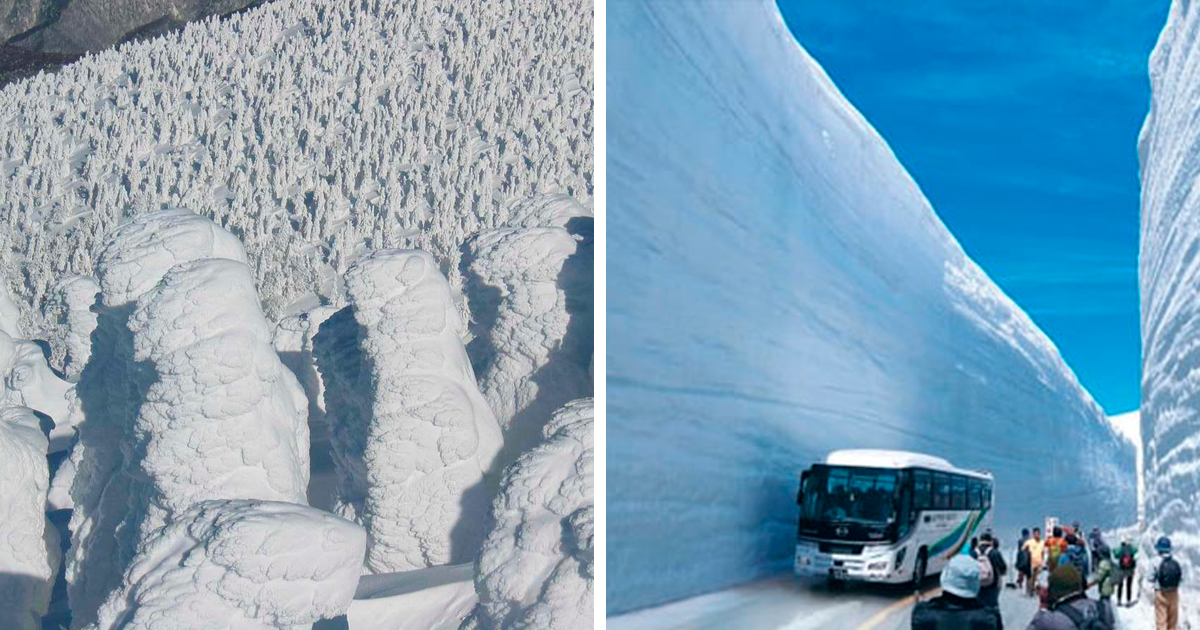
The famous section people lose their minds over is Yuki no Otani, the Snow Corridor near Murodo. Here, snow can be carved into towering walls that make buses look like toy props and humans look like confused breadcrumbs. Depending on the year, those walls can reach astonishing heights, creating one of the most surreal road experiences on the planet. Whether you want to call it the snowiest road in the world, the most theatrical commute on Earth, or proof that nature enjoys showing off, one thing is clear: this place is ridiculous in the best possible way.
But the route is more than one photogenic corridor. The Tateyama Kurobe Alpine Route is a full mountain crossing packed with ropeways, cable cars, electric buses, volcanic landscapes, mirror-like alpine ponds, and the mighty Kurobe Dam. It is part sightseeing trip, part engineering flex, and part reminder that Japan has mastered the art of turning intimidating geography into unforgettable tourism. If your dream vacation includes crisp mountain air, scenery that looks AI-generated even though it is very much real, and the thrilling realization that your city jacket is hilariously underprepared, welcome aboard.
What Exactly Is the “Roof of Japan”?
The Tateyama Kurobe Alpine Route stretches across the Northern Japan Alps, linking Toyama Prefecture on one side and Nagano Prefecture on the other. It is not just one road in the ordinary sense. It is a mountain sightseeing route that spans more than 37 kilometers and climbs through an elevation difference of nearly 2,000 meters. In practical terms, that means the scenery changes fast, the air gets brisk, and your camera roll becomes an overachiever.
The route is called the “Roof of Japan” because it threads through some seriously elevated country. Peaks above 3,000 meters rise around it, and the highland hub at Murodo sits at about 2,450 meters above sea level. That altitude matters. It is one reason the area collects epic quantities of snow, and it is also why the whole trip feels like a shortcut into another layer of the atmosphere. This is not the cozy, postcard version of Japan with lantern-lit alleyways and little bowls of ramen steaming politely in the corner. This is big, wild, vertical Japan.
And unlike a standard road trip where you grip the steering wheel and argue about snacks, the Alpine Route is designed as a multimodal journey. Travelers move through the mountains using a parade of transportation options including trains, cable cars, ropeways, and buses. The result is less “Are we there yet?” and more “Wait, now we’re floating over a canyon?”
Why This Place Gets Buried in So Much Snow
The magic starts with meteorology, which is a fancy way of saying the weather here has commitment. In winter, cold air flows from the Asian continent across the Sea of Japan, picks up moisture, and then slams into Japan’s mountains. When that air is forced upward, it dumps tremendous amounts of snow. In other words, nature runs a very efficient snow-delivery service, and the Japanese Alps are on the premium plan.
That pattern helps make western and central Japan some of the snowiest terrain on Earth. High elevations around Tateyama magnify the effect, allowing snow to pile up into immense drifts over the winter months. By the time spring approaches, parts of the route are buried so deeply that the road itself disappears beneath layers of white. Not hidden. Not lightly dusted. Fully erased, like winter used the delete key.
That is why the spring opening of the route feels less like flipping an “open” sign and more like an annual excavation project. Crews begin clearing the snow well before travelers arrive, gradually cutting through the accumulation until a passable corridor emerges. And that corridor, because Japan refuses to do anything halfway, becomes one of the country’s most famous seasonal attractions.
Meet Yuki no Otani, the Snow Corridor That Steals the Show
Yuki no Otani is the main character here, and frankly, it knows it. Near Murodo, a section of the route is transformed into a snow corridor roughly 500 meters long, with snow walls that can rise up to 20 meters in especially generous years. Standing inside it feels like wandering through a canyon carved from winter itself. The walls are bright, compact, and strangely architectural, as if nature briefly hired a minimalist designer.
This is the image most people associate with the Tateyama Kurobe Alpine Route: buses creeping between massive snow barriers, bundled-up visitors staring upward, and blue spring skies making the white walls look even taller. It is one of those travel scenes that sounds exaggerated until you actually see the scale. Then your brain goes, “Oh, okay, so we’re doing fantasy-novel scenery now.”
The Snow Corridor is usually open from mid-April to mid-June, making spring the most iconic time to visit. That said, the walls change from year to year depending on snowfall. Some years produce towering, jaw-dropping walls; other years are slightly more modest. But even the “modest” years still look like winter forgot to leave the premises.
The Route Is More Than a Snow Wall
It would be easy for Yuki no Otani to hog all the attention, but the Alpine Route is packed with other highlights that deserve their own applause. One of the biggest is Kurobe Dam, the tallest dam in Japan. It is a monumental piece of engineering set in dramatic mountain scenery, which is exactly the kind of combination that makes travelers take 47 nearly identical photos and insist each one is different.
There is also Jigokudani, or “Hell Valley,” a volcanic area where steam rises from the earth and the landscape looks as if the mountain is keeping a few secrets. Then there is Mikurigaike Pond, which can reflect the surrounding peaks so perfectly it seems almost rude. In summer, alpine flowers soften the scenery. In autumn, the slopes ignite with color. The same route that looks like a frozen fortress in spring becomes lush, green, and gentle later in the year.
That seasonal range is a big part of the appeal. The Alpine Route is not a one-trick destination. It is a place where the same mountains can play different roles throughout the year: icy giant, hiking paradise, foliage superstar, and engineering showcase.
The Human Engineering Behind the Snow Spectacle
One of the most impressive parts of the story is that this wonder is not simply “there” waiting with perfect timing. It is revealed through careful seasonal work. Snow-clearing teams begin in early spring using heavy machinery to locate and reopen sections of the buried route. In deeper areas, specialized bulldozers and rotary blowers help carve the pass back out of the accumulated snow.
That means the famous walls are not random roadside leftovers. They are the visible result of precise seasonal operations in harsh alpine conditions. The whole thing is a beautiful collaboration between geography and grit. Nature builds the monument. Humans cut the doorway.
And that combination may be why the Tateyama Kurobe Alpine Route feels so memorable. It is not just pretty. It is dramatic, difficult, and deeply intentional. Visitors are not merely admiring a snowy mountain. They are witnessing how a country learned to navigate, respect, and celebrate an extreme landscape without flattening its character.
When to Go and What to Expect
Spring: For the Famous Snow Walls
Spring is prime time for travelers who want the headline experience. The route generally opens in mid-April, and the Snow Corridor is the biggest draw through mid-June. This is when you get the towering walls, wintry air, and that glorious feeling of telling friends, “Yes, I walked between giant snow cliffs in Japan, thanks for asking.”
Summer: For Hiking and Alpine Views
Summer swaps snow drama for open trails, green plateaus, wildflowers, and clearer trekking opportunities. If you like the mountains but prefer not to feel like a misplaced penguin, summer may be your season.
Autumn: For Fiery Foliage
Autumn brings brilliant color to the slopes and valleys. The route becomes a rolling panorama of gold, orange, and red, proving that even after the snow walls are gone, Tateyama still knows how to make an entrance.
Practical Tips Before You Go
First, dress for the mountains, not for the city you woke up in. Even during the snow-wall season, lower elevations may feel mild while Murodo can remain sharply cold. Layers are your friend. So are gloves, sunglasses, and sunscreen. Bright snow reflects sunlight with a level of enthusiasm that can leave visitors both chilly and sunburned, which is a rude combo.
Second, plan ahead. The route is popular, and timing matters. Many visitors cross from one side to the other in a single day, but slower travelers often prefer to build in extra time for walking, photography, and stops at key viewpoints. Starting early helps, especially during busy spring dates.
Third, remember that this is a sightseeing route, not a casual neighborhood drive. The experience is structured around transfers between transport modes, and that is part of the charm. Do not rush it. The point is not simply to get through the mountains. The point is to let the mountains show off.
Why This Place Keeps Capturing People’s Imagination
There are snow destinations all over the world, but the Tateyama Kurobe Alpine Route occupies a special niche because it feels both natural and cinematic. It gives you the raw scale of alpine weather, the precision of Japanese infrastructure, and the kind of visual payoff normally reserved for fantasy films and desktop wallpapers nobody believes are real.
It also scratches several travel itches at once. It is good for scenery lovers, engineering nerds, photographers, hikers, seasonal travelers, and anyone whose personal vacation criteria include the phrase “I would like to feel tiny in a majestic way.” The route is impressive not because it is polished into artificial perfection, but because it lets the landscape stay huge and strange while still making it accessible.
That is the real genius of the “Roof of Japan.” It does not tame the mountain. It invites you into it.
Experience Section: What It Feels Like to Visit the Roof of Japan
You arrive expecting snow, of course. You have seen the photos, watched the reels, maybe even sent one to a friend with the deeply intelligent caption, “This looks fake.” But stepping onto the Tateyama Kurobe Alpine Route is a different experience altogether because the scale refuses to stay inside your phone. The cold hits first. Then the brightness. Then the strange silence that snow can create, where everything feels both crisp and hushed, like the mountain has lowered its voice so you will pay attention.
At Murodo, the air feels thinner, cleaner, and a little theatrical. The snow walls rise beside you with the confidence of office towers, except these towers are temporary, carved fresh from the season’s leftovers. You walk beside them and instinctively tilt your head back farther than expected. They are not merely high. They are absurdly high. The path makes you feel tiny, but not in a depressing, taxes-due kind of way. Tiny in a thrilling, cinematic, maybe-I-should-buy-better-boots kind of way.
There is also a sense of movement to the entire journey. You are not planted in one scenic overlook. You are always transitioning: from station to bus, from bus to ropeway, from ropeway to another viewpoint that somehow looks even more dramatic than the last one. It feels almost curated by a very ambitious mountain. One minute you are enclosed by snow. The next you are looking across a vast alpine landscape with peaks layered in the distance like they were painted on purpose.
What surprises many travelers is how emotional the route can feel. It is not just beautiful. It is oddly humbling. You start thinking about the winter that made these walls, the crews who reopened the route, and the long tradition of people crossing difficult terrain because mountains, for all their attitude, keep calling us back. Even the engineered parts of the journey never feel disconnected from the land. They feel like respectful ways of saying, “We know this place is stronger than us, but we would still like a look.”
And then there are the little sensory details that stick. The squeak of snow under boots. The way sunlight ricochets off white surfaces. The sight of a bus sliding through a corridor that looks impossible. The snap of cold air on your face when you take your gloves off for one heroic photo and immediately regret your choices. Travel memories are often built from tiny moments, and Tateyama delivers those in bulk.
By the time you leave, the route has done something clever: it has made the journey itself feel like the destination. Not just the snow wall. Not just the dam. Not just the views. The whole unfolding sequence becomes the memory. That is what makes the “Roof of Japan” more than a viral travel image. It is an experience with rhythm, scale, and a little bit of swagger. It knows exactly how impressive it is, and honestly, it has earned the confidence.
Conclusion
The Tateyama Kurobe Alpine Route is one of those rare places that lives up to the hype and then casually piles another ten meters of snow on top of it. It is dramatic without being gimmicky, famous without feeling overrated, and beautiful in a way that keeps shifting as you move through it. The “Roof of Japan” is not just a nickname. It is a promise of altitude, spectacle, and perspective.
If you are chasing one of the most unforgettable mountain journeys in Japan, this is it. Come for the Snow Corridor, stay for the engineering, the alpine scenery, the volcanic moodiness, and the quiet realization that some roads are not really roads at all. They are experiences with guardrails.