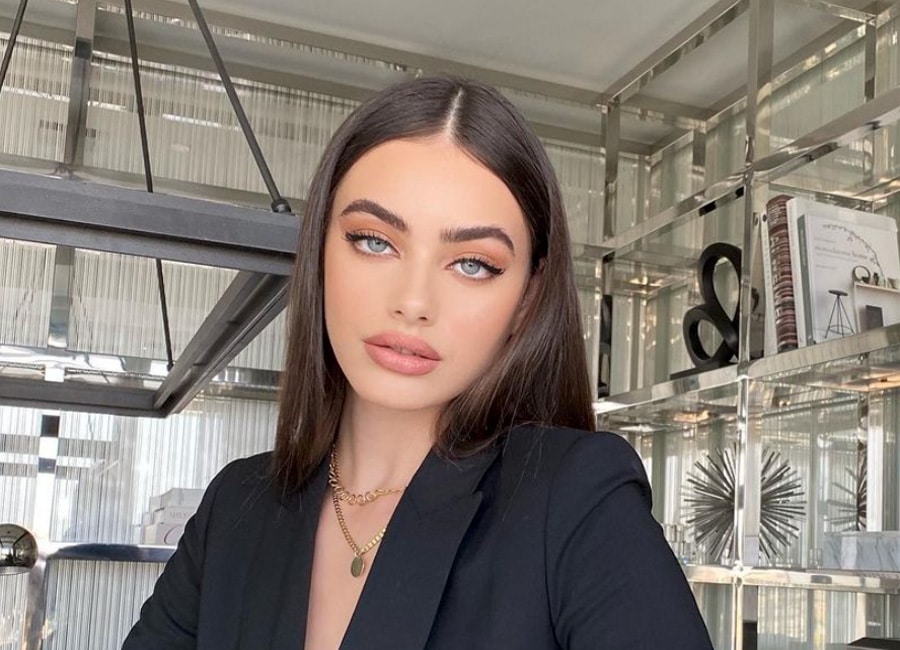
Beauty standards are a little like a group project nobody agreed to join: they show up everyer seems to sleep. The result is not simply an interest in style. It can become the feeling that appearance is a report card.
A healthier conversation separates beauty from worth. People can enjoy lipstick, braids, fashion, fitness, skin care, or a dramatic pair of boots without treating any of them as admission tickets to respect. This article explores how women’s and girls’ beauty standards are formed, why modern pressure feels so personal, and how to make the definition of beautiful broad enough to include actual human beings.
What Are Beauty Standards, Really?
Beauty standards are the shared, often unspoken rules a culture uses to decide which faces, bodies, hair textures, skin tones, ages, and styles receive extra praise. In the United States, those rules have shifted repeatedly: one era prized a tiny waist, another celebrated a sporty silhouette, and another promoted “effortless” beauty that somehow required an entire bathroom shelf. The details change. The pressure to be judged by appearance has proved stubborn.
It is more accurate to speak of beauty standards in the plural. Ideals vary across communities, generations, religions, regions, and social circles. They are also shaped by power: whose features are treated as polished, professional, youthful, glamorous, or “normal” is never a neutral question.
For many girls, the lesson begins early. Compliments may focus more on being “pretty” than being curious, brave, funny, inventive, or kind. Praise for appearance is not automatically harmful. The issue is imbalance. When looks become the loudest compliment in the room, a girl can start to believe they are the most valuable thing she brings to it.
Why Beauty Pressure Feels Different Now
The Mirror Has an Audience
Earlier generations faced magazines, television, and celebrity culture. Today, girls and women also face a stream of peers, influencers, advertisers, filters, comments, rankings, and before-and-after videos. The modern beauty standard is interactive. It does not only say, “Look at this image.” It asks, “Post your own, then wait to see how strangers score it.”
A photo can be taken, edited, retaken, judged, and compared in minutes. Filters can smooth skin, reshape facial features, brighten eyes, alter lighting, and make an ordinary face look red-carpet ready. When edited images are presented as casual reality, the comparison becomes unfair before it begins.
Algorithms Do Not Understand “Enough”
Recommendation systems learn from attention, not wisdom. A user who pauses over one “glow-up” video may be offered more appearance content, then more products, then more advice about problems she had not considered problems five minutes earlier. Every beauty video is not harmful, and every platform is not an enemy. Still, insecurity can be very clickable.
Social media can also offer creative inspiration, supportive communities, diverse role models, and honest conversations about acne, disability, natural hair, postpartum bodies, aging, and identity. The useful question is not whether the internet is “good” or “bad.” It is whether a feed leaves someone more informed, connected, and like herselfor constantly under inspection.
The Double Standards Women and Girls Carry
Women are often asked to perform a contradiction: look youthful but mature, polished but natural, slim but not “too thin,” fit but not intimidating, stylish but not “trying too hard,” and confident but never vain. It is a lengthy checklist for a body originally designed to breathe, move, heal, laugh, and carry groceries.
Girls can feel these contradictions while their bodies are changing rapidly and unevenly. Acne, body hair, braces, height changes, new curves, and shifting skin are ordinary parts of development, not personal failures. Yet beauty marketing often frames normal variation as a crisis with a discount code.
Pressure is not distributed evenly. Racialized and Eurocentric ideals, colorism, hair-based expectations, size bias, age bias, disability stigma, and gender stereotypes influence who gets treated as “put together.” Broadening beauty standards is therefore not only about feeling better in a mirror. It is also about fairness, dignity, and belonging.
When Appearance Concerns Become a Health Concern
Body image is not vanity. It is the mix of thoughts and feelings people have about their appearance and the value they attach to it. A negative body image can affect confidence, social participation, mood, and everyday choices. It may also overlap with serious health concerns, including disordered eating or anxiety, which deserve support rather than jokes or praise for “discipline.”
Adults should pay attention when a young person’s appearance worries interfere with meals, sleep, school, friendships, sports, or the ability to leave the house comfortably. A calm conversation with a parent, school counselor, pediatrician, dermatologist, or mental-health professional can be a strong first step. Help is appropriate whenever pressure is making life smaller.
At the same time, not every interest in makeup, fashion, or fitness is a warning sign. Personal style can be creative, cultural, playful, or meaningful. The goal is autonomy: choosing a look because it feels expressive, not because fear says there is only one acceptable way to be seen.
How to Build a Healthier Beauty Culture
For Girls and Women: Practice a Better Comparison
Try a simple check after scrolling: “Do I feel inspired, informed, connected, or criticized?” Unfollow or mute accounts that consistently leave you feeling inadequate. Seek creators who show a variety of ages, bodies, skin conditions, hair textures, and abilities. A balanced feed is not a magic spell, but it is a better mental neighborhood.
Use media literacy, too. Ask who made an image, whether it is sponsored, what may have been edited, and what it is trying to sell. A glossy image is not proof that someone is happier, healthier, kinder, or more successful. It is proof that a camera, lighting, styling, and perhaps several apps had a busy afternoon.
For Parents, Caregivers, and Teachers: Change the Everyday Language
Compliment effort, humor, imagination, reliability, courage, and problem-solving as often as appearance. Avoid casual body criticism and treating food as a moral test. When discussing health, focus on energy, strength, sleep, nourishment, and medical guidance. Shame is loud, but it is a terrible coach.
Adults can model boundaries. Let children see you enjoy getting dressed without declaring war on your own body in front of the mirror. Discuss filters, advertising, and beauty trends openly. An honest “What do you think this post is selling?” can teach more than a lecture.
For Brands, Platforms, and Employers: Stop Selling Insecurity as a Lifestyle
Companies can use wider representation, clear disclosure around heavily altered images, age-appropriate marketing, and safer defaults for young users. Beauty brands do not need to abandon glamour. They do need to stop implying that pores, texture, freckles, scars, aging, or a changing body are character flaws.
Employers and schools should examine appearance expectations for double standards and cultural bias. Professionalism should describe how people do their jobs, not demand that everyone resemble one narrow template.
Beauty Can Be a Choice, Not a Cage
The strongest response to restrictive beauty standards is not to ban beauty or pretend appearance never matters. It is to put beauty in its proper place: one form of expression among many, not a measure of intelligence, health, morality, or potential. A person may love contouring, bare skin, vintage dresses, sneakers, bold lipstick, or none of the above. The meaningful question is whether the choice feels free.
For girls especially, the message should be clear: your face and body are not public property, unfinished homework, or a trend report. Confidence is not waking up convinced you look perfect. It is knowing that an imperfect hair day does not cancel your ideas, friendships, future, or right to take up space.
Everyday Experiences: How Beauty Standards Show Up in Real Life
The following examples are composite scenarios based on common experiences discussed in research and public-health guidance. They are not quotations from identifiable individuals.
Photo Day and the First Tiny Critic
A middle-school student is excited for picture day until a classmate says everyone needs to stand a certain way to “look thinner.” Suddenly, the event stops being about friends and becomes a lesson in posing. She begins inspecting every preview, not because she was unhappy when she woke up, but because someone handed her a new rule. A supportive teacher can interrupt that moment by redirecting the conversation: photos are records of a day, not auditions. One awkward angle has no authority over a person’s value.
The Family Gathering Comment
At a holiday meal, a teenager hears relatives comment on who has “grown up beautifully,” who should change their hair, and who might want to “watch what they eat.” The comments may be intended as concern or small talk. Still, they can teach a girl that arriving at a family table means being evaluated before she has even picked up a plate. A parent or older sibling can respond without turning dinner into a courtroom: “We’re keeping body comments off the menu today.” Families do not have to agree about every fashion choice to agree that nobody’s body should become public conversation.
The Skin-Care Aisle Spiral
A high-school student sees a popular multistep routine and decides her gentle cleanser is no longer enough. Each new product promises a brighter, smoother version of herself, even though she is already a teenager and does not need a time machine. After a few weeks, her skin feels irritated and she feels embarrassed for not getting the advertised result. The better lesson is not “never care about skin.” It is that skin care should be simple, safe, and responsive to an individual’s needs. A dermatologist can help with persistent acne or irritation; an algorithm cannot write a personalized care plan through a screen.
The Workplace “Polished” Test
A young woman begins an internship and notices that compliments about her work are often followed by comments about appearing “more polished.” The advice is vague. Does it mean clearer presentations, or more makeup, straighter hair, a different body, or a pricier wardrobe? Because the word is fuzzy, she spends energy decoding it instead of learning the job. Good managers make expectations specific and job-related: punctuality, communication, safety, preparation, and teamwork. They do not hide personal taste inside professional feedback.
Reclaiming the Mirror
Another girl changes the way she uses her phone. She keeps creators who teach hair styling because she enjoys it, unfollows accounts that make her feel measured, and starts noticing how often posts are advertisements. She also joins an activity where people care more about showing up, learning, and laughing than capturing the perfect image. Her insecurities do not vanish overnight; real life is not a makeover montage with a convenient soundtrack. But the mirror slowly becomes less like a courtroom and more like a mirror. That is progress: not mandatory self-love every second, but more room to live without appearance being the loudest voice in the room.
Conclusion: Make the Standard Bigger Than a Standard
Women’s and girls’ beauty standards are not created by one app, one magazine, or one careless comment. They are a web of messages about who deserves attention, respect, and belonging. That is why change can happen in many places: classrooms, family conversations, feeds, fitting rooms, offices, and the language people use about themselves.
A better beauty culture does not demand that everyone love every feature every day. It asks something more realistic and humane: let people be seen as whole people. Beauty can be fun. Style can be art. Skin care can be care. But no one should have to earn basic dignity by looking like an edited image that was never real in the first place.