Medical note: This guide is for general education only. Diabetes care is personal, and Passover observance can involve religious, cultural, medical, and family considerations. Before changing medication, insulin timing, fasting habits, alcohol intake, or carbohydrate goals, speak with your diabetes care team. For religious questions about matzah, wine, grape juice, or required portions, consult a rabbi who understands your health needs.
Passover is a holiday of memory, meaning, family, storytelling, andlet’s be honestfood that seems to arrive in waves like the Red Sea forgot to part and became a buffet instead. For people living with diabetes, the Seder table can feel both beautiful and intimidating. There is matzah, wine or grape juice, potatoes, kugel, brisket, desserts made with enough potato starch to build a small guest room, and relatives who lovingly insist, “Just have one more bite.”
The good news: managing diabetes during Passover does not mean sitting sadly in the corner with a cucumber while everyone else celebrates. It means planning ahead, knowing the carbohydrate-heavy foods, balancing your plate, checking blood sugar when needed, and giving yourself permission to enjoy the holiday without turning it into a glucose guessing game.
This guide walks you through practical, diabetes-friendly Passover strategies: how to handle matzah, wine, Seder timing, traditional foods, desserts, snacks, and the emotional side of holiday eating. Think of it as your Passover survival planwith fewer plagues and more fiber.
Why Passover Can Be Tricky for Blood Sugar
Passover changes the usual food routine. Many people avoid chametz, which means bread, pasta, and many familiar grain products are off the table. In their place come matzah, potatoes, potato starch, cakes made without flour, sweet wine, grape juice, fruit compotes, and holiday meals that may start later than usual. For someone with diabetes, those changes matter because carbohydrates have the biggest effect on blood glucose.
Another challenge is timing. The Seder often begins after sundown, and the meal may not happen until well into the evening. If you take insulin or medications that can lower blood sugar, a long gap between meals may increase the risk of hypoglycemia. Then, when the main meal finally arrives, hunger may lead to overeating. That combinationdelayed eating followed by a large mealis not exactly a spa day for blood sugar.
Alcohol adds another layer. Wine is part of the Seder tradition, but alcohol can contribute to delayed low blood sugar in some people, especially those taking insulin or medications that increase insulin production. Grape juice, while alcohol-free, can be high in sugar and carbohydrates. Neither choice is “bad,” but both require awareness.
Start With a Passover Diabetes Plan
The most helpful thing you can do before Passover is make decisions before you are seated at the table, hungry, surrounded by delicious smells, and being offered three kinds of kugel. A good plan removes the need to negotiate with yourself while holding a serving spoon.
Talk to Your Diabetes Care Team Early
If your Passover observance will involve changes in meal timing, alcohol, fasting, extra carbohydrates, or unusual eating patterns, ask your doctor, certified diabetes care and education specialist, or registered dietitian about medication adjustments. This is especially important if you use insulin, sulfonylureas, or other medications that may cause low blood sugar.
Ask practical questions: Should I adjust my insulin-to-carb ratio for a late meal? What should I do if the Seder runs long? How should I handle wine or grape juice? When should I check my blood sugar? What is my low blood sugar treatment plan during the holiday?
Speak With Your Rabbi When Needed
Passover includes religious obligations around matzah and wine, but health is also a serious matter in Jewish law. Some people with diabetes may need smaller portions, alternatives, diluted grape juice, or other accommodations. A rabbi who understands both halachic concerns and diabetes realities can help you find a path that respects the holiday and protects your health.
The Matzah Question: Small Cracker, Big Carb Energy
Matzah may look harmlessthin, crisp, humblebut nutritionally, it can carry a concentrated carbohydrate load. One standard piece may contain roughly the amount of carbohydrate you would expect from a serving of starch, and it is easy to eat more than one piece without noticing. Matzah is also usually low in fiber unless you choose whole wheat varieties, so it may raise blood sugar faster than you expect.
That does not mean matzah is off-limits. It means matzah should be counted. If you count carbohydrates, read the package label carefully, weigh or measure portions when possible, and include every required serving in your meal plan. If you do not count carbs formally, treat matzah like the starch portion of your plate, not like a free crunchy sidekick.
Smart Matzah Tips for Diabetes
Choose whole wheat matzah if it fits your tradition and dietary needs, because the extra fiber may help slow digestion. Pair matzah with protein and healthy fat, such as eggs, fish, chicken, avocado, or nuts, rather than eating it alone. Avoid grazing on broken pieces throughout the evening; matzah crumbs are tiny, but your glucose meter is not fooled by crumbs.
If you make matzah brei, consider a savory version with eggs and vegetables instead of a sweet version loaded with sugar or syrup. If you use matzah meal in recipes, remember that crushed matzah is still matzah. It did not become carb-free just because it entered a casserole wearing a new outfit.
Wine, Grape Juice, and the Four Cups
Wine and grape juice are central to the Passover Seder, but they can affect blood sugar differently. Dry wine generally contains fewer carbohydrates than sweet wine or grape juice, but alcohol can increase the risk of low blood sugar later, particularly for people who use insulin or certain diabetes medications. Grape juice avoids alcohol but can deliver a quick sugar load.
If you drink wine, avoid drinking on an empty stomach. Check with your healthcare team about whether alcohol is safe for you, especially if you have a history of hypoglycemia, liver disease, neuropathy, pancreatitis, or take medications that interact with alcohol. If you use grape juice, check the nutrition label and measure the serving size. A “small cup” at the table can become a “surprise carbohydrate event” if no one is paying attention.
Practical Seder Drink Strategies
Ask in advance whether dry wine, diluted wine, diluted grape juice, or smaller measured portions are appropriate for you. Use the same cup size consistently so you are not estimating under candlelight. Keep water nearby, because hydration helps you feel better and may reduce the urge to sip sweet drinks between ritual portions.
Build a Better Passover Plate
A diabetes-friendly Passover plate can follow a simple structure: half non-starchy vegetables, one quarter protein, and one quarter carbohydrate-rich foods. This plate method is flexible, easy to remember, and especially helpful when you are at someone else’s table and do not have nutrition labels for every dish.
Non-starchy vegetables may include roasted asparagus, green beans, salad, cucumber, zucchini, mushrooms, peppers, cauliflower, or leafy greens. Protein may include chicken, turkey, fish, brisket, eggs, or tofu if it fits your Passover practice. Carbohydrate-rich foods include matzah, potatoes, sweet potatoes, kugel, fruit, charoset, matzah ball soup, and desserts.
Do Not Let Potatoes Sneak Up on You
During Passover, potatoes often become the unofficial mayor of the kitchen. Mashed potatoes, roasted potatoes, potato kugel, potato starch cakes, potato-based snackssuddenly the humble spud has a full-time job. Potatoes can absolutely fit into a diabetes meal plan, but they should be counted as carbohydrates.
Balance potato dishes with protein and vegetables, keep portions moderate, and avoid stacking multiple starches without realizing it. Matzah plus kugel plus potatoes plus dessert may be traditional in spirit, but your blood sugar may interpret it as a group project with poor supervision.
Passover Foods That Often Work Well
Many traditional Passover foods can be friendly to blood sugar when prepared simply. Gefilte fish, roasted chicken, turkey, brisket with trimmed fat, hard-boiled eggs, vegetable soups, salads, roasted vegetables, and fresh berries can all fit into a balanced meal. Charoset can also fit, but because it often contains fruit, wine, honey, dates, or sugar, it should be enjoyed in a small portion and counted.
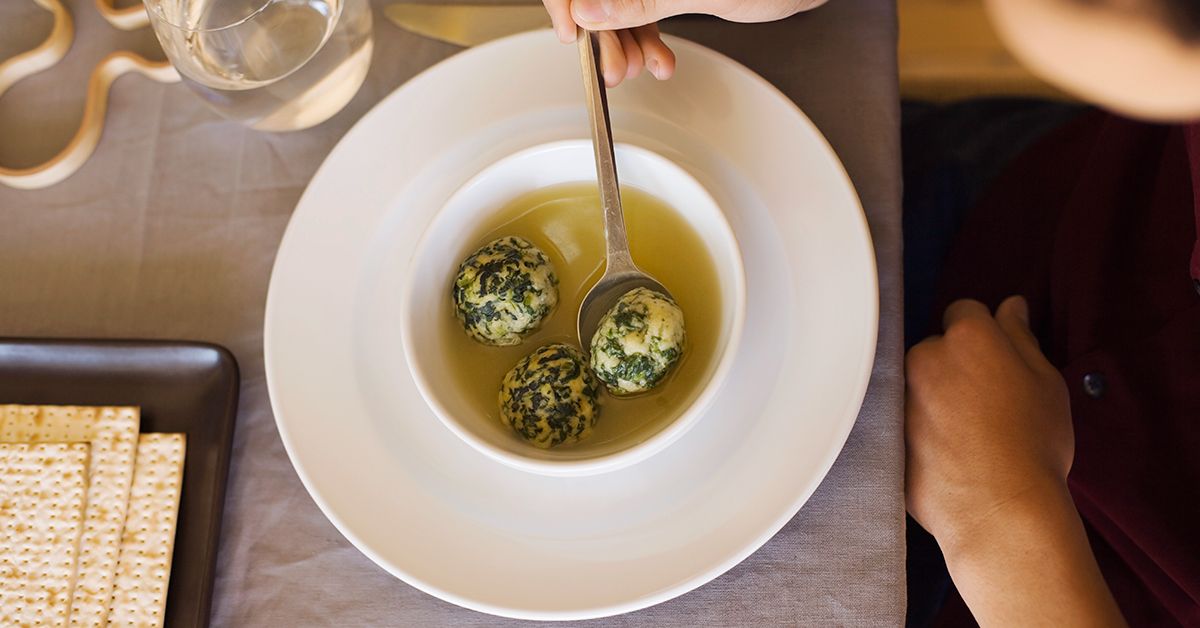
For appetizers, consider vegetable platters, deviled eggs, cucumber slices with smoked fish, or lettuce cups with chicken salad. For soup, a broth-based vegetable soup may be lighter than a large bowl of matzah ball soup, though one matzah ball can be worked into your carbohydrate plan. For dessert, fresh fruit, berries, small nut-based cookies, or a modest portion of flourless cake may be better choices than a dessert plate that looks like it came from a bakery with something to prove.
Before the Seder: Do Not Arrive Starving
One of the best strategies for managing diabetes during Passover is surprisingly simple: do not arrive at the Seder ravenous. If the meal will be late, ask your care team whether you should have a planned snack beforehand. A small snack with protein and carbohydrate may help prevent low blood sugar and reduce overeating later.
Good pre-Seder snack ideas may include Greek yogurt if dairy fits the meal timing and your observance, a hard-boiled egg with vegetables, a small apple with nut butter, or a measured portion of nuts with fruit. The right choice depends on your medication plan, blood sugar level, and traditions.
Blood Sugar Monitoring During Passover
Passover is not the time to guess wildly and hope for the best. If you use a glucose meter or continuous glucose monitor, check as recommended by your healthcare team. You may need to check before the Seder, before the meal, after eating, before bed, and during the night if alcohol, extra activity, unusual food, or insulin adjustments are involved.
Watch for signs of low blood sugar, including shakiness, sweating, confusion, irritability, hunger, dizziness, or a racing heartbeat. Also watch for high blood sugar symptoms, such as increased thirst, frequent urination, fatigue, blurry vision, or headache.
Keep Low Blood Sugar Treatment Nearby
If your blood sugar drops below 70 mg/dL, many diabetes organizations recommend treating with 15 grams of fast-acting carbohydrate, waiting 15 minutes, and checking again. Examples may include glucose tablets, glucose gel, regular soda, or juice. During Passover, make sure your treatment is accessible and acceptable for your needs. Do not bury it in a coat pocket three rooms away behind Uncle Marty’s folding chair.
If you are at risk for severe lows, make sure someone at the table knows where your glucagon is and how to use it. This is not dramatic. This is smart planning. Drama is when someone argues about whether the brisket is better this year.
Diabetes-Friendly Passover Meal Ideas
Here are examples of balanced Passover-friendly meals. Always adjust portions to your personal carbohydrate target.
Seder Plate-Style Dinner
Start with salad or roasted vegetables. Choose chicken, turkey, fish, or lean brisket for protein. Add a measured portion of matzah or potato kugel as your carbohydrate. Keep charoset to a small spoonful, and choose fruit or a small dessert portion after the meal if your blood sugar plan allows.
Light Passover Lunch
Try tuna or egg salad in lettuce cups, cucumber slices, roasted vegetables, and a small portion of matzah. Add avocado or olive oil-based dressing for healthy fat. This kind of meal is filling without relying entirely on starch.
Passover Breakfast
Consider eggs with spinach and mushrooms, cottage cheese if appropriate, smoked salmon with cucumber, or a small portion of matzah brei made with extra egg and vegetables. If you prefer fruit, pair it with protein rather than eating fruit alone.
Dessert Without the Blood Sugar Roller Coaster
Passover desserts can be sneaky. Because they avoid regular flour, they may seem lighter, but many are made with sugar, chocolate, coconut, nuts, potato starch, or matzah cake meal. A flourless chocolate cake is still cake. A macaroon is still dessert. A “small slice” can still carry a lot of carbohydrates and calories.
Choose the dessert you truly want, take a modest portion, and enjoy it slowly. Skip the desserts you eat only because they are there. Fresh berries, baked apples without heavy sugar, or a small nut-based cookie may satisfy the sweet craving with less glucose drama.
Movement Helps, Even During the Holiday
A gentle walk after a meal may help with digestion and blood sugar management. You do not need to announce, “I am now performing a postprandial glucose intervention.” Just invite someone for a stroll. Walking after the Seder can also be a lovely way to continue conversation away from the dessert table, which has a mysterious gravitational pull.
If you use insulin or medications that can cause lows, remember that activity may lower blood sugar. Carry fast-acting carbohydrate and check levels as recommended.
Emotional Eating, Family Pressure, and Holiday Grace
Food at Passover is not just food. It is memory, identity, family, survival, comfort, and tradition. That is why “just don’t eat it” is rarely helpful advice. A better approach is to decide what matters most to you. Maybe matzah is non-negotiable, but dessert is optional. Maybe wine matters, but potatoes do not. Maybe your grandmother’s soup is worth planning around, but store-bought macaroons are not.
Practice polite responses before the meal. Try: “It looks wonderful, but I’m pacing myself.” Or: “I’m saving room for the foods I planned for.” Or the classic: “My doctor and I have a plan.” Most people respect a plan, especially when delivered with confidence and a smile.
A Personal Experience: What Managing Diabetes During Passover Can Really Feel Like
The real challenge of managing diabetes during Passover is not only the food. It is the rhythm of the holiday. Everything feels different: the kitchen is different, the meals are later, the recipes are special, and everyone has strong opinions about how things “must” be done. Even people who are usually steady with diabetes can feel thrown off by the combination of tradition, hunger, and celebration.
A useful mindset is to treat Passover like a planned trip. When you travel, you pack medication, snacks, supplies, chargers, and backup plans. Passover deserves the same level of preparation. Before the first Seder, check that you have enough test strips, CGM supplies, insulin, pen needles, pump supplies, ketone strips if recommended, glucose tablets, and any medications you take. Keep supplies in a visible, easy-to-reach place. Do not assume you will “remember later,” because later you may be carrying soup bowls while someone asks where the extra chairs went.
One helpful experience many people discover is that the first year of careful Passover planning feels awkward, but the second year feels much easier. You learn which foods raise your blood sugar quickly. You learn whether matzah at night affects you differently than bread at lunch. You learn whether grape juice is worth it for you, or whether a different option works better. You learn that saying “no thank you” does not ruin the holiday. In fact, it may help you enjoy the holiday more because you are not spending the evening chasing highs and lows.
Another practical lesson is to create a “Seder plate plan” before sitting down. Decide which symbolic foods you will taste, which carbohydrate portions you will count, and which foods you will skip. For example, you might plan for required matzah, a small amount of charoset, vegetables, protein, and one dessert. That does not sound glamorous, but it gives you freedom. Once the plan is made, you can participate in the story, songs, discussion, and family moments instead of silently doing carbohydrate calculus every eight minutes.
It also helps to bring something you know works for you. A roasted vegetable dish, a salad with nuts, a protein-rich appetizer, or a lower-sugar dessert can make the table feel more welcoming. This is not about forcing everyone else to eat “diabetes food.” It is about making sure there is at least one dish you can enjoy confidently. Bonus: people often love the fresher, lighter dish because Passover meals can become heavy quickly.
Finally, remember that diabetes management is not a moral test. A high reading after Seder does not mean you failed Passover. It means you collected information. Use it. Write down what happened: timing, foods, portions, medication, activity, stress, sleep, and alcohol. Next year, that note may be more useful than any generic advice online. The goal is not perfection. The goal is a meaningful holiday, safer blood sugar, and enough energy to enjoy the people around your tableeven the one who keeps asking when the meal starts.
Conclusion: Celebrate Passover With Planning, Not Panic
Managing diabetes during Passover is absolutely possible. The key is preparation: count or estimate carbohydrates, plan for matzah and wine, avoid long gaps without food if they put you at risk, balance your plate, monitor blood sugar, and keep low blood sugar treatment nearby. Work with your healthcare team and rabbi when medical and religious needs overlap.
Most importantly, remember that Passover is about freedom. For people with diabetes, one kind of freedom is being able to participate fully without feeling controlled by the table. With a thoughtful plan, you can honor the tradition, enjoy the meal, and keep your blood sugar from staging its own dramatic Exodus.