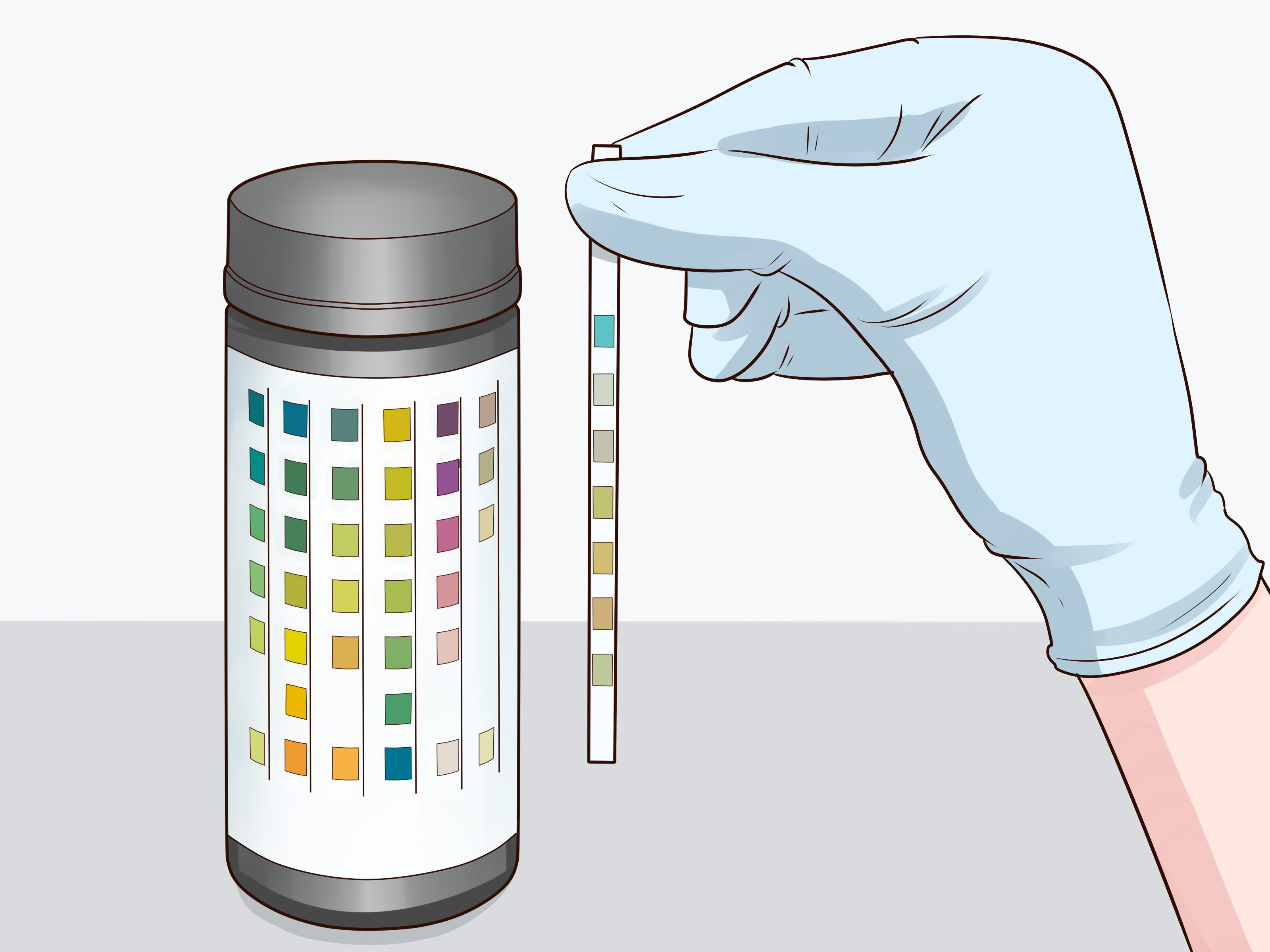
Urobilinogen sounds like the name of a tiny robot from a science-fiction movie, but it is actually a normal substance your body makes while processing bilirubin. In plain English: old red blood cells break down, the liver handles the bilirubin, bile carries it into the intestines, gut bacteria help convert it, and a small amount of urobilinogen shows up in urine. A little is expected. Too much, too little, or none at all can be a clue that the liver, bile ducts, gallbladder, or red blood cells need attention.
So when people search for how to lower urobilinogen levels, the real answer is not “drink a mysterious green potion and hope your liver applauds.” The safer, smarter goal is to find out why the level is abnormal, address the underlying cause, and support the body systems involved in bilirubin metabolism. Urobilinogen is not the villain; it is more like the check-engine light. You do not fix the car by painting over the dashboard.
This guide explains three practical ways to lower high urobilinogen levels naturally and medically, what abnormal urine urobilinogen may mean, when to call a doctor, and how to avoid common internet myths that could waste time or even make things worse.
Medical note: This article is for general education only. Abnormal urobilinogen results should be reviewed with a qualified healthcare professional, especially if they appear with jaundice, dark urine, pale stools, abdominal pain, fever, severe fatigue, or unexplained weight loss.
What Is Urobilinogen?
Urobilinogen is formed when bacteria in the intestines break down bilirubin, a yellowish substance produced during the normal breakdown of red blood cells. Most urobilinogen leaves the body through stool. Some is reabsorbed into the bloodstream, returned to the liver, recycled into bile, or filtered by the kidneys and released in urine.
Because urobilinogen sits at the crossroads of red blood cell turnover, liver function, bile flow, and gut activity, a urine urobilinogen test can provide useful clues. It cannot diagnose a condition by itself, but it can help guide the next steps. Think of it as one member of a detective team, not the entire police department.
Normal vs. High Urobilinogen in Urine
Reference ranges can vary by laboratory, but urine normally contains a small amount of urobilinogen. Higher-than-expected levels may be associated with liver inflammation, hepatitis, cirrhosis, medication-related liver stress, alcohol-related liver disease, or increased breakdown of red blood cells, such as hemolytic anemia. Low or absent urobilinogen can also be meaningful because it may suggest that bile is not reaching the intestines properly, sometimes due to bile duct obstruction.
This is why lowering urobilinogen levels is not a one-size-fits-all project. A person with liver inflammation needs a different plan from someone with hemolytic anemia, gallstones, or a medication reaction. The number is important, but the reason behind the number is the main story.
Common Causes of High Urobilinogen Levels
High urobilinogen in urine usually points toward one of two broad patterns: the liver is struggling to process and recycle urobilinogen properly, or the body is making more bilirubin than usual because red blood cells are breaking down too quickly.
Liver Conditions
Liver-related causes may include viral hepatitis, fatty liver disease, alcohol-associated liver disease, cirrhosis, liver inflammation, or injury from certain drugs or supplements. When liver cells are irritated or damaged, bilirubin handling can become less efficient, and more urobilinogen may appear in urine.
Hemolytic Anemia
Hemolytic anemia occurs when red blood cells are destroyed faster than the body can replace them. Because bilirubin is produced when red blood cells break down, increased destruction can create more bilirubin and, in turn, more urobilinogen. Symptoms may include fatigue, weakness, shortness of breath, pale skin, rapid heartbeat, or yellowing of the skin or eyes.
Bile Flow Problems
Bile duct problems do not always cause high urobilinogen. In some cases, low or absent urobilinogen may occur because bilirubin-rich bile cannot reach the intestines, where urobilinogen is normally formed. Gallstones, inflammation, narrowing of ducts, or tumors can affect bile movement. Warning signs may include pale or clay-colored stool, dark urine, itching, abdominal pain, and jaundice.
Way 1: Confirm the Result and Find the Cause
The first and most important way to lower urobilinogen levels is to stop guessing. A single abnormal urinalysis does not tell the full story. Urine tests can be affected by sample timing, hydration, storage conditions, medications, and lab methods. Before changing your diet, buying supplements, or announcing that your liver has entered its “dramatic era,” confirm the result with a healthcare provider.
Ask About Follow-Up Testing
A clinician may recommend repeating the urinalysis and checking related markers, such as bilirubin, alanine aminotransferase, aspartate aminotransferase, alkaline phosphatase, gamma-glutamyl transferase, complete blood count, reticulocyte count, lactate dehydrogenase, haptoglobin, hepatitis screening, or imaging of the liver and gallbladder. The exact tests depend on symptoms, medical history, medications, and the pattern of abnormal results.
For example, high urobilinogen plus elevated liver enzymes may point toward liver irritation. High urobilinogen plus anemia markers may raise suspicion for hemolysis. Abnormal bilirubin plus pale stool may push the evaluation toward bile flow. The treatment path becomes clearer when the lab puzzle pieces are placed together.
Review Medications and Supplements
Some medications, herbal products, high-dose supplements, and recreational substances can stress the liver or affect blood cells. Never stop a prescribed medication without medical guidance, but do bring a full list to your appointment. Include over-the-counter pain relievers, bodybuilding products, “detox” teas, traditional remedies, and anything ordered online after midnight while feeling overly confident.
This step matters because lowering urobilinogen may require adjusting a medication, treating hepatitis, managing anemia, or investigating gallbladder and bile duct health. The correct fix depends on the correct cause.
Way 2: Support Liver Health With Sustainable Lifestyle Changes
If high urobilinogen is linked to liver stress, lifestyle changes can be powerful, especially when the issue involves fatty liver disease, alcohol use, metabolic health, or early inflammation. The liver is a hardworking organ. It processes nutrients, filters blood, makes bile, stores energy, and handles many chemicals. It does not need a celebrity detox. It needs fewer avoidable burdens and more steady support.
Reduce or Avoid Alcohol
Alcohol can damage liver cells, increase inflammation, and worsen existing liver problems. If your urobilinogen level is high and liver markers are abnormal, reducing alcohol or avoiding it entirely may be one of the most important steps. People with cirrhosis, hepatitis, alcohol-associated liver disease, or significant liver enzyme elevation should follow medical advice about abstinence.
Even if alcohol is not the main cause, drinking less gives the liver fewer fires to put out. The liver is impressive, but it is not a nightclub bouncer with unlimited patience.
Choose a Liver-Friendly Eating Pattern
A liver-supportive diet does not require rare berries from a mountain guarded by goats. It usually looks practical: vegetables, fruits, whole grains, beans, lentils, nuts, seeds, fish, lean proteins, and healthy fats. Limiting sugary drinks, refined carbohydrates, heavily processed foods, and excess saturated fat can support metabolic health and may help reduce liver fat in people with fatty liver disease.
A simple plate method works well: fill half the plate with non-starchy vegetables, one quarter with protein, and one quarter with whole grains or starchy vegetables. Add water, unsweetened tea, or other low-sugar drinks. This is not flashy, but neither is changing your oil on timeand cars appreciate that too.
Maintain a Healthy Weight Gradually
For people with overweight, obesity, insulin resistance, or fatty liver disease, gradual weight loss can reduce liver fat and inflammation. Crash diets are not the goal. Rapid, extreme dieting can backfire, increase stress, and create new problems. A steady approach with moderate calorie reduction, regular meals, and professional guidance is safer and more sustainable.
The goal is not to punish the body. The goal is to improve liver workload, blood sugar control, cholesterol levels, and overall inflammation. Lower urobilinogen levels may follow when the liver becomes healthier and the underlying stress improves.
Exercise Consistently
Regular physical activity helps improve insulin sensitivity, reduce liver fat, support circulation, and improve energy. Brisk walking, cycling, swimming, dancing, resistance training, and sports can all help. The best exercise is the one you can repeat without secretly resenting it.
Start where you are. A person who has been inactive might begin with ten-minute walks after meals. Someone already active might add strength training two or three times a week. Consistency beats perfection. Your liver does not need you to become an Olympic athlete; it appreciates showing up regularly.
Way 3: Treat the Underlying Medical Condition
Lifestyle helps, but some causes of abnormal urobilinogen need medical treatment. If the cause is hepatitis, hemolytic anemia, gallstones, bile duct obstruction, autoimmune disease, or medication-related injury, the level may not improve until that condition is treated directly.
If the Cause Is Hepatitis or Liver Inflammation
Viral hepatitis, autoimmune hepatitis, fatty liver disease, and alcohol-associated liver disease require different care plans. Treatment may involve antiviral medication, immune-modifying therapy, alcohol cessation support, weight management, diabetes control, cholesterol management, or monitoring for complications. The right plan depends on the diagnosis.
Do not rely on “liver cleanse” products to treat hepatitis or inflamed liver tissue. Many detox products are unproven, and some can harm the liver. The liver already performs detoxification. What it needs is evidence-based care, not a suspicious powder with a label designed by someone who really likes lightning bolts.
If the Cause Is Hemolytic Anemia
If red blood cells are breaking down too quickly, lowering urobilinogen means addressing the reason for hemolysis. Causes can include inherited conditions, autoimmune reactions, infections, medication reactions, or enzyme deficiencies such as G6PD deficiency. Treatment may involve removing a trigger, treating an infection, using medication to calm immune activity, managing an inherited condition, or providing supportive care.
This is not a situation to handle with diet alone. Nutrition can support overall health, but hemolytic anemia needs a proper diagnosis and medical management. Seek urgent care if symptoms include severe weakness, shortness of breath, chest pain, fainting, rapid heartbeat, or yellowing of the skin or eyes.
If the Cause Is a Bile Duct or Gallbladder Problem
Bile duct obstruction or gallbladder disease may need imaging, medication, procedures, or surgery depending on the cause. Clues can include right upper abdominal pain, fever, nausea, jaundice, dark urine, pale stools, or itching. These symptoms deserve prompt medical evaluation because blocked bile flow can lead to infection or serious complications.
In this situation, trying to “lower urobilinogen” misses the point. The real goal is restoring healthy bile flow and treating whatever is blocking or irritating the system.
Foods and Habits That May Help Normalize Urobilinogen
No food directly “turns off” urobilinogen production. However, daily habits can support the liver, gut, and blood health systems involved in bilirubin metabolism.
Helpful Choices
- Drink enough water so urine is not consistently dark from dehydration.
- Eat fiber-rich foods such as vegetables, beans, oats, fruit, and whole grains.
- Choose lean proteins such as fish, poultry, tofu, legumes, eggs, or low-fat dairy when appropriate.
- Limit sugary drinks, deep-fried foods, and ultra-processed snacks.
- Use alcohol cautiously or avoid it if liver markers are abnormal.
- Sleep consistently, because poor sleep can worsen metabolic health.
- Follow medical advice for diabetes, cholesterol, hepatitis, anemia, or gallbladder conditions.
Habits to Avoid
- Do not start a liver detox cleanse without medical guidance.
- Do not ignore yellow eyes, dark urine, pale stool, or abdominal pain.
- Do not assume high urobilinogen is always from dehydration.
- Do not stop prescribed medication suddenly without asking your clinician.
- Do not use supplements marketed as “liver repair” without checking safety and interactions.
When to See a Doctor
Make an appointment if your urinalysis shows high urobilinogen, especially if the result repeats or appears with abnormal bilirubin or liver enzymes. Seek prompt medical care if you notice jaundice, dark brown urine, pale or clay-colored stools, persistent itching, swelling in the belly or legs, fever, severe fatigue, unexplained bruising, confusion, or right upper abdominal pain.
These symptoms do not automatically mean something severe is happening, but they are important enough to check. The earlier the cause is found, the better the chance of preventing complications.
Myths About Lowering Urobilinogen Levels
Myth 1: “High Urobilinogen Means You Definitely Have Liver Failure”
Not necessarily. High levels can be linked to liver problems, but they can also appear with hemolytic anemia or other conditions. A urine result is a clue, not a final diagnosis.
Myth 2: “A Detox Tea Can Fix It”
Detox teas are not proven treatments for abnormal urobilinogen. Some contain laxatives, stimulants, or herbs that may irritate the liver or interact with medications. If your liver is already stressed, adding mystery ingredients is not a heroic plot twist.
Myth 3: “If I Feel Fine, I Can Ignore It”
Some liver and blood conditions can be mild or quiet early on. Feeling normal is good, but repeated abnormal results still deserve follow-up. Silent problems are easier to manage before they become loud problems.
Practical Experiences and Real-Life Lessons
Many people first notice urobilinogen because it appears on a routine urinalysis, often during an annual checkup, school physical, insurance exam, or visit for something completely unrelated. The result can feel alarming because the word is unfamiliar. Nobody wakes up excited to discuss urobilinogen over breakfast. But in everyday practice, the most helpful reaction is calm curiosity: confirm the result, compare it with other labs, and look for symptoms.
A common experience is the “healthy but surprised” patient. This person feels fine, exercises sometimes, eats decently, and then sees an abnormal urobilinogen flag on a lab report. The next step is usually not panic. It may be a repeat urine test and basic blood work. Sometimes the repeat is normal. Sometimes liver enzymes reveal mild fatty liver changes. Sometimes the result leads to a conversation about alcohol, weight, blood sugar, or medications. In that case, the urobilinogen result becomes useful because it encourages earlier action.
Another common scenario involves symptoms that people almost explain away. Dark urine may be blamed on not drinking enough water. Tiredness may be blamed on work, school, or life being life. Mild nausea may be blamed on lunch making poor decisions. But when dark urine appears with yellowing eyes, pale stool, itching, or abdominal pain, the pattern matters. People who seek care sooner often get clearer answers faster, whether the issue is hepatitis, gallbladder trouble, or another liver-related condition.
Some people also discover elevated urobilinogen while dealing with anemia symptoms. They may feel unusually tired, short of breath during normal activities, dizzy, or aware of a racing heartbeat. In these cases, the urine marker is only part of the picture. Blood tests can show whether red blood cells are being destroyed too quickly. When hemolysis is the driver, liver-friendly eating alone will not fix the problem. The key lesson is that “natural support” and medical diagnosis should work together, not compete like rival reality-show contestants.
The most successful long-term experiences usually come from people who treat the result as feedback instead of a verdict. They keep follow-up appointments, bring medication and supplement lists, reduce alcohol if advised, improve meals gradually, move more consistently, and monitor related lab values. They do not chase one urine number obsessively. They focus on the bigger health picture: liver enzymes, bilirubin, blood counts, symptoms, imaging if needed, and how they actually feel.
The practical takeaway is simple: lowering urobilinogen levels is less about forcing a lab value down and more about helping the body correct what made it rise. When the liver is supported, bile flow is evaluated, blood disorders are treated, and risky habits are reduced, urobilinogen often moves in the right direction naturally. It is not glamorous, but good medicine rarely needs fireworks.
Conclusion
The three best ways to lower urobilinogen levels are to confirm the abnormal result and identify the cause, support liver health with sustainable lifestyle changes, and treat any underlying medical condition. High urobilinogen in urine may be connected to liver disease, hepatitis, fatty liver, alcohol-related liver damage, hemolytic anemia, or other causes. Low or absent urobilinogen can also matter, especially when bile flow is blocked.
The most important message is this: do not treat urobilinogen like an enemy. Treat it like a clue. Work with a healthcare professional, review related labs, avoid risky detox products, and focus on the real cause. Your liver, blood cells, gallbladder, and future self will appreciate the teamwork.