Note: This guide is for general watch-care education only. A replica watch may imitate the look of a famous luxury brand, but it is not an authentic Rolex, and buying or selling counterfeit goods can raise legal and ethical issues. If you own a look-alike watch already, the practical goal here is simple: set the time gently, avoid damaging the crown or movement, and do not pretend the watch is genuine. Your wrist can be stylish without your conscience needing a service appointment.
Introduction: Tiny Crown, Big Responsibility
Adjusting the time on a Rolex replica sounds easy until you meet the crownthat little knob on the side of the case that controls winding, time-setting, and often the date. Treat it like a light switch and you may be fine. Treat it like a stubborn pickle jar and you may end up with a loose stem, a stripped thread, or a watchmaker giving you the look normally reserved for people who microwave metal.
Most Rolex-style replica watches copy the outside design of real Oyster-style watches, including a screw-down crown, date window, rotating bezel, or automatic-looking movement. But the inside may be very different. Some replicas use inexpensive automatic mechanical movements. Others use quartz movements with a ticking seconds hand. Some have a “ghost date” crown position even when the dial has no date. Because quality varies wildly, the safest rule is this: move slowly, never force the crown, and stop immediately if something feels gritty, jammed, or loose.
This article explains how to adjust the time on a Rolex replica in eight practical steps. It also covers date-setting, AM/PM alignment, common mistakes, and real-world experience tips that can save your watch from becoming a shiny bracelet that only tells the time twice a day.
Before You Start: Know What Kind of Replica Watch You Have
Before touching the crown, identify the basic movement type. A quartz watch usually runs on a battery and often has a seconds hand that jumps once per second. An automatic mechanical watch is powered by wrist motion and usually has a smoother sweeping seconds hand, although low-cost automatics may still look a bit choppy. A hand-wound mechanical watch must be wound manually.
Rolex-style watches often have a crown with several positions. The fully screwed-down or pushed-in position is the normal wearing position. The first pulled position may set the date. The second pulled position usually sets the time. On some automatic watches, unscrewing the crown without pulling it out allows manual winding. On some quartz replicas, the first click may do nothing. This is normal in the strange and occasionally theatrical world of replica watchmaking.
How to Adjust the Time on a Rolex Replica: 8 Steps
Step 1: Work in a Clean, Dry Place
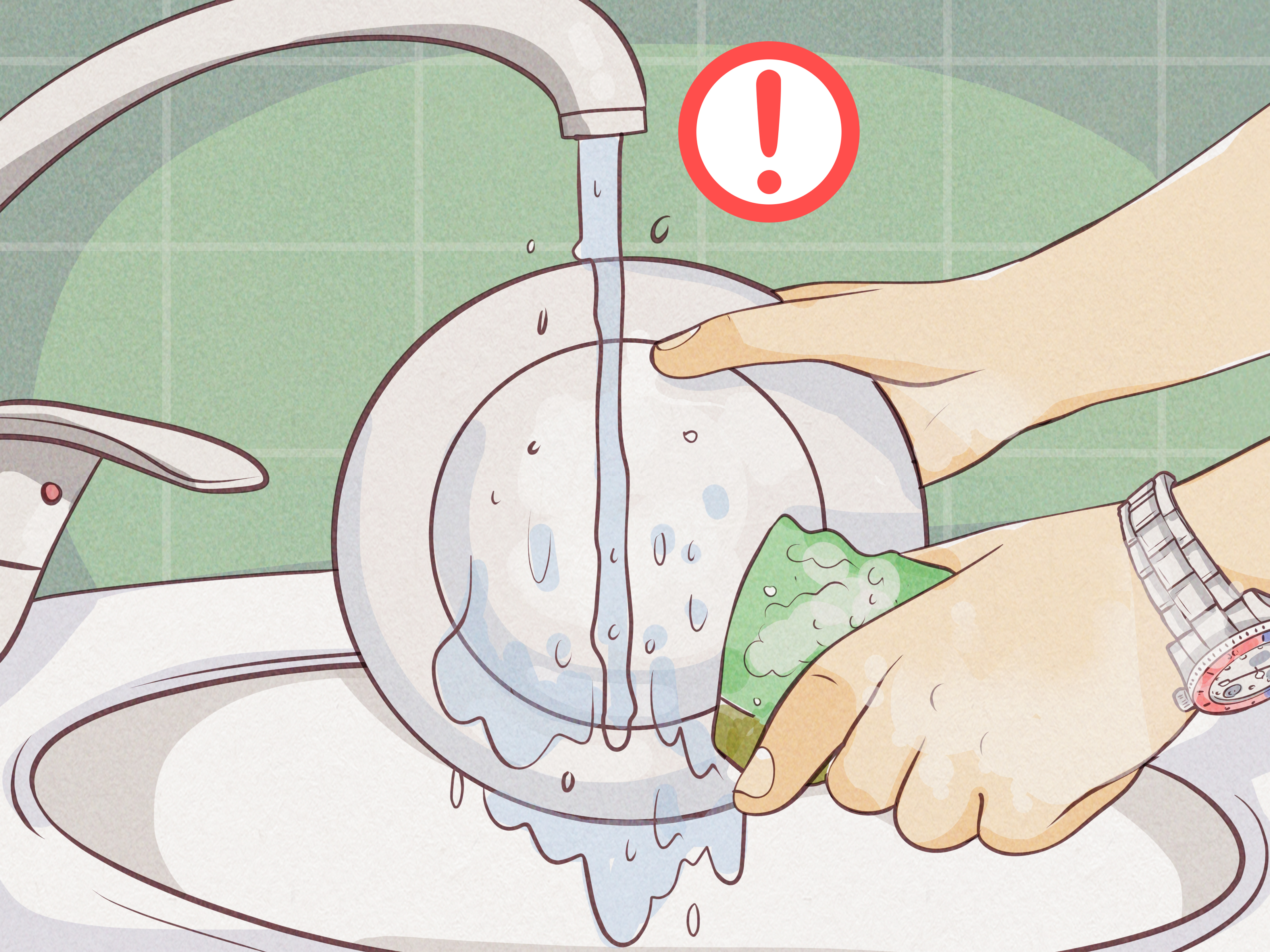
Set the watch on a soft cloth, microfiber towel, or clean desk pad. This protects the bracelet and case from scratches while you handle the crown. Keep the watch away from water while the crown is open. Even if the dial says “water resistant,” a replica watch may not have reliable gaskets, pressure testing, or proper sealing.
If your hands are wet, dry them first. If the watch has been in water recently, let it dry before making adjustments. Operating the crown while moisture is near the case is a classic way to invite condensation into the watch. Condensation inside a watch is like a raccoon in an attic: once it gets in, it rarely improves the situation.
Step 2: Locate the Crown and Check Whether It Screws Down
The crown is the small knob at the 3 o’clock side of the case. Many Rolex-style replicas copy the screw-down crown design. To test it, gently turn the crown counterclockwise. If it begins to unscrew and then pops slightly outward, it is a screw-down crown. If it does not unscrew and simply turns or pulls outward, it may be a push-pull crown.
Never yank the crown. Use your fingertips and light pressure. If the crown does not move, stop. Forcing it can bend or break the stem. With lower-quality replicas, the crown tube and threads can be fragile, so patience is not just a virtueit is a repair bill prevention strategy.
Step 3: Unscrew the Crown Gently
If your replica has a screw-down crown, rotate it counterclockwise until it releases. You may feel it pop into the winding position. This is usually the first usable position after the crown is unlocked. Do not keep turning aggressively after it releases. You are not drilling for oil.
Once the crown is unscrewed, avoid pulling it hard. Instead, feel for distinct clicks. Most watches have one or two clicks beyond the winding position. If you are unsure, move slowly and listen for the small mechanical change as the crown reaches each position.
Step 4: Wind the Watch if It Is Mechanical
If the watch is automatic or hand-wound mechanical, wind it before setting the time. With the crown unscrewed but not pulled out, turn it clockwise about 20 to 30 gentle turns. This gives the mainspring enough energy to run while you adjust the hands.
If the watch is quartz, winding will not help because the battery powers the movement. In that case, skip winding and move to the time-setting position. If the seconds hand is stopped and the watch does not restart after setting, the battery may be dead.
Step 5: Pull the Crown to the Time-Setting Position
Pull the crown out carefully to the farthest click. This is usually the time-setting position. On many mechanical watches, the seconds hand stops when the crown reaches this position. This feature is called hacking, and it allows more precise setting. Some replicas have it; some do not. If yours does not hack, do not panic. The watch is simply choosing a more relaxed relationship with punctuality.
Once the crown is in the time-setting position, turn it slowly to move the hour and minute hands. If the hands do not move, the crown may not be pulled out far enough. If the crown feels loose or spins without moving anything, the stem may be disconnected or damaged.
Step 6: Set the Correct AM or PM
If your replica has a date window, AM/PM alignment matters. Move the hands forward until the date changes. When the date flips, the watch has passed midnight. From there, continue turning the hands forward to set the correct morning or afternoon time.
For example, if it is 7:30 PM, advance the hands past the midnight date change, then past 12 noon, and finally to 7:30. This prevents the date from changing at noon the next day. A watch that changes date during lunch is not broken, exactlyit is just living in the wrong half of the day.
Step 7: Adjust the Date Carefully, If Needed
If your watch has a quickset date, push the crown in one click from the time-setting position or pull it to the first click from the normal position. Turn the crown slowly until the correct date appears. Direction varies by movement, so do not force it if the date does not move one way. Try the other direction gently.
Avoid quick-setting the date when the watch hands show roughly 8 PM to 2 AM. Many mechanical date mechanisms begin engaging during these hours. Changing the date while the gears are already working can damage the date wheel or cause poor date change performance. A safe trick is to first move the hands to 6:30, set the date, then return to the correct time.
Step 8: Push the Crown Back and Screw It Down
After setting the time, push the crown back to the normal position. If it is a screw-down crown, press lightly inward and turn clockwise until it threads into place. Start gently to avoid cross-threading. If it feels crooked, gritty, or stuck after less than one turn, back it out and try again.
Do not overtighten. The crown should be snug, not welded to the case by sheer determination. A properly closed crown helps protect the watch from dust and moisture, but on replicas, water resistance should never be assumed. Even if the watch says “100m,” treat it like “100m away from the swimming pool.”
Common Mistakes to Avoid
Forcing the Crown
The most expensive mistake is also the most common: forcing the crown when it refuses to move. Crowns, stems, and keyless works are small components. If something feels wrong, stop and consult a watch repair professional.
Setting the Date at the Wrong Time
Quick-setting the date during the danger window can harm mechanical date systems. Not every movement is equally sensitive, but the safe habit costs nothing. Move the hands to the lower half of the dial before adjusting the date.
Forgetting to Secure the Crown
An open crown invites dust and moisture. Always push or screw the crown back in after setting. This matters even more on a replica because the sealing quality may be uncertain.
Assuming It Works Like a Real Rolex
Authentic Rolex watches are engineered with precise movements and model-specific setting procedures. A replica may look similar but use a completely different movement. Follow general mechanical-watch care, not brand assumptions.
Troubleshooting: What If the Watch Still Shows the Wrong Time?
If the watch runs fast or slow after setting, observe it for 24 hours. Mechanical watches can vary based on movement quality, position, magnetism, and power reserve. A low-cost automatic movement may gain or lose more time than a certified luxury watch. That is not surprising; it is the horological version of expecting a go-kart to behave like a Formula 1 car.
If the watch stops after a few minutes, wind it again or wear it for several hours if it is automatic. If it is quartz, replace the battery. If the hands slip, the crown feels disconnected, or the date jams, the movement likely needs repair.
Care Tips After Adjusting the Time
Store the watch in a dry place. Keep it away from strong magnets, speakers, and magnetic clasps, which can affect mechanical timekeeping. Clean the case and bracelet with a soft cloth. Avoid hot showers, swimming, and steam rooms. Heat and moisture can weaken gaskets and fog the crystal.
If you wear the watch daily, check the time every few days. If it is automatic and you rotate watches, you may need to reset it whenever it runs down. A watch winder can help some automatic watches, but for a low-cost replica, manual winding and occasional wear are usually enough.
Experience Notes: Real-World Lessons From Setting Rolex-Style Replicas
After handling many Rolex-style watches, one lesson becomes obvious: the crown tells you a lot about the watch. A good crown feels smooth, deliberate, and predictable. A poor crown feels sandy, loose, or vague. When adjusting the time on a Rolex replica, the first experience tip is to trust your fingertips. If the crown feels like it is chewing gravel, stop. A tiny mechanical problem can become a large mechanical problem very quickly.
Another practical lesson is that replica watches often have inconsistent crown positions. Two watches that look almost identical on the outside may behave differently inside. One may have a reliable automatic movement with hacking seconds and a smooth quickset date. Another may have a quartz movement hidden behind an automatic-style case. A third may include a decorative date window that changes reluctantly, as though it has unionized. Because of this, never assume the direction for date-setting. Turn gently and observe what happens.
The best habit is to set the watch in a calm sequence. First, unlock the crown. Second, wind if mechanical. Third, move the hands to a safe time such as 6:30. Fourth, set the date to the day before. Fifth, advance the hands until the date changes at midnight, then continue to the correct time. This method prevents AM/PM confusion and reduces stress on the date mechanism.
A common beginner mistake is setting the date first, then spinning the hands backward and forward repeatedly to find the correct time. Some movements tolerate backward time-setting, but cheap mechanical movements may not love it. Moving forward is usually safer, especially around midnight. If you overshoot the time by a few minutes, go around again or carefully reverse only a small amount if the movement allows it.
Another experience-based tip: do not set the time while walking, driving, standing in a crowded airport line, or pretending you are in a spy movie. Sit down. Use good light. Hold the case firmly without pulling the bracelet. Crowns are small, and dropped watches have a way of finding tile floors with tragic accuracy.
Finally, remember the identity issue. A replica may be fun as a fashion piece, but it should not be represented as authentic. If someone compliments it, a simple “Thanks, it is a homage-style watch” is better than launching into a courtroom drama. Watch enthusiasm is more enjoyable when it is honest. The real flex is not fooling people; it is knowing how your watch works and taking care of it properly.
Conclusion
Adjusting the time on a Rolex replica is not complicated, but it rewards patience. Work in a dry place, handle the crown gently, wind the movement if needed, set AM/PM correctly, avoid quick-setting the date during risky hours, and secure the crown when finished. Because replica watches vary widely in quality and movement type, your best tools are caution, observation, and a refusal to force anything.
A watch is a tiny machine with a big personality. Treat it kindly, and it may keep decent time. Treat it roughly, and it may retire early to the drawer of forgotten accessories, right beside old phone chargers and sunglasses with one heroic surviving lens.